How BNP faced with the AIDS pandemic

In the 1980s, the world was faced with the emergence of a devastating and incurable disease: AIDS. As fear spread, it became clear that understanding the disease was crucial. Even at the peak of the pandemic, the BNP Paribas Group remained fully engaged in the fight against AIDS.
The Onset of the Pandemic
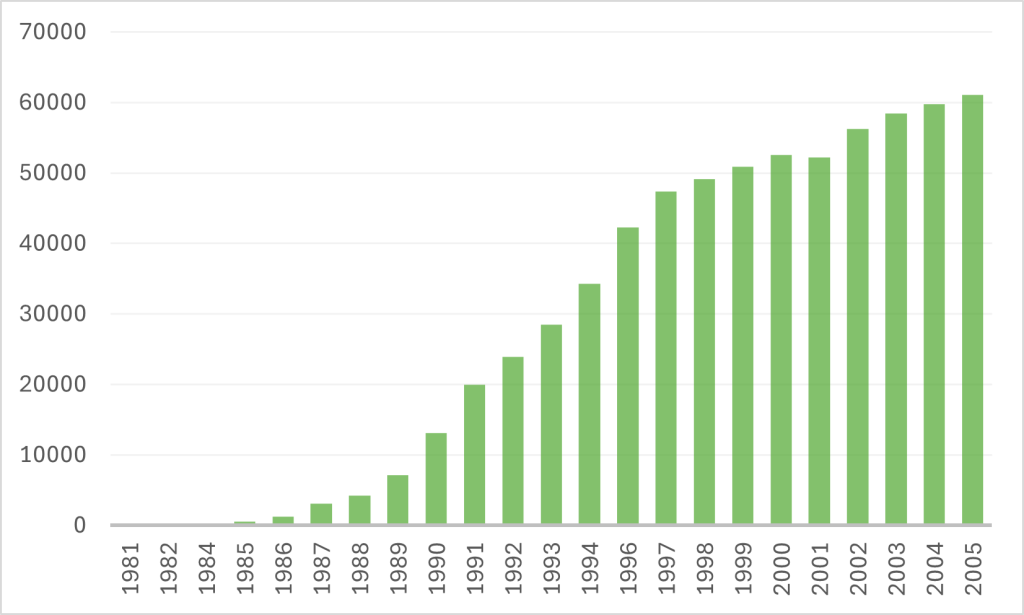
In late 1981, a disease struck the gay community in the United States. Very quickly, AIDS spread to Europe and then to the rest of the world, also affecting heterosexuals.
The disease, still poorly understood, was often associated with numerous prejudices and stereotypes that heavily weighed on the lives of people living with HIV. The disease affected all segments of society, including employees of the banks that were the ancestors of the BNP Paribas group, whose archives bear witness to the management of this health crisis.
Did you know?
Being HIV-positive, or seropositive, means that an individual is infected with the Human Immunodeficiency Virus (HIV). During this initial phase, the person may not exhibit any symptoms. However, if left untreated, the virus can progress over several years to AIDS (Acquired Immune Deficiency Syndrome), a condition in which the body’s immune system is severely weakened, leaving the person vulnerable to opportunistic infections and ultimately leading to death.
Working at BNP with HIV in the 1980s

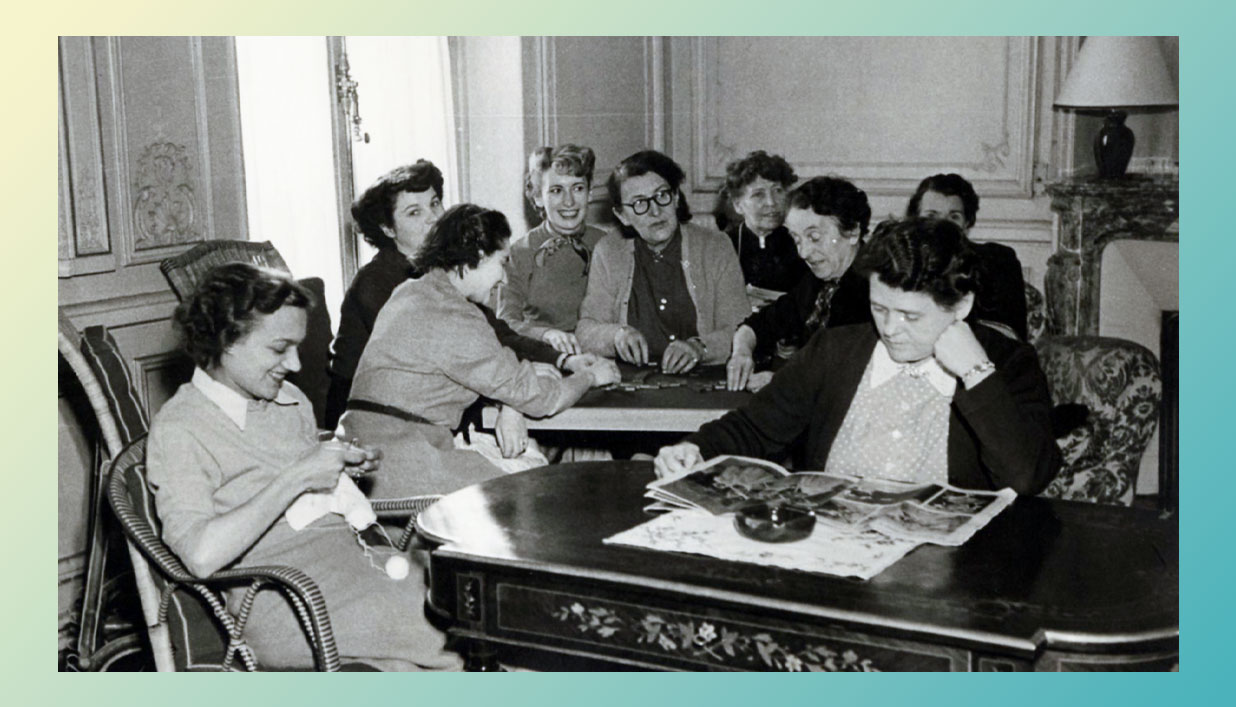
Colette’s journal entry notes the passing of a BNP Paribas employee who was ill, which was viewed as a singular incident at the time. Nevertheless, other BNP Paribas staff members were facing the same struggles within the organization, leading the company’s management to respond. Education and awareness were essential, as much of the hostility towards people living with HIV stemmed from a lack of knowledge about the condition.
BNP, a pioneer in corporate awareness
As early as 1985, the BNP’s occupational health department launched a staff awareness campaign. And in 1992, at the initiative of two employees living with HIV, it launched a more extensive campaign called “Facing AIDS”. Conferences and debates were organized, during which the two employees shared their personal testimonies. Alongside doctors and social workers, and with the logistical support of the medical teams and establishment committees, Alain Prod’homme and Michel Deniset dedicated their final years to breaking down taboos by delivering a human and personalized message that helped to demystify the disease.
Over the course of a year, Alain Prod’homme and Michel Deniset traveled extensively throughout France, meeting with colleagues in cities such as Paris, Marseille, Dunkerque, and Lyon, as part of the “Facing AIDS” campaign launched in 1992. The events drew nearly 10% of BNP’s workforce, and the atmosphere was consistently respectful and enriching. The campaign was a huge success! This groundbreaking initiative, endorsed by the French Association for the Fight against AIDS (AFLS), earned BNP the prestigious European Health Club Award in 1992.
Alain Prod’homme’s testimony

“I speak out for those who have lost their lives, and for those who will soon follow. Hundreds of people have died from AIDS, alone and misunderstood. That’s what I’m fighting against. I want to normalize the disease, explain that we’re not outcasts, and dispel the myths that BNP employees have about those who are living with HIV. It’s crucial that people understand that you can’t get infected by casual contact with someone who has AIDS. […] The disease is now a reality that can affect anyone, regardless of their position or status. We need to confront it directly and learn to overcome our fear.”
Alain Prod’homme (Dialogue, n°90, 1992 – BNP Paribas’ Historical Archives – PER2199206EL)
Michel Deniset passed away in 1993. His friend Alain Prod’homme continued their fight within the Group until his own passing in 1996.
BNP Paribas, patron of AIDS research
In 1989, BNP created a special fund within the Foundation for Medical Research to promote medical research. By 1991, the fund had grown to 1.2 million French francs, which was used to support the Pasteur Institute and the Garches Foundation for the Disabled. However, the majority of the funds (850,000 French francs) were allocated to provide scholarships to researchers working to combat AIDS, cancer, and mental disabilities. In a decade, BNP has thus financed 70 research programs, with a total investment of 7 million francs.
On its part, Paribas was also working to combat AIDS, notably through its support for the company Transgène. In June 1985, just a few months after the Pasteur Institute’s discovery of the HIV genome, Transgène entered into a research agreement with Pasteur Vaccin. Transgène was then seen as a symbol of hope for French research into a cure for AIDS.
Later in 2004, BNP Paribas reaffirmed its dedication to combating AIDS, especially in Africa as a member of the Sida-Entreprises association, focusing on enhancing access to healthcare services.
Last, in 2024, BNP Paribas Cardif simplified its eligibility criteria for creditor insurance for people living with HIV.


Did you enjoy this story ?
This selection of articles might also interest you!