Banking architecture
Witness to the History of the Group, the banking architecture symbolizes the meeting between the past and the future.
Heritage of our ancestor banks or result of rehabilitations, the buildings evolve where the needs of the professions it houses.
From workspaces to reception areas, explore our content for a tour of our most remarkable sites.
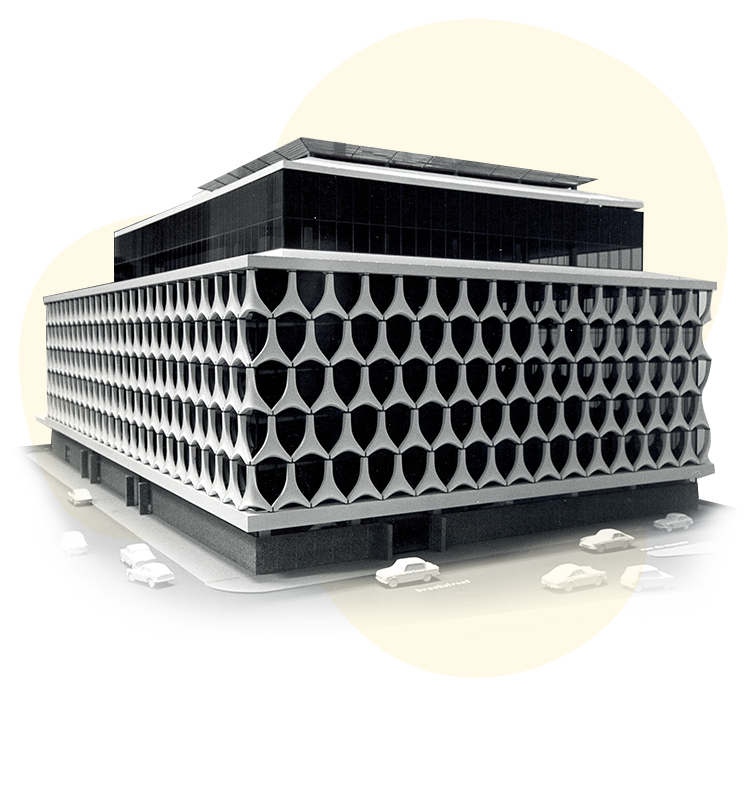
The landmark buildings
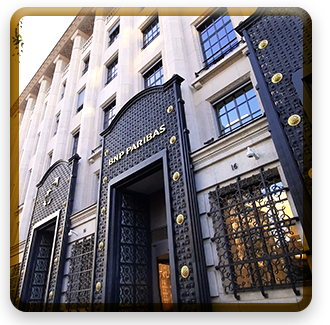
Located at the heart of the business districts of major cities, the headquarters and other branches highlight the dynamism and modernity of the Bank.
Architects renovate spaces into modern and functional working and reception areas, and the renovations combine technical progress and respect for the history of these buildings.
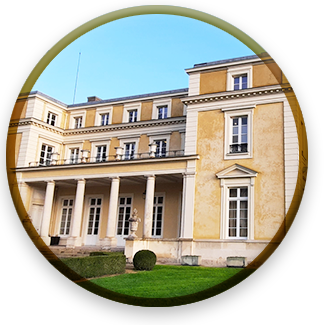
The Louveciennes Campus
Acquired after World War II by the BNCI, the Voisins castle estate is a place of exchanges and sharing.
The architecture of bank branches
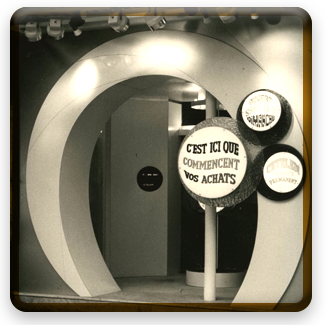
The agencies of the ancestor banks of the Group, inherited from mergers and consolidations, offer a unique perspective on the evolution of the facades.
Some buildings also bear witness to the architectural styles of their region. Others express the innovative will of a concept, like this Cetelem agency (forerunner of Personal Finance) in 1972 (BNP Paribas Historical Archives, 11Fi93).
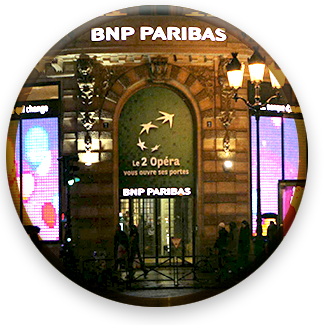
2 Opéra: A bank at the heart of Paris and its history
A landmark address in the Parisian landscape, 2 Opéra is now the Opéra Center of BNP Paribas Wealth Management. It welcomes clients seeking high-value services in a space that blends architectural heritage with contemporary excellence.
The interiors
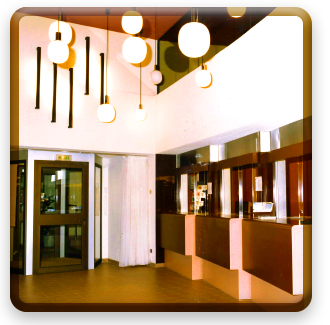
Reflecting its time, the counter is a place of welcome and advice that, sometimes protected by a bulletproof glass panel, sometimes completely open, must combine conviviality and security.
The interiors of the branches reflect the expression of new uses, notably technological. The furniture evolves and reflects the trends in banking architecture.
The very “pop” style of the architecture of the 1960s-1970s
The spaces open onto convivial stage sets in pastel colors. Banking architecture enters pop culture.