The Golden Age of bank heists
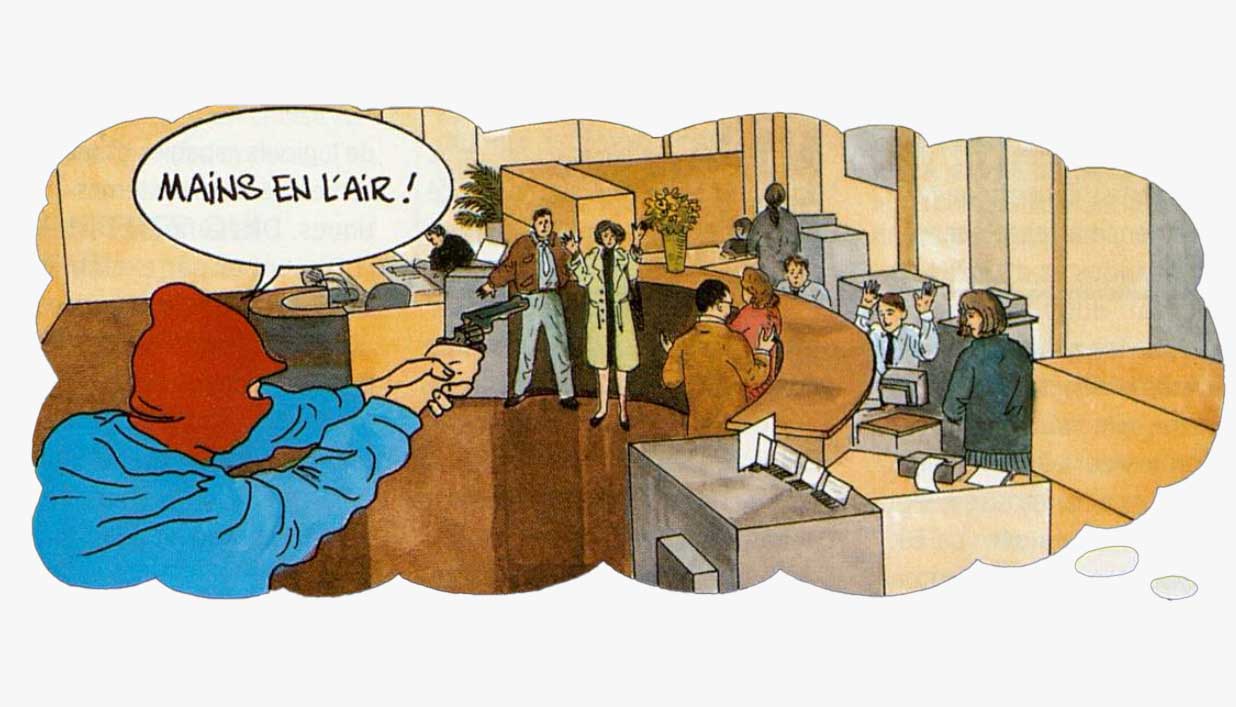
From 1970 to the mid-1990s, France experienced a spectacular increase in bank heists. While the fashion of heists had a certain romantic aesthetic that marked this era, the act itself remained violent. BNP, the first French bank, found itself at the forefront of this phenomenon.
The 1970s: A Paradise for Gangsters
Sudden, violent, and motorized: the first modern bank heist took place on December 21, 1911. For several decades, bank heists remained rare, especially since a 1950 law punished armed robberies with the death penalty. However, in the early 1970s, gangsters went on a rampage!
It was a full-blown social phenomenon. Almost every day, a daring heist made the headlines. Heist movies also became box office hits.
It’s worth noting that bank branches were sprouting up all over France. From 1968 to 1973, approximately three branches opened every day, often in poorly secured locations. For example, BNP only offered an alarm and retractable cash registers for its most valuable locations.
Heists also became more violent, often involving shootouts or hostage-taking. Tragedies multiplied, sometimes due to the resistance of employees, who were equipped with service revolvers at the time. The bank even encouraged their zeal by publicly rewarding heroes with a bravery bonus.
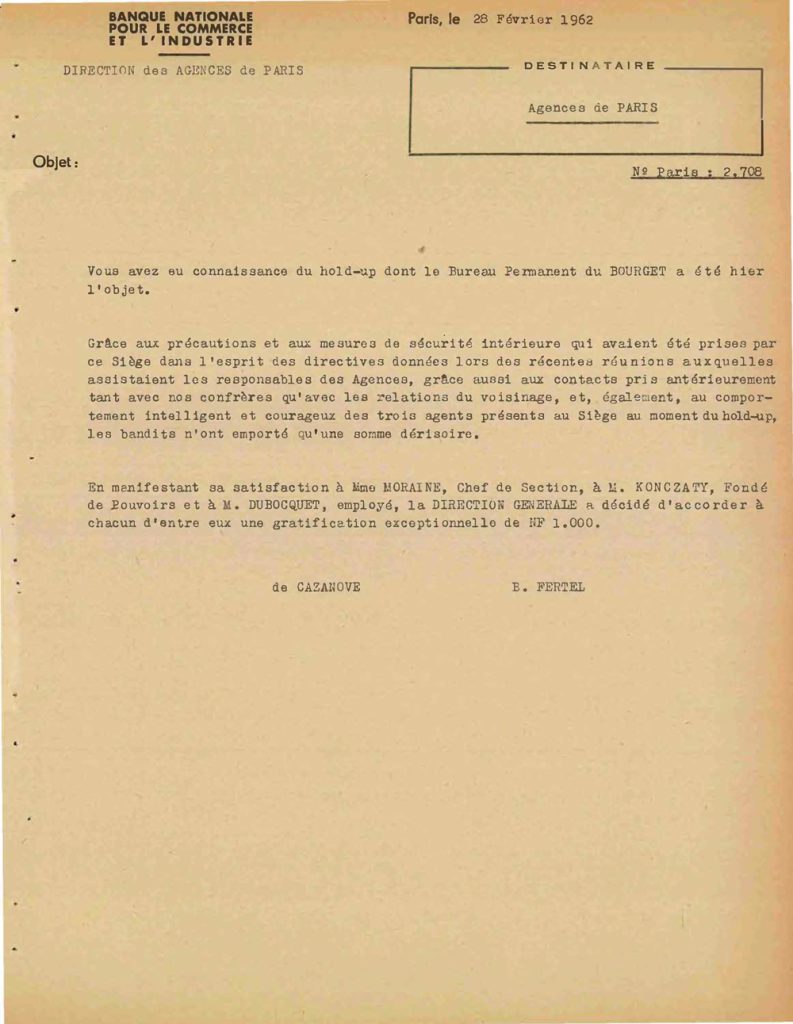
Measures were put in place, but they were ineffective. Neither the “anti-heist” doors installed by BNP in 1972 nor the reinforced police protection deterred the robbers.
Anger grew among staff, who went on strike in 1974 to demand more protection. Their concerns reached the Board of Directors, which acknowledged a certain powerlessness.
The Banks Barricade Themselves
In 1975, the five major French banks, with the help of the Ministry of the Interior, declared war on robbers. In exchange for increased police protection, they committed to investing heavily in their security.
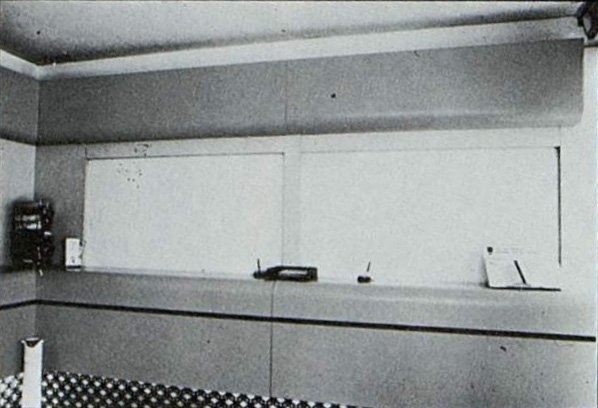
By the late 1970s, 70% of BNP’s security budget was dedicated to modernizing its equipment. In major cities, most branches were fortified. Brand-new video surveillance systems, electric gates, anti-climb bars, and heist-proof teller windows protected by armored panels… robbers were warned!
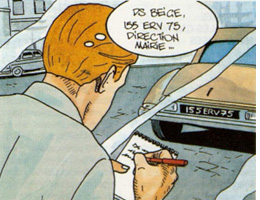
Staff training was at the heart of the system. The goal was to instill good reflexes: above all, not to fight back against attackers, limit cash at the counter, and carefully observe robbers to describe them to the police.
Opposite: excerpt from a comic book designed to train staff on the risk of heists. Dialogue, #103, 1993. BNP Paribas Historical Archives (PER2199309EL)
The Disarmed Banks
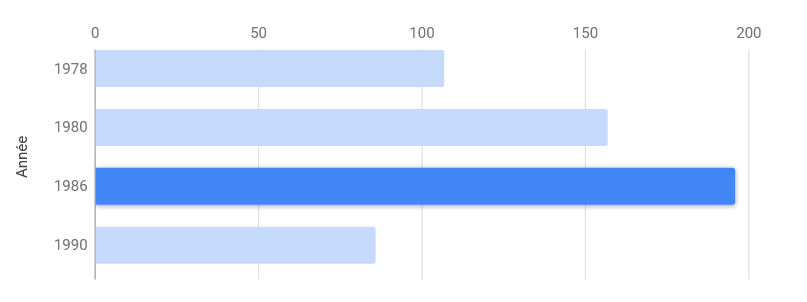
Between 1977 and 1978, 20,000 employees were trained in these reflexes, and the operation was repeated every year for new recruits. However, despite all these efforts, heists did not cease: 1986 was the worst year for BNP.
Number of heists at BNP between 1978 and 1990:
Failing to stop heists, one must learn to live with them. Since 1979, the Social Security system has recognized the psychological consequences of a heist as a work-related accident. Often, the trauma is such that the victim prefers to quit their job.
Every heist must be reported to the BNP’s chief medical officer and must be followed by an examination by the occupational health service. At Paribas, even though the risks are not the same in an investment bank, employees benefit from an “aggression” insurance policy worth 300,000 francs.
Finally, the golden age of bank heists winds down on its own by the end of the 1980s. The 200 million francs spent annually by BNP to combat the problem have nothing to do with it. It is indeed the introduction of automatic teller machines in 1981 and the rise of the Carte Bleue, created in 1984, that will have put robbers out of work!


Did you enjoy this story ?
This selection of articles might also interest you!