Six pioneering women in the history of BNP Paribas Fortis
The journey of women at BNP Paribas Fortis began at the dawn of the 20th century, with their numbers gradually increasing in the 1920s as they took on more permanent positions in areas such as typing and mechanical accounting. Meet the trailblazers, including Paula Doms, who became Belgium’s first female doctor of physical and mathematical sciences in 1901 and a banking pioneer, and learn how the presence of women has evolved over time through these six inspiring profiles.
Discover their stories
Meet the women who shaped BNP Paribas Fortis’s history – Click on the photos to uncover their stories
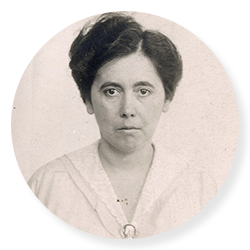
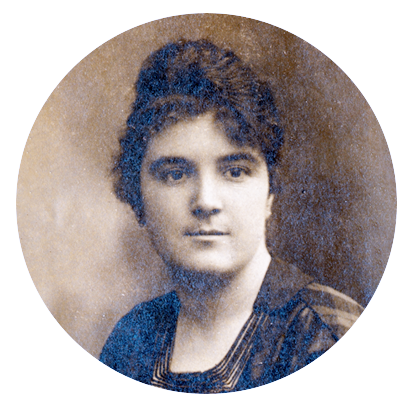
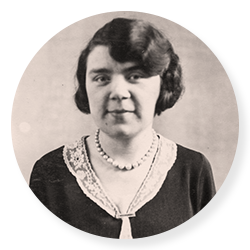
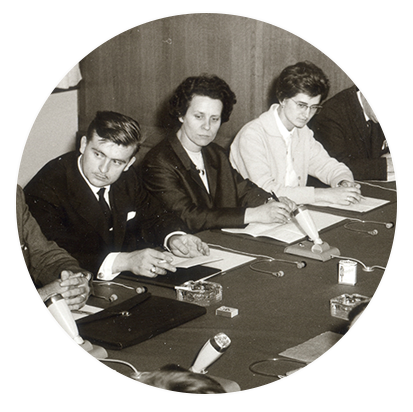
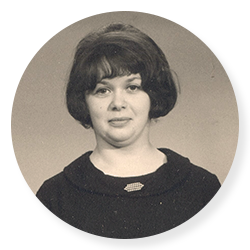
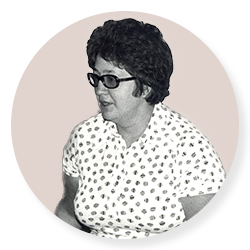
Paula Doms (1901)
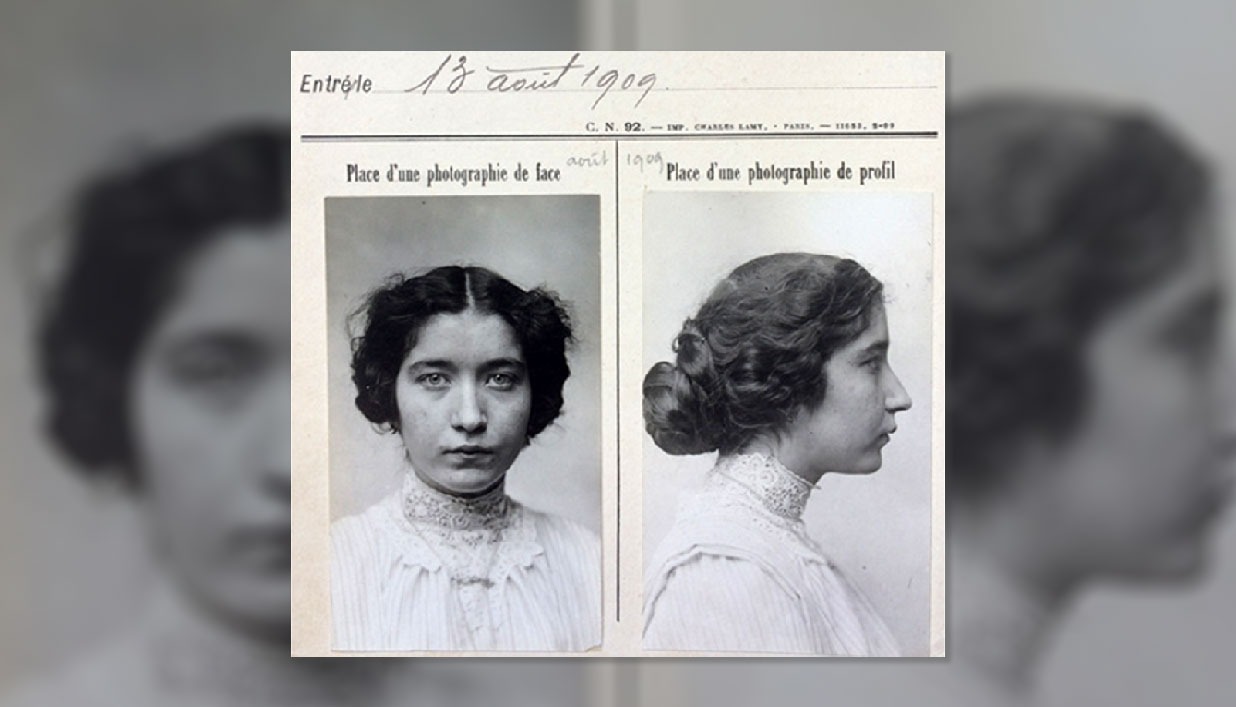
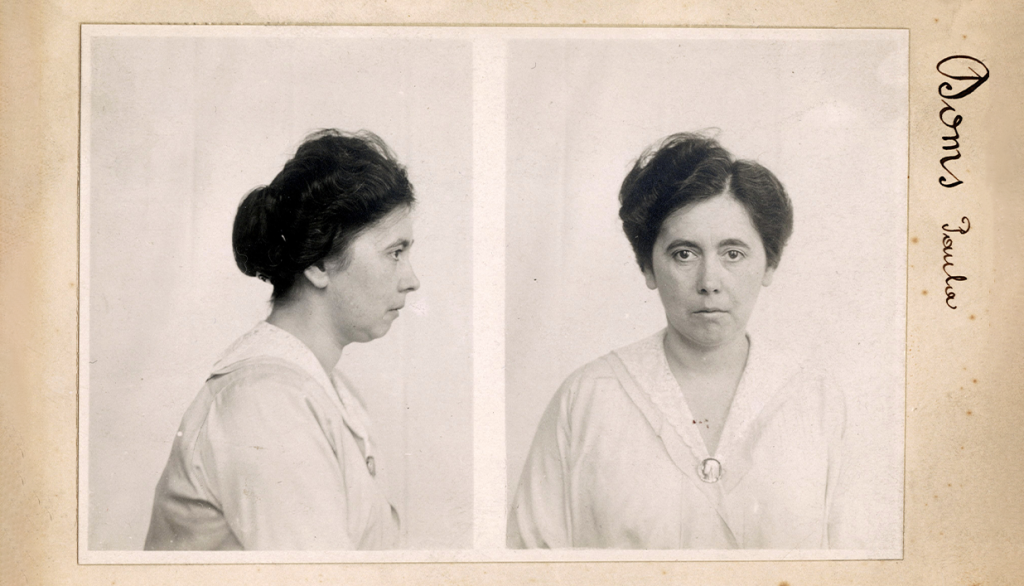
Born in Mons in July 1878, Paula Doms became the first Belgian woman to be awarded a doctorate in physical and mathematical sciences in 1900.
In January 1901, Paula Doms requested a trial position at the CGER1, and her application was strongly supported by her former professor, Lucien Anspach, whose brother happened to be a director at the company.
After a five-month internship in actuarial work, her supervisor noted: ‘Miss Doms has acquired the necessary skills for the proper execution of this work. While she may not possess the qualities required to perform unsupervised work or studies that demand initiative and sound reasoning, it is clear that she has strong qualities of precision and organization, and her good will and level of actuarial knowledge enable her to provide valuable services to the actuarial department.’ He recommended her for permanent appointment.
From July 1901 to July 1904, she held the title of ‘attachée’ with a salary of 1,500 francs. Her first performance review, or ‘rapport de notation’, dated March 1906, acknowledged that she deserved a raise but expressed reservations about her initiative. She was a very good execution agent, but she could not be left to her own devices to conduct special research. ‘She deserves to be treated as a second-class clerk of this value’.
She subsequently received regular raises: 2,900 francs in 1911 and 3,175 francs in 1913. In February 1917, her supervisor noted that ‘in addition to her administrative skills, she possesses those derived from her scientific studies’ and that he occasionally utilized them. However, according to him, Paula Doms was not destined for a position of responsibility. He stated, ‘Following a spontaneous declaration she made to me, Miss Doms does not aspire to hold a hierarchical position in the actuarial department that would put her in charge of the personnel.’ Her second supervisor, Mr. Laneau, would later prove to be much more effusive in his praise, extolling her culture and precision.
In 1927, Paula Doms expressed her disappointment that her salary had not been adjusted as she had anticipated. She requested to be classified as a department head, but was informed that actuaries were considered special agents, outside the regular hierarchy, and were compensated accordingly. Given her “very good” performance evaluation, she was instead classified as a deputy department head. However, Miss Doms was surprised to have missed out on the “very good of the first order” rating, which would have entitled her to a department head’s salary. It was later revealed that her supervisor had been unaware of the existence of this higher rating, and would have assigned it to her if he had known. Years later, in 1936, after consistently receiving “very good” or “very good of the first order” evaluations, Miss Doms finally received an “excellent” rating for the first time.
In 1938, a decision had to be made regarding Paula Doms’ retirement age: would it be 60, like other female employees, or 65, like other employees in her position? Ultimately, it was decided that she would retire at 65. She officially retired in August 1943 and passed away on November 17, 1951.
Julia VINCQ (1918)
Following World War I, the bank faced a labor shortage and began hiring female staff. It was in this context that Julia Vincq, born in La Louvière in April 1897, was hired by the Banque Générale du Centre (a bank sponsored by the Société Générale de Belgique) in December 1918 and assigned to the mail service. Trained at a commercial school in her hometown, she had worked during the war at the cooperative society of Magasins Communaux du Centre.
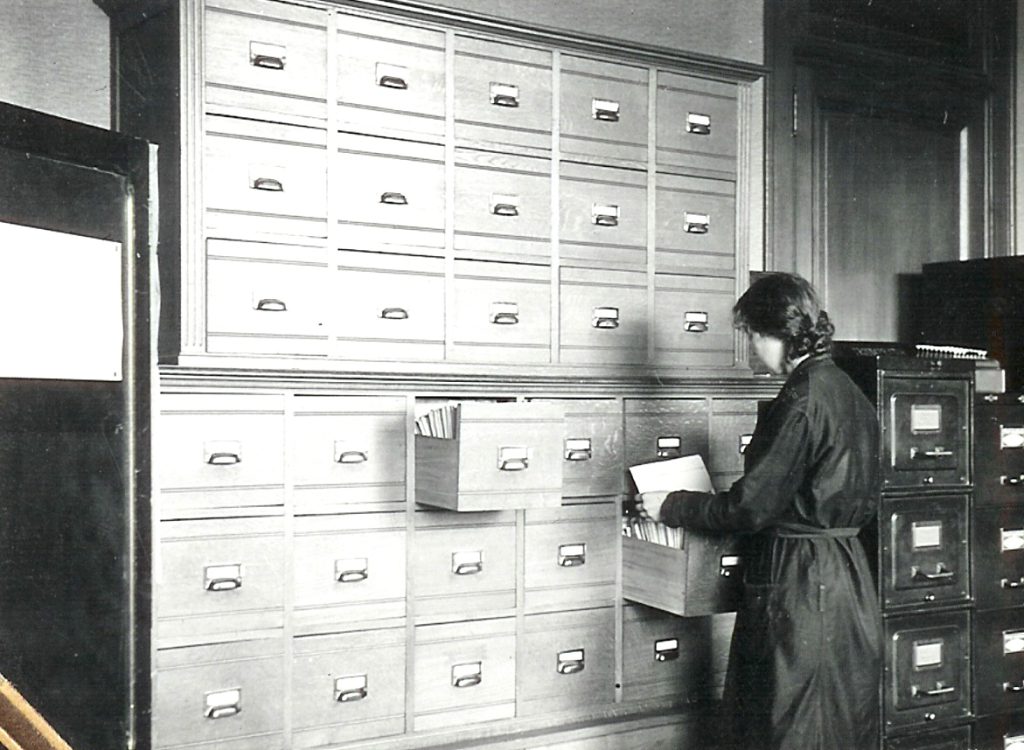
A similar recruitment policy was implemented at the bank’s headquarters. The CGER, which had only one female employee before the war, hired three women as typists. Two of them were widows of CGER employees who had fallen in battle.
The Société Générale de Belgique, on the other hand, hired the widow of Albert Pesch as a telephone operator in December 1918. A few weeks later, the management decided “to conduct an experiment and reserve a certain number of positions for women aged 21 and over”. Nearly 130 women were hired during the year 1919, representing about one-seventh of the total staff. However, these women did not enjoy the same conditions as men, particularly in terms of salary. A service order from October 1919 established the rules: during their probationary period, female employees received the same allowances as their male counterparts, namely 200 francs per month. But after completing their probation, the salaries of male employees who had passed the entrance exam were increased to 300 francs per month, while those of female employees who had achieved the same results were raised to only 250 francs.
The Bank also takes some precautions. In 1920, the female employees of the Banque Belge pour l’Étranger, a subsidiary of the Société Générale de Belgique, are warned by a service order that the bank will “graciously” provide them with an apron, which will be mandatory to wear.
Similar measures are taken around the same time in all the banks of the Société Générale de Belgique group. The purpose of this dust cover is to protect male colleagues from any flirtatious manoeuvres. Small consolation: the women will be able to choose from different imposed models and a seamstress will be available to take their measurements!
Jeanne Boey (1928)
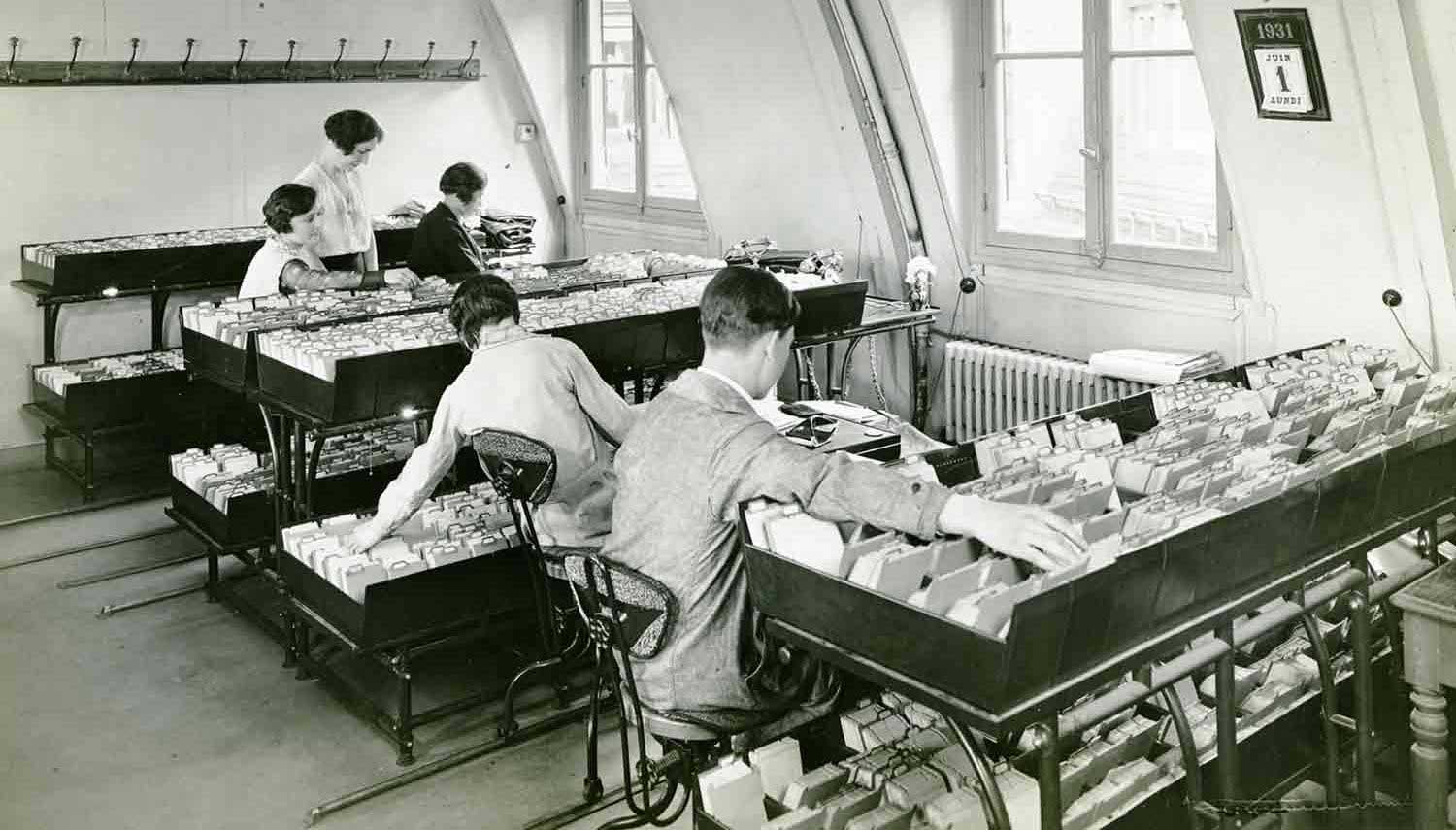
During the interwar period, the number of female employees at the CGER remains extremely low, with only seven women on staff in 1922, fifteen in 1931, and eighteen in 1937.
Jeanne Boey, born in Buvingen, Limburg, in 1905, applies to the Bank in April 1928. She has been working since the age of 19 but wants to join the CGER to “improve her situation”, as she is the breadwinner for a large family.
Although the Bank hires women for various positions, it tends to assign them to specific tasks, such as typing. Interestingly, men and women do not work together at the CGER during this period; instead, the female typists are separated from their male colleagues by a large glass partition.
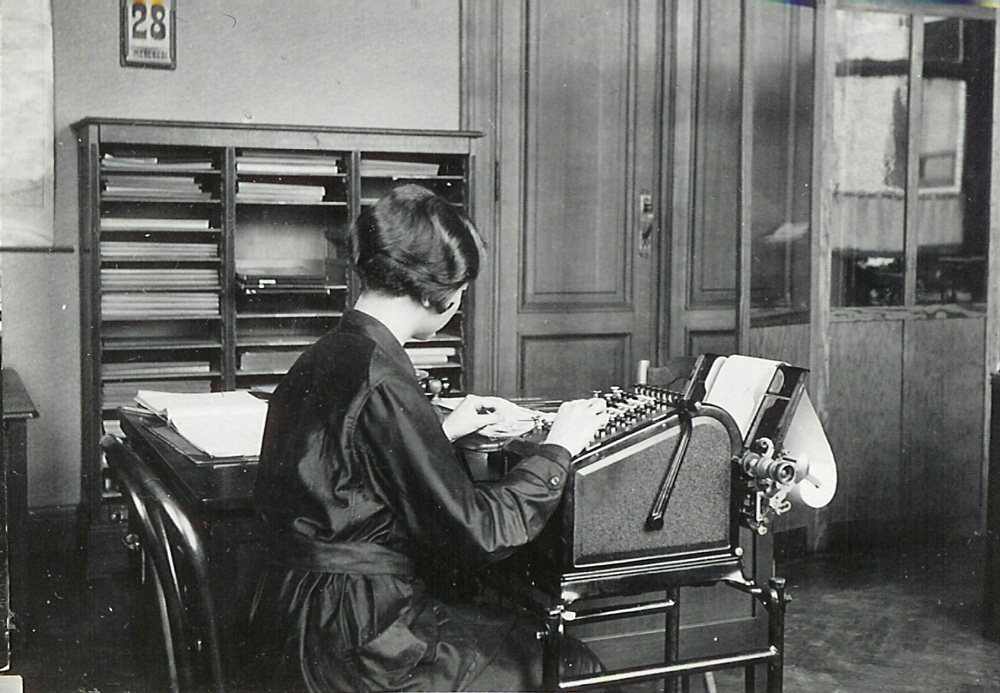
In 1933, the International Labour Office, a branch of the League of Nations, launched a global survey on “the substitution of women’s work for men’s work”. The CGER was approached by the Belgian Ministry of Labour, which explained that “after the war, the typing of correspondence, which was previously done by male staff, was assigned to women”. In response to the question “Is female activity an indispensable, essential, or merely appreciable element for your establishments’ economic prosperity?”, the CGER management replied: “merely appreciable”.
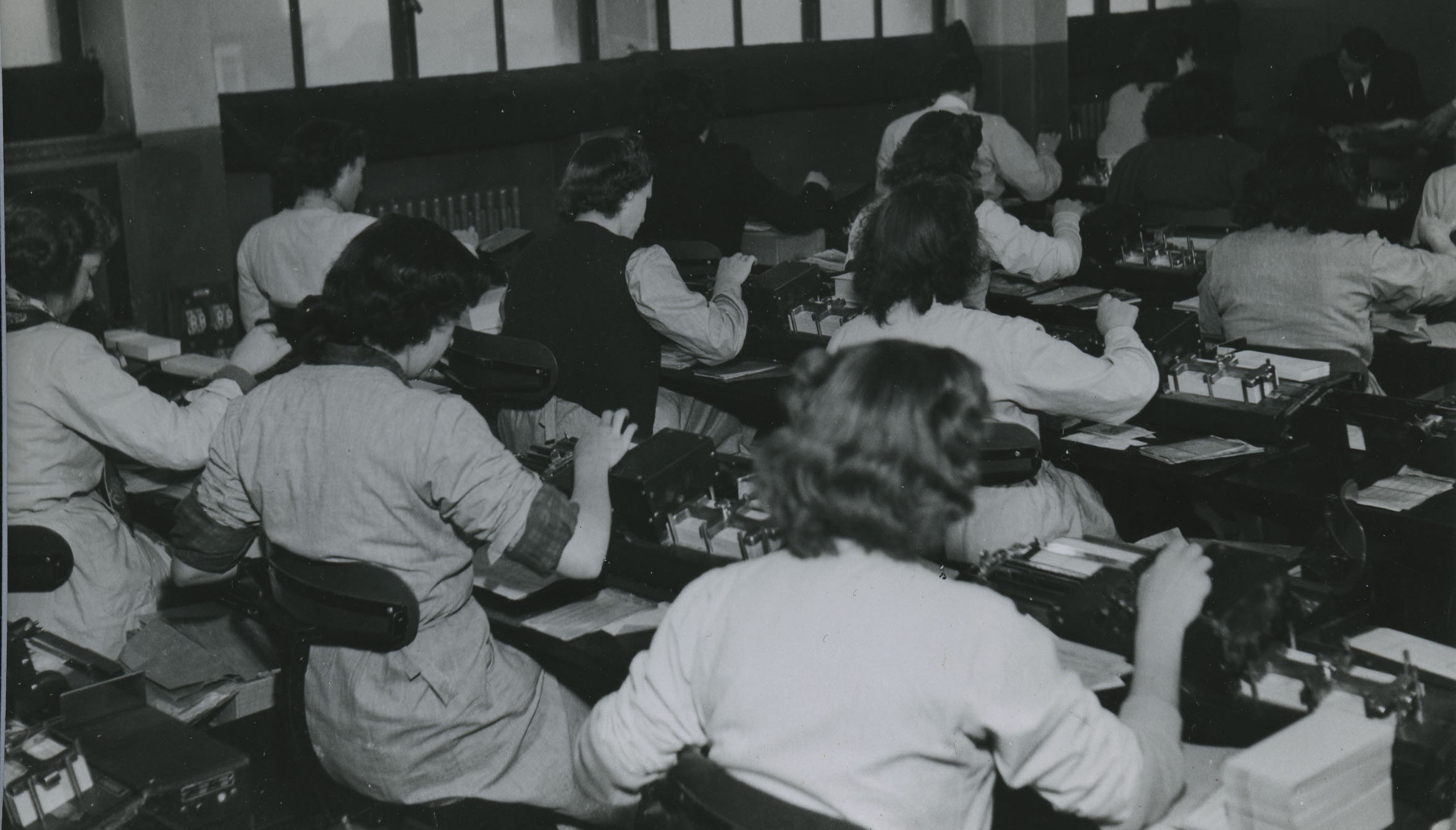
However, from the 1930s onwards, an increasing number of young women aged 18 to 25 were hired by the CGER to operate an ever-expanding range of machines: addressing machines, perforators, sorters, and statistical machines, tabulators, etc.
During the war years, women were tasked with encoding punched cards. “The required speed is not excessive: it averages 4 keystrokes per second, or 240 per minute, 14,400 per hour, which, at a rate of 80 perforations per card, corresponds to 180 cards per hour. Many employees reach 200 cards, or 16,000 keystrokes per hour…”
The work of mechanography is routine, exhausting, and tedious, particularly due to the noise of the machines. It requires no initiative but demands sustained attention. After several years of working in a mechanography department, many women request to be transferred to other departments due to the nervous tension and noise. A specific problem arises for pregnant women: it is not uncommon for mechanographers to continue working until the start of their maternity leave.
Marie Bogaert (1957)
As of 1953, all 221 management positions at the bank were held by men, and women made up only a small fraction of the executive team, with just 24 female executives out of a total of 966. Only one woman had risen to the rank of department head, and that was in Kortrijk.
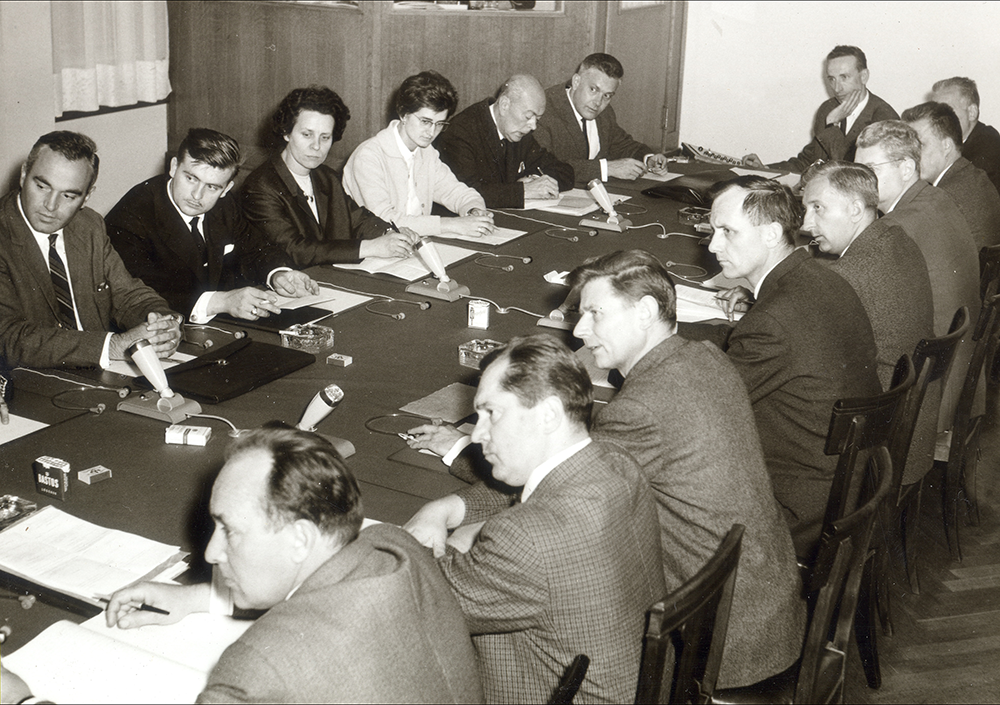
In 1957, Marie Bogaert made history by becoming the first woman to be elected to the company council of the Banque de la Société Générale de Belgique, which had been established in 1950. By 1966, two other women, Miss A. Plas and Miss G. Verstraeten, had followed in her footsteps and taken on leadership roles.
Rosa Van Elegem (1965)
It took until 1964 for a woman to be appointed to a management position at the bank. Two years later, in 1966, a woman was assigned to the credit management department at the head office. And it wasn’t until 1967 that female employees were invited to participate in a commercial contact seminar organized by the bank
Among these pioneers was Rosa Van Elegem, who joined the Générale de Banque in 1965 and was appointed branch manager the following year. When she shared her ambitions with a deputy director, she received a scathing response: “But, my little girl, a good branch manager needs to be able to regularly smoke a big cigar and drink a good cognac with clients. That’s not a woman’s place!” Despite this, she was appointed. A few weeks after taking up her new role, she received a phone call informing her that her son had fallen and was vomiting. Rosa immediately returned home, and the former branch manager commented: “That’s what happens when you hire a woman.” But a week later, he took a half-day off to take his car in for a technical inspection. Rosa Van Elegem couldn’t resist retorting: “And that’s what happens when the branch manager is a man“.
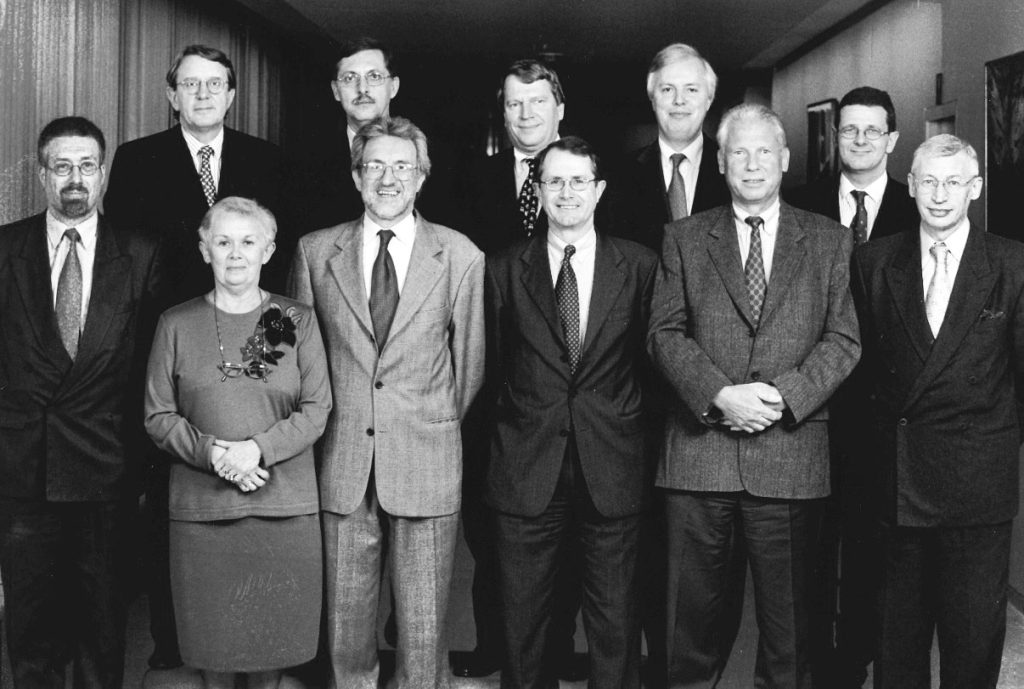
Rosa Van Elegem would remember this experience when she became the Director of the Human Resources department at the bank… and the first female member of the executive committee, in 1998!
Micheline Bruyninckx (1972)
In 1972, there were 1,050 women among 5,500 employees at CGER (19%). Of these, only two women held the position of office manager. One of the editors of the CGER corporate newsletter, Micheline Bruyninckx, began a series of articles on the discrimination faced by women.
In her articles, she lamented the lack of career prospects available to women and the sexist attitudes that steered them toward roles with limited opportunities. She also criticized women’s resignation and regretted their lack of ambition, often shaped by their dual role as both workers and mothers. At CGER, only one woman held the rank of department head! Additionally, she encouraged women to pursue as much training as possible.
At the same time, a similar movement was emerging at Société Générale de Banque. In the staff magazine, columnist Françoise Frapier raised the question of professional recognition for women at the bank.
“Why do so many women accept being the excellent secretaries of excellent directors—while we never see the reverse? Why is there still such widespread male reluctance when it comes to taking orders from a woman? And why are women constantly blamed for maternity leaves, when it is through childbirth that they ensure the very continuity of the male-dominated society that excludes them?”
In 1972, women made up 19% of the CGER’s workforce, with 1,050 female agents out of a total of 5,500. However, only two women held the position of department head. Micheline Bruyninckx, a writer for the company newspaper, began a series of articles on the discrimination faced by women. She argued that women were often limited to low-level positions and were discouraged from pursuing careers, and that sexist attitudes were prevalent. She also criticized the lack of ambition among women, which she attributed to the societal expectation that women should prioritize their roles as mothers over their careers. At the time, only one woman held a senior management position at the CGER. Bruyninckx encouraged women to pursue further education and training to improve their career prospects.
Around the same time, a similar movement was emerging at the Société Générale de Banque. In the staff magazine, columnist Françoise Frapier posed a series of questions about the lack of professional recognition for women in the bank:
“Why do women so often accept roles as secretaries to male directors, and why do we never see men in secretarial roles? Why are men still reluctant to take orders from women? Why are women criticized for their pregnancies, which are essential to the continuation of society?“
These criticisms and questions hinted at imminent changes.
From mixed-gender workplaces to equity: 50 years of progress in a few key dates
1983
The Société Générale de Banque partners with the European Commission to produce a film promoting “Equal Opportunities
1988
The Bank establishes a committee on equal opportunities
1990
A royal decree requires public institutions – including the CGER – to develop an “equal opportunities plan”, which includes measures to promote the presence of women at all hierarchical levels.
1993
Women at the Bank are now allowed to receive their correspondence, pay stubs, and other documents under their own names, rather than their husbands’ names.
2005
The diversity ambassadors of Fortis Bank meet for the first time.
2006
The network of ambitious women at Fortis Bank meets for the first time.
2008
Fortis Bank launches a diversity e-learning module.
2011
MixCity Belgium, a diversity and inclusion network, is launched.
2018
BNP Paribas Fortis launches a pilot program ‘Women Got Talent’ aimed at increasing the number of women in leadership positions.
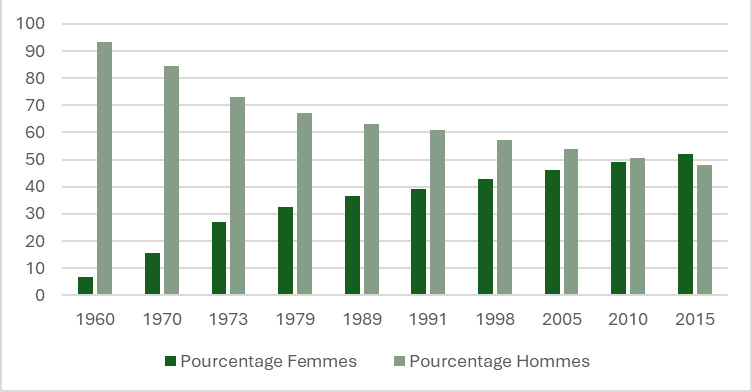
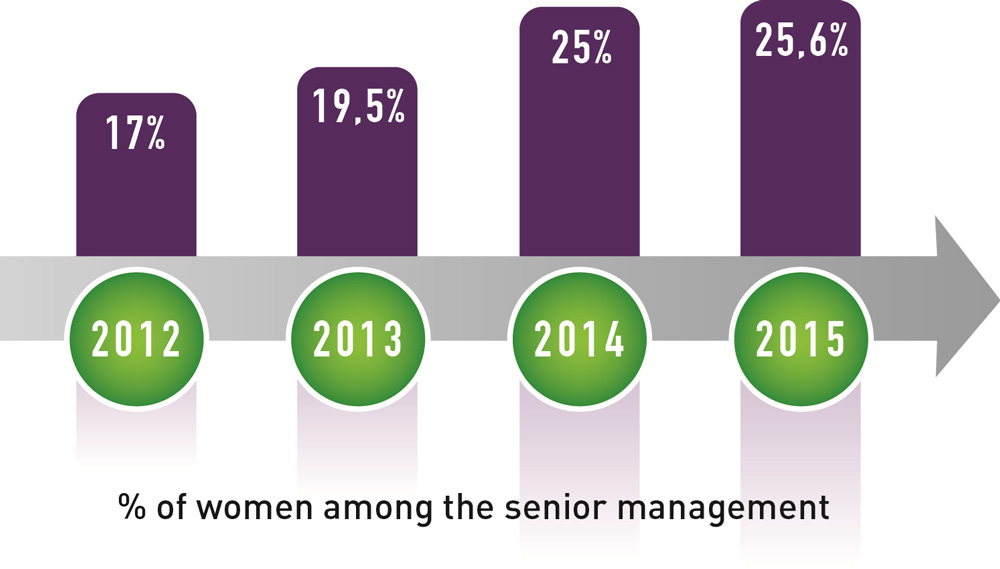
Evolution in a few numbers


Did you enjoy this story ?
This selection of articles might also interest you!