


Financing mobility: BNP Paribas and the long history of transport and energy
The conditions that make sustainable mobility possible today are rooted in an older history—one of transport, energy, and financing. Since the 19th century, BNP Paribas and its predecessor banks have played a major role in financing large-scale transport systems and the energy innovations that accompany them—canals, ports, railways, metros, electrical grids, and more—in France and internationally. This long-term perspective sheds light on both the role of private financing in the successive transformations of transport and the position held by BNP Paribas and its predecessor banks in this history.
When infrastructure shapes the economy
In the 19th century, infrastructure became one of the major drivers of global economic and financial development. Canals, ports, railways, tramways, and water, gas, and later electricity networks transformed territories, cities, and trade. These facilities connected production hubs to markets, accelerated the movement of goods, and supported industrialization.
Their financing also grew in scale. Building a railway line, modernizing a port, or developing an urban network required substantial capital, often raised over several years, along with complex financial arrangements and long-term risk-taking. These projects involved public authorities, concessionary companies, engineers, investors, and banks. The state set the framework, granted concessions, provided guarantees, or offered support. Companies built and operated the infrastructure. Banks managed bond issuances, placed securities, granted loans, or structured financial syndicates. Private financing did not replace public action; instead, major mobility and energy networks were built through cooperation between public and private stakeholders.
France provides a significant example of this dynamic. On the Paris Stock Exchange, infrastructure accounted for 55.8% of market capitalization in 1850 and 64.5% in 1870, driven largely by railway companies.
Yet this trend extended far beyond France. The projects documented in our archives span Europe, Asia, Africa, Latin America, and the Middle East. Our records identify 356 transport-related projects between 1831 and 2000 and 568 energy-sector projects from 1902 to 1981. These figures underscore a long-term commitment and demonstrate that transport and energy infrastructure early on became part of a global geography of capital.
From canals to railways: Scaling up

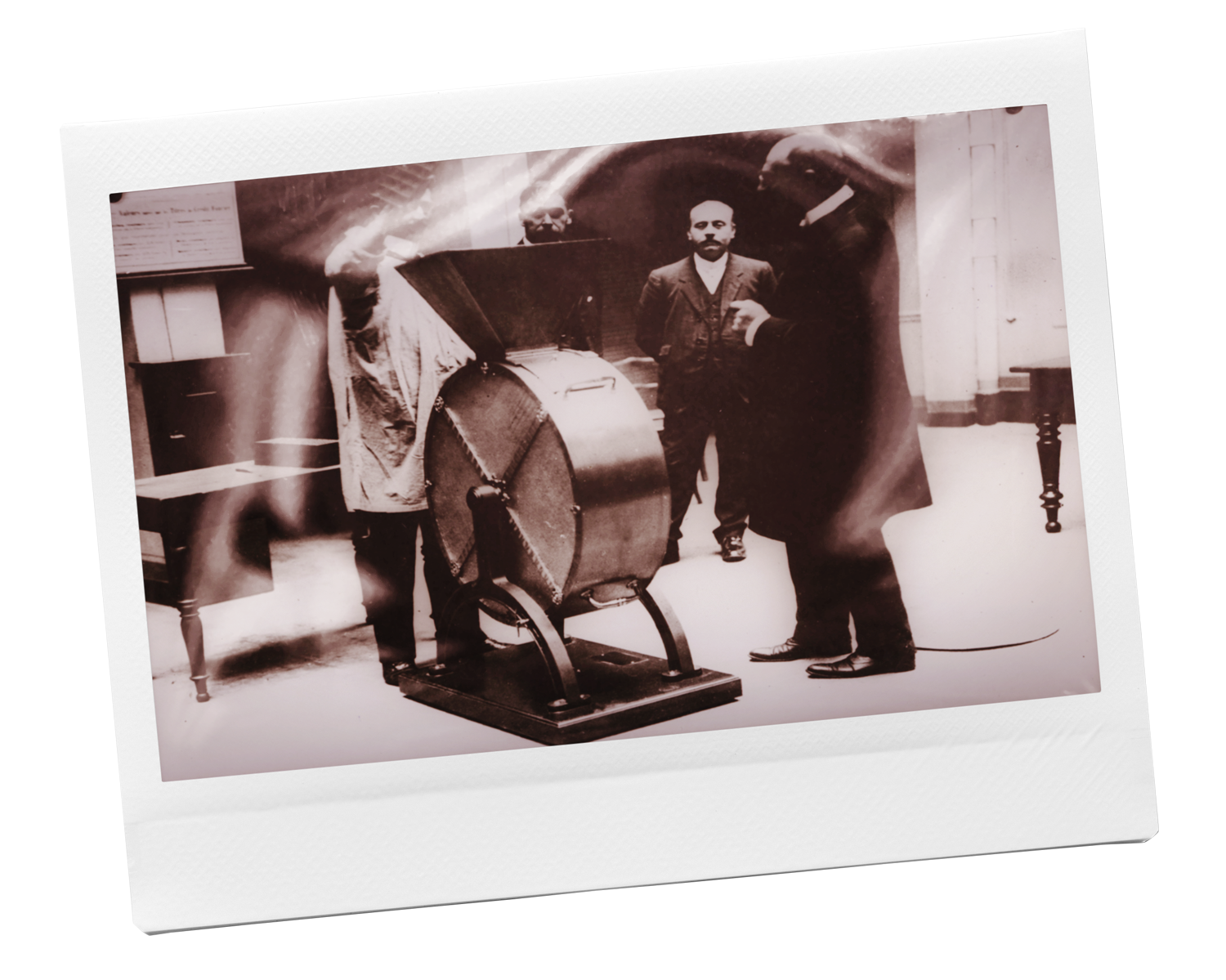
The first major infrastructure projects focused on waterways and ports. Canals addressed concrete needs: speeding up trade, transporting raw materials, opening commercial outlets, connecting isolated regions, and bypassing geographical obstacles.
Société Générale de Belgique (now BNP Paribas Fortis) invested early in waterways: a 1.9-million-florin advance in 1823 for the Pommerœul-Antoing canal, a 1.5-million-florin loan in 1825 for the Zeeland canal, and an 1.8-million-florin loan in 1831 for the canalization of the Belgian Sambre.
In France, Paribas participated in the 1874 bond issuance for the Canals of the East.
On a larger scale, the Corinth Canal, financed in 1882 through a company with 30 million gold francs in capital, exemplified the mobilization of capital around an international project.
With the railway, the scale shifted once again. Rail transport transformed territories, connecting cities, ports, mining basins, and industrial regions. It accelerated trade, supported industrialization, and reorganized circulation patterns.

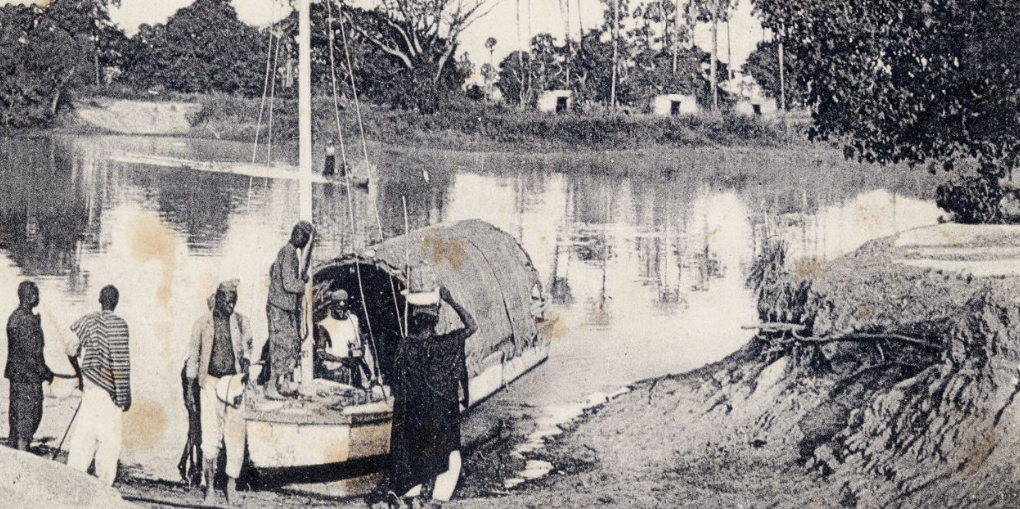
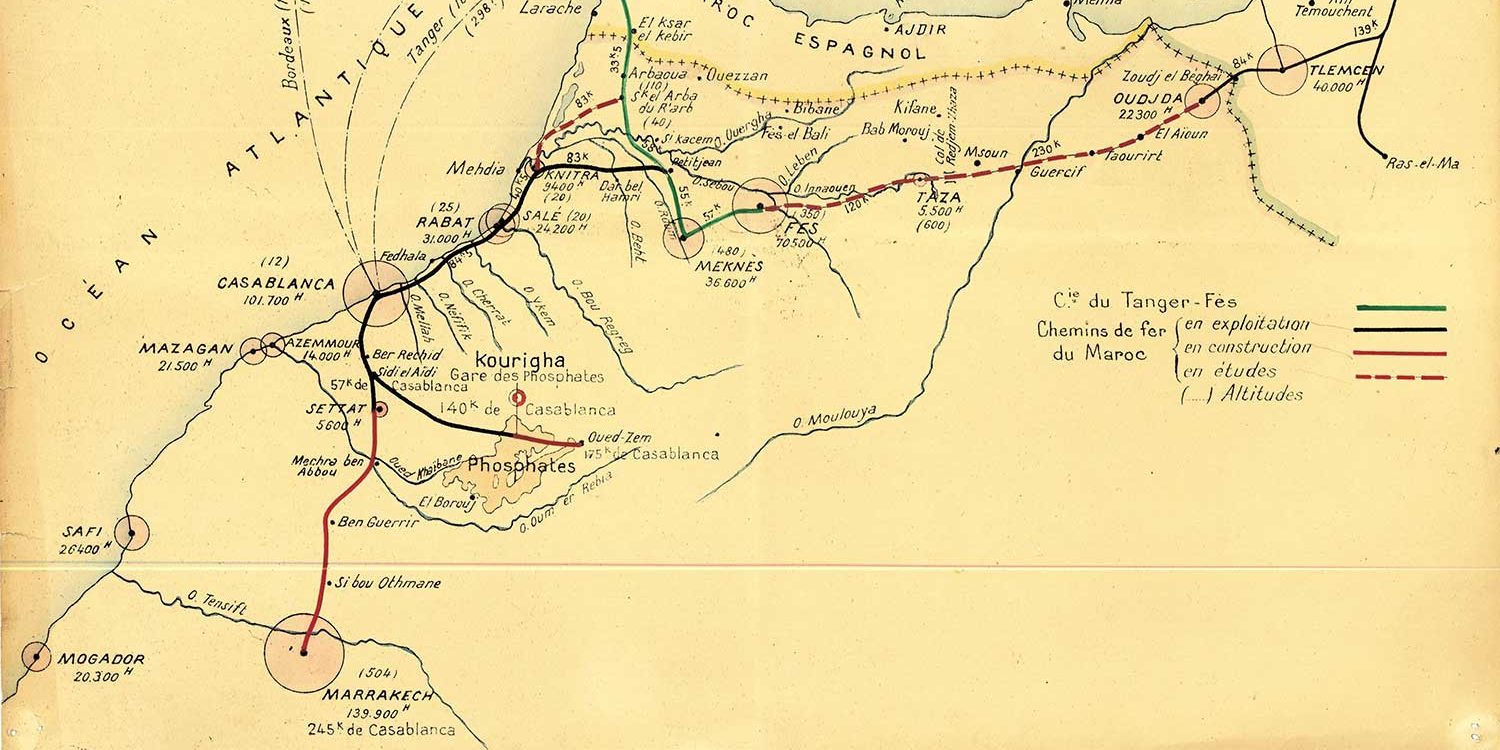
The projects backed by the Group were neither confined to a single territory nor followed a single model. Some facilitated European industrialization, while others involved the opening of international lines, the development of colonial territories, the linking of ports to productive regions, or the structuring of long-distance networks. Their common thread lay in the very nature of infrastructure: costly, time-consuming projects dependent on legal and political frameworks, requiring sustained capital mobilization.
In Spain, Fortis invested 10 million francs in 1858 in the Northern Railways of Spain (723 km between Madrid, the French border, and Santander), while CNEP and Paribas financed and represented the company between 1894 and 1903, rescuing the Calatayud-Valencia line in 1903 with a 12-million-peseta loan. In China, CNEP, Paribas, and Fortis participated from 1897 in the Society for the Study of Railways in China, later contributing to the construction of the Beijing-Hankou line (1898–1905), China’s first railway, spanning over 1,200 kilometers.
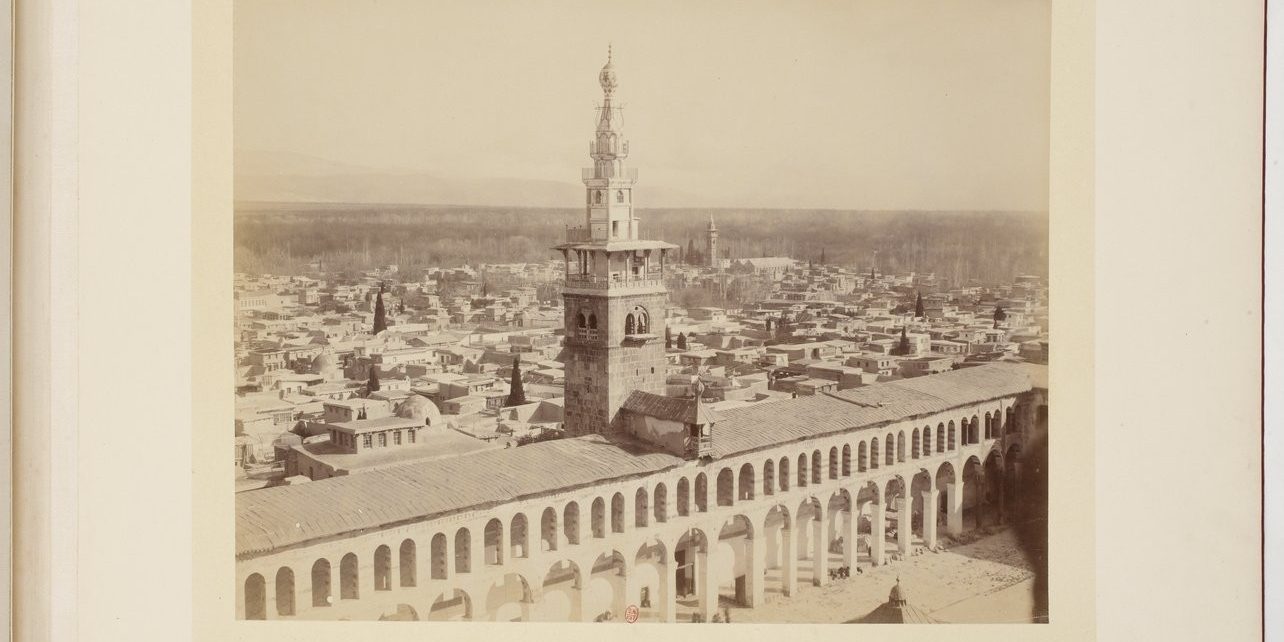
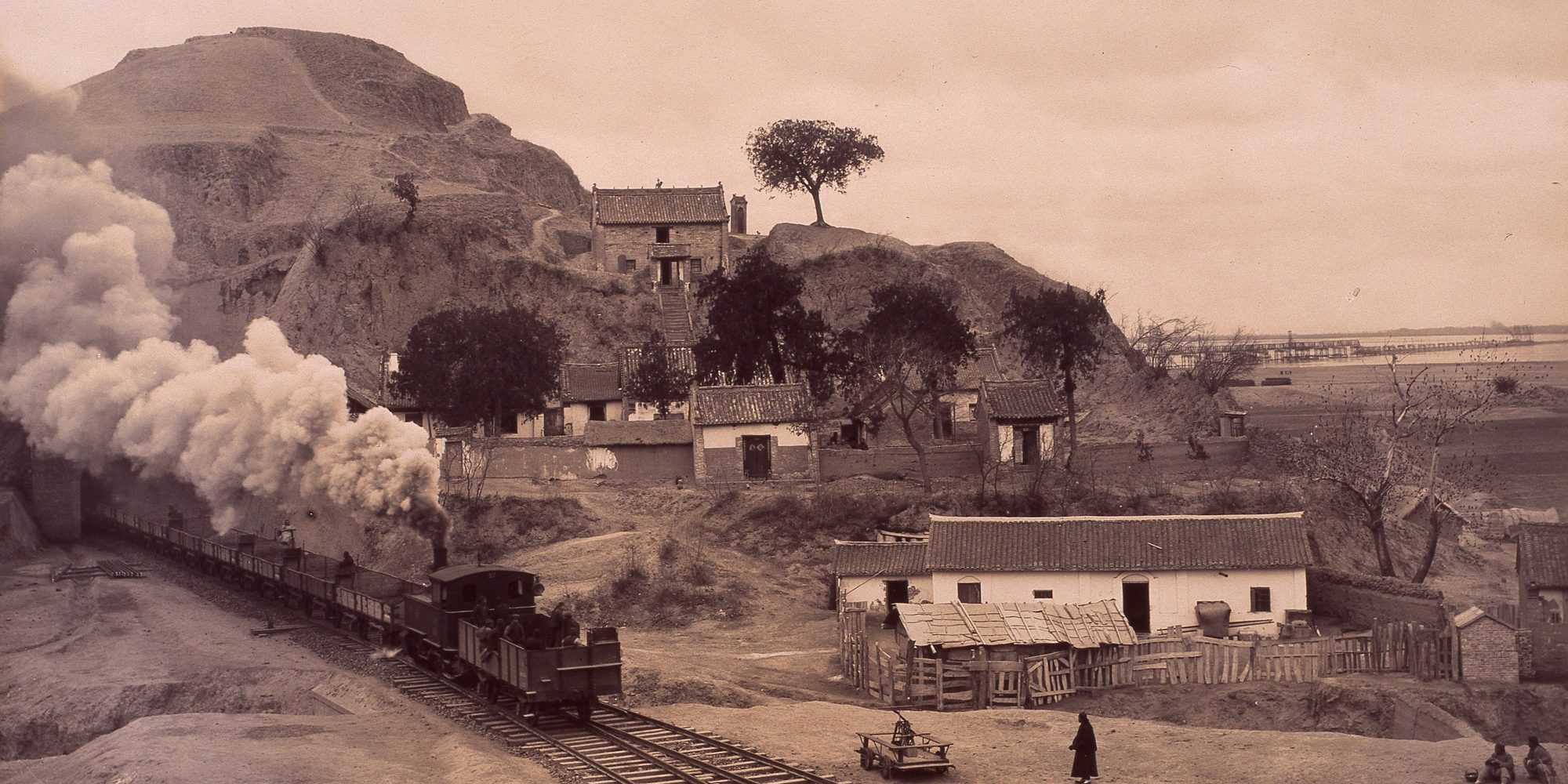
The Channel Tunnel project illustrates, on a different scale, the technical, political, and financial dimensions of major infrastructure initiatives.
Cities, the new frontier for public transportation

At the turn of the 20th century, urban growth gave rise to new challenges. Tramways, followed by metro systems, addressed surface transport congestion, demographic influx, and the need for more rational urban planning.
The Paris Stock Exchange played a key role in this shift. The urban transport sector raised over 600 million francs in the 19th century—4% of all issuances on the Paris market. Between 1898 and 1899 alone, ten new urban transport companies were listed on the official exchange.
This trend continued into the 20th century with financing for the Berlin U-Bahn, London Underground, Mexico City Metro, Santiago Metro, and Caracas Metro expansion. For Caracas, Paribas contributed 2.4 billion francs in 1982 to fund the metro’s first extension.
Transport and energy: A shared history
Financing transport also means financing the energy that powers it. Steam, electricity, and internal combustion engines successively transformed rail, urban transport, road, maritime, and air travel. Consequently, investments in coal, electricity, gas, and oil directly supported the evolution of networks and vehicles.
From the early 20th century, BNP Paribas’ predecessor banks financed electricity, gas, and industrial equipment, including: Compagnie Parisienne de Distribution d’Électricité, Énergie Électrique du Sud-Ouest, Compagnie d’Électricité de l’Ouest Parisien, Compagnie du Gaz de Lyon, Industrie Électrique, Société Centrale pour l’Industrie Électrique, Société Lyonnaise de Force & Lumière, Alsthom Financing thus expanded from transport networks to the energy systems fueling them.
A new energy scale after 1945
During the post-war reconstruction and industrial modernization, energy financing took on greater significance. As early as 1946, Gaz de France secured a 1-billion-franc credit facility, including a 340-million-franc tranche over six months. Archives document how major public energy operators entered reconstruction and industrial modernization financing circuits.
In subsequent decades, financing extended to oil, coal, refining, electrical equipment, and early nuclear players. Energy became more strategic, intersecting industry, supply chains, and public policy.

Understanding sustainable mobility over the long term
Revisiting this history is not about equating past transitions with today’s challenges. However, it underscores that no lasting mobility transformation occurs without infrastructure, energy, and long-term financing.
In an era of electrification, public transportation, and decarbonization, one key question remains: how—and by whom—will the networks that power tomorrow’s mobility be financed?