


The Years 1945–1973: BNP Paribas in a New World Order
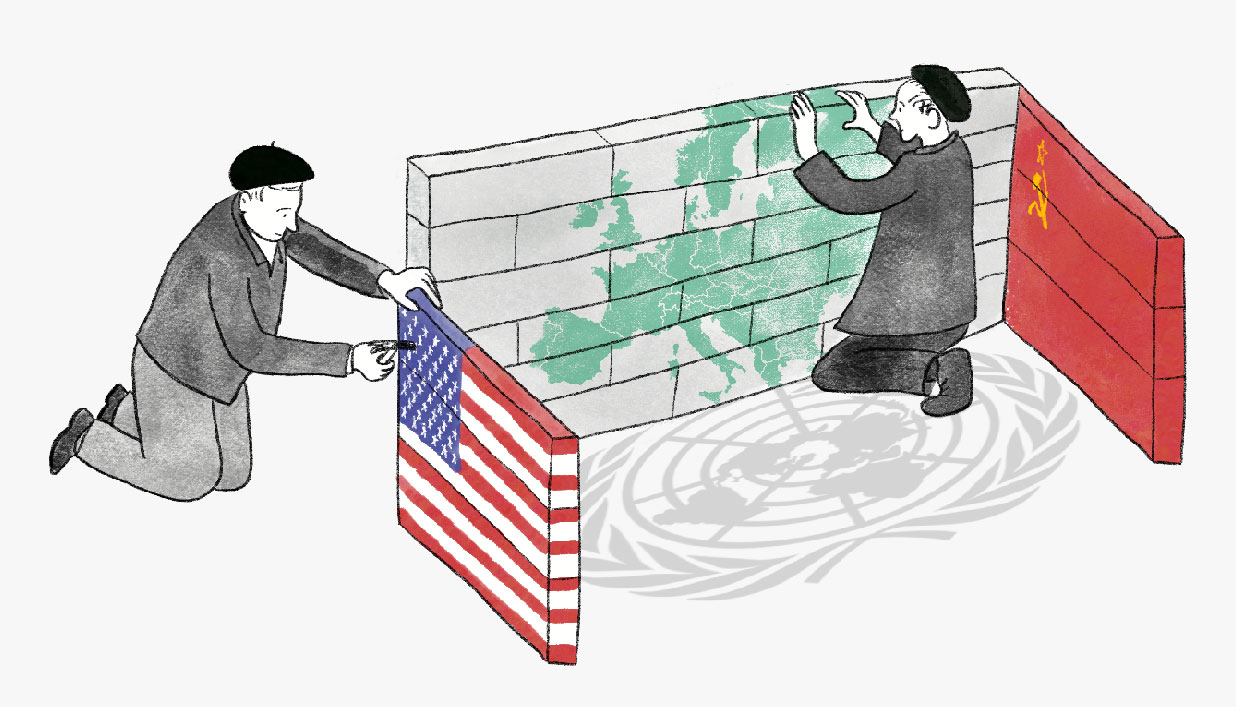
At the end of the Second World War, the world entered an unprecedented phase of reconstruction. Material, institutional, and financial rebuilding intertwined in a context marked by the determination to secure lasting peace while revitalizing economies. From 1945 to the early 1970s, a new world order took shape, structured by the Cold War, geopolitical realignment, European integration, and sustained economic growth. Through the history of BNP Paribas’ predecessor banks, this period offers insight into the dynamics shaping societies at the time. The objective is twofold: to provide historical benchmarks and to demonstrate how banking activity was at the heart of political, economic, and social transformations
Rebuilding the Economy in the Shadow of the Cold War
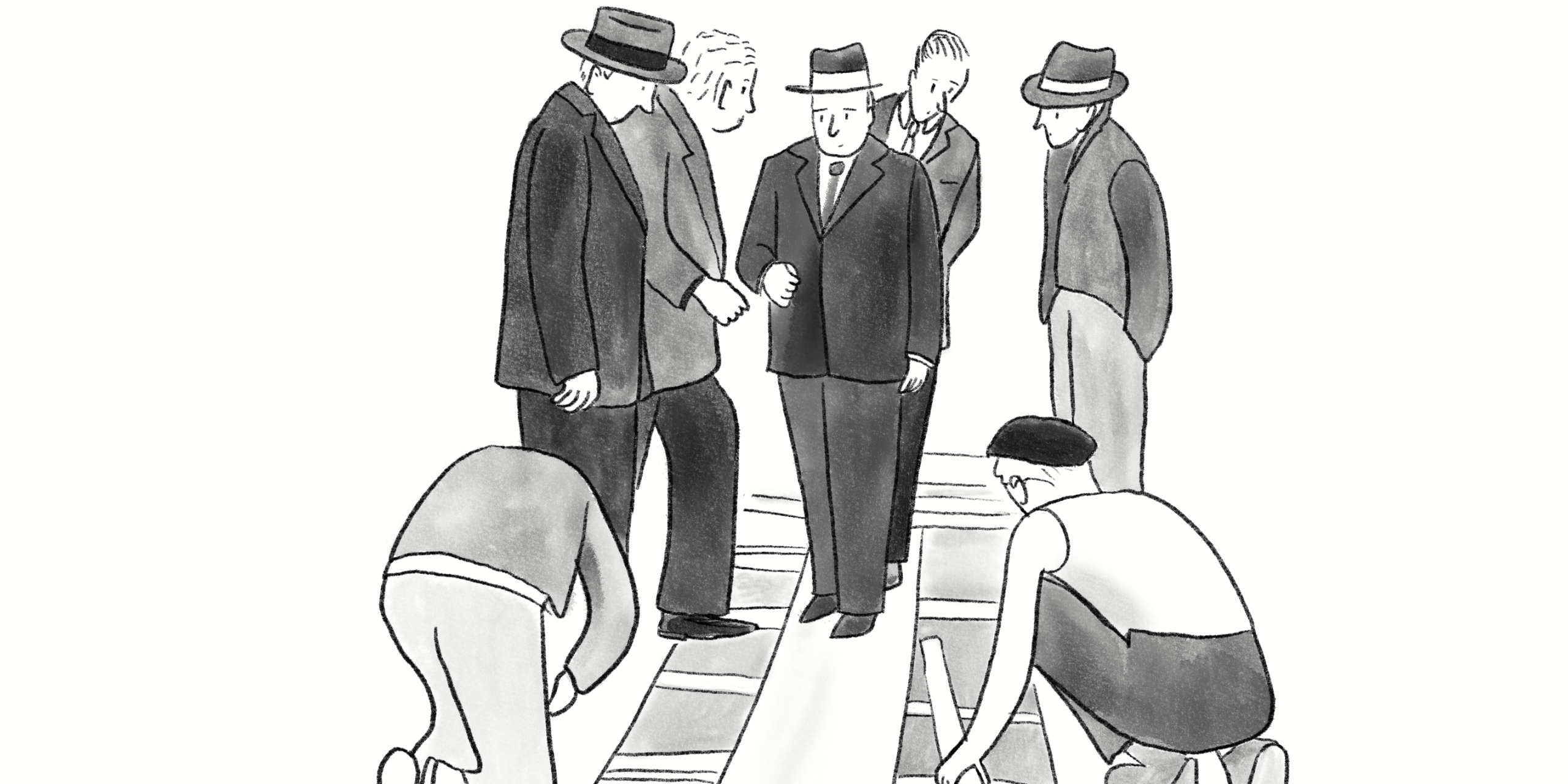
From 1945 onward, the international community sought to stabilize the global system.
The creation of the United Nations (UN) reflected a commitment to political cooperation.
The Bretton Woods agreements established an international monetary system centered on the gold-convertible dollar, with fixed exchange rates designed to ensure stability and confidence. The International Monetary Fund (IMF) and the World Bank became the pillars of this new financial framework.
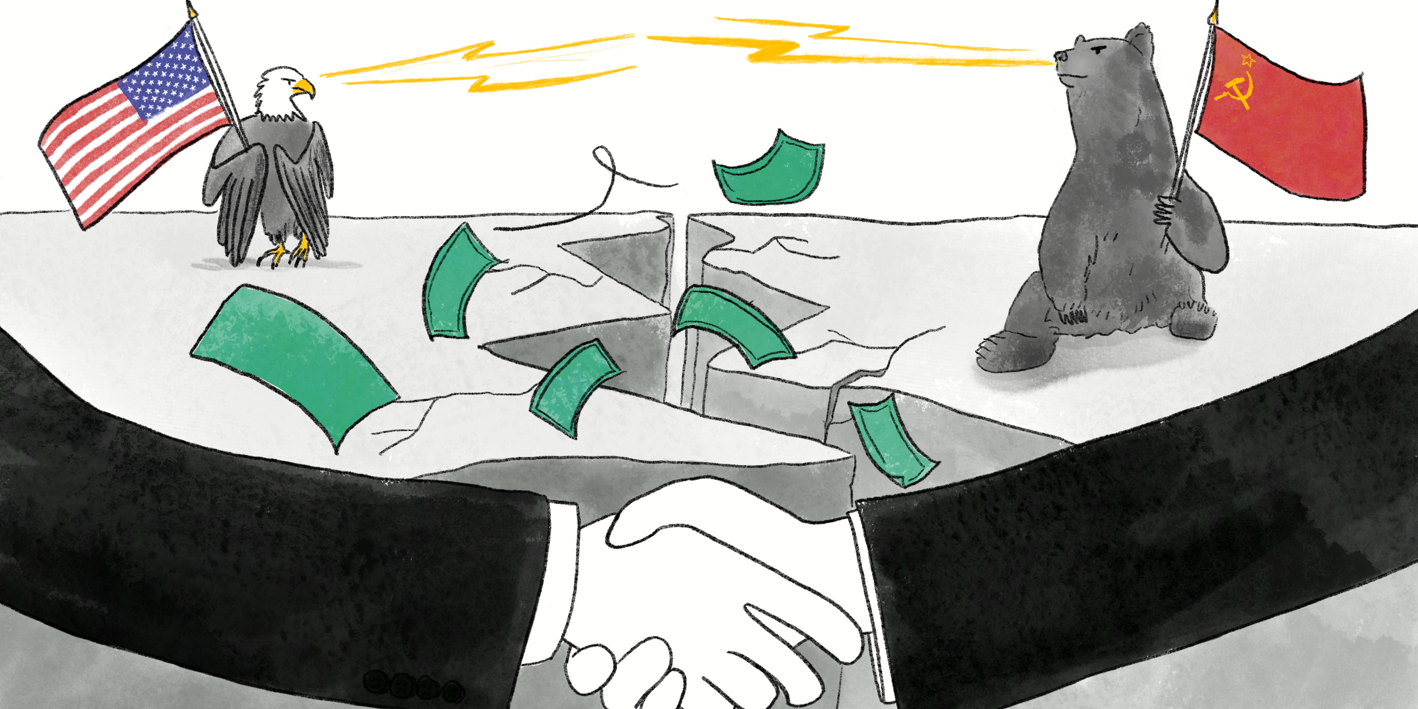
Meanwhile, the rivalry between the United States and the USSR enduringly shaped global geopolitics. The Marshall Plan (1947), the founding of NATO (1949) and the Warsaw Pact (1955), along with the Berlin, Korean, and Cuban crises, underscored that reconstruction was unfolding within a fragile balance of power.
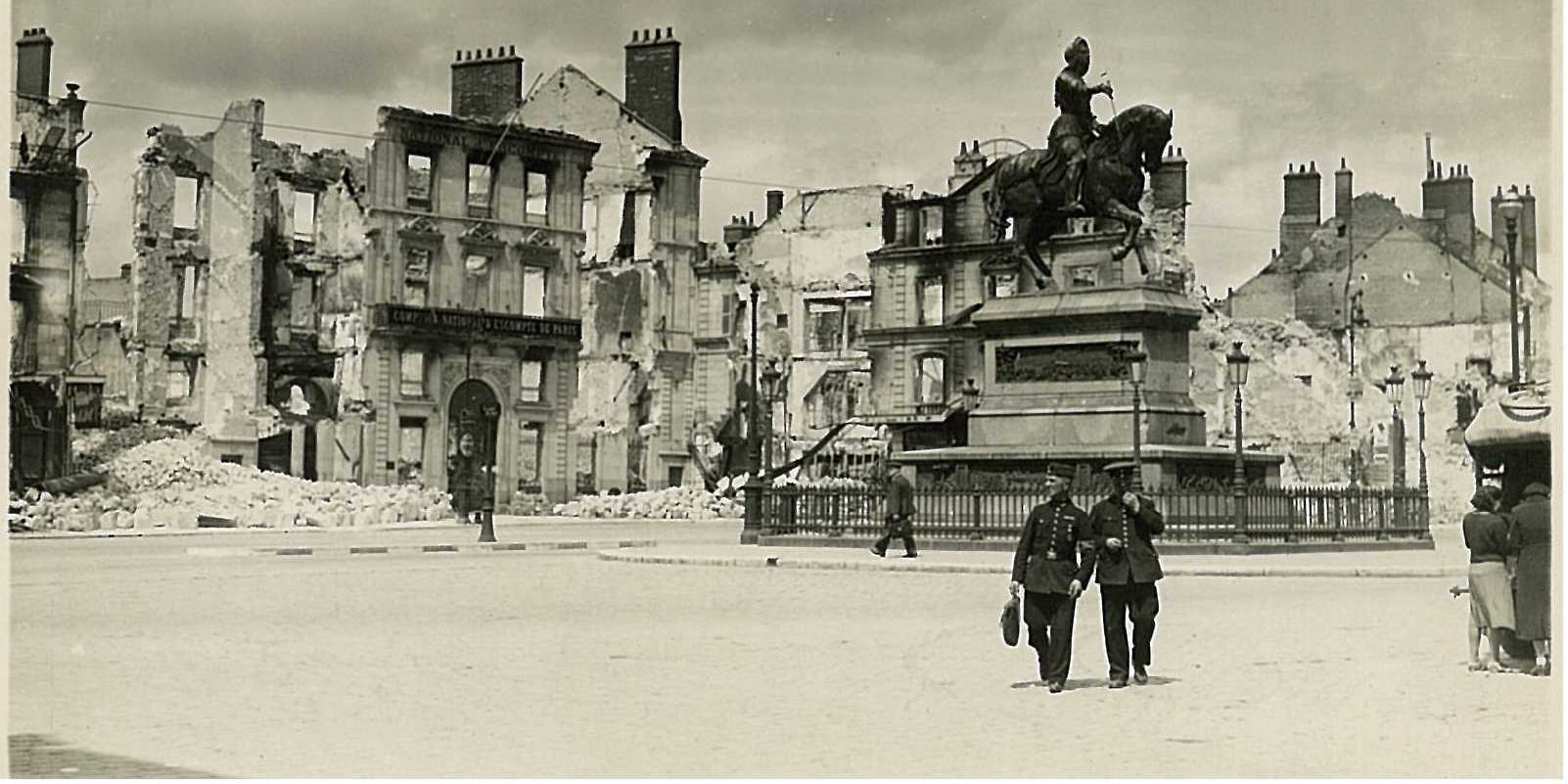
In this context, banks played a decisive role. They formed an essential infrastructure for recovery: financing strategic industries, modernizing equipment, and facilitating credit circulation. In France, this mission unfolded within a profoundly renewed institutional framework. The banking nationalization law of December 2, 1945, placed France’s major deposit banks — Crédit Lyonnais, Société Générale, Comptoir National d’Escompte de Paris (CNEP), and Banque Nationale pour le Commerce et l’Industrie (BNCI)—under state control to “direct national savings toward the vast investments required for the country’s reconstruction after the Second World War,” as General de Gaulle stated before the Consultative Assembly in March 1945.
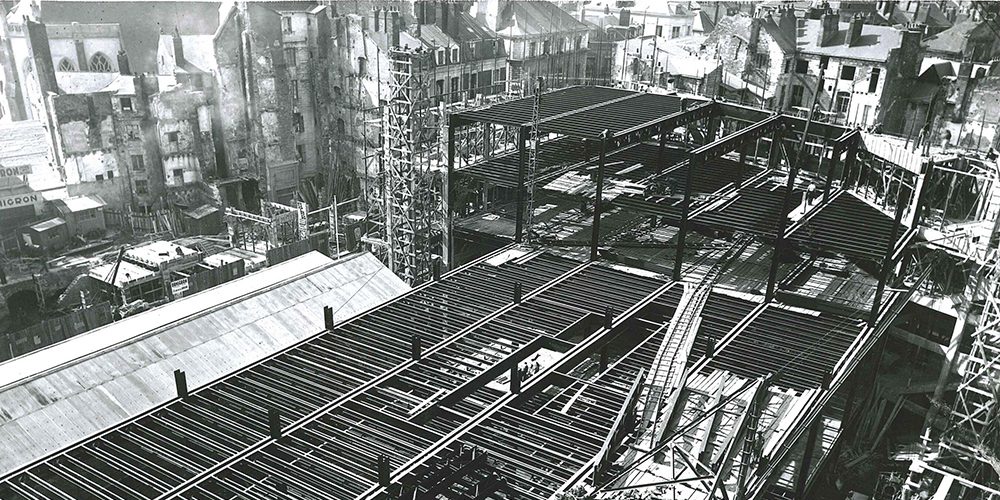
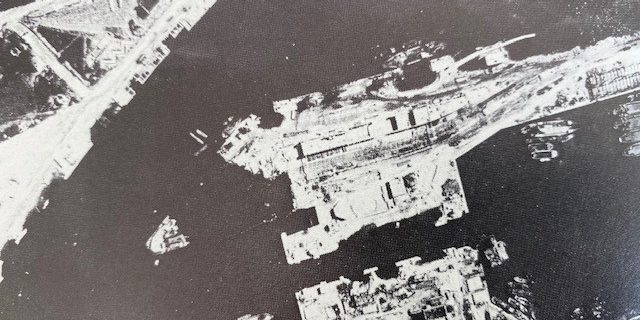
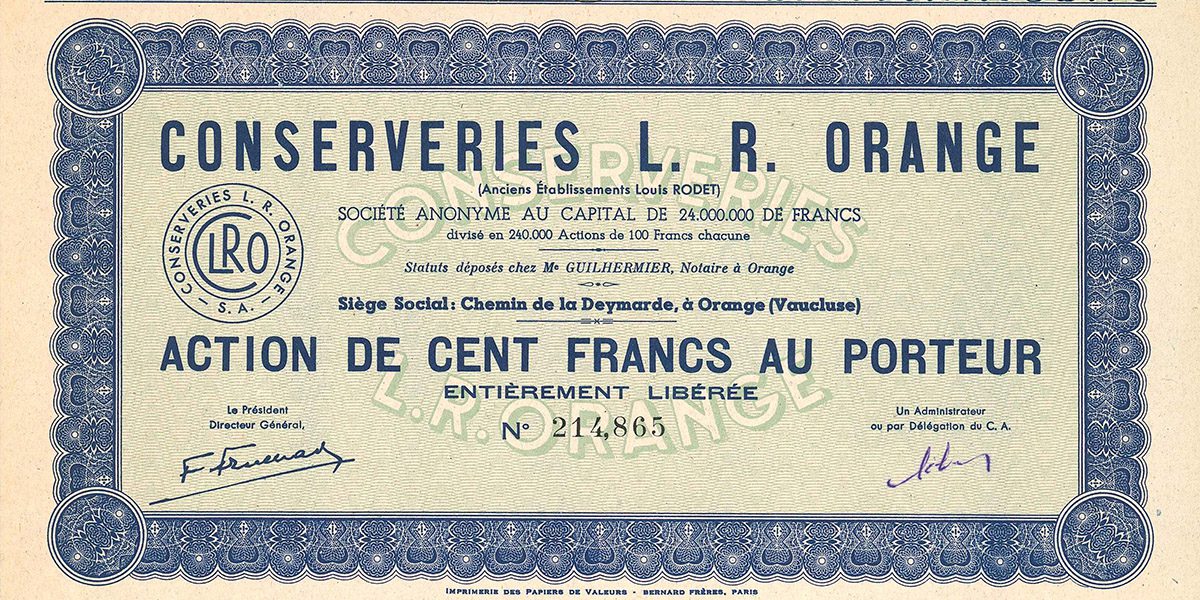
These nationalizations were part of a broader program to reorganize banking activity, granting the state a central role in steering credit and planning economic reconstruction. BNP Paribas’ predecessor banks actively participated in rebuilding cities, ports, and key sectors such as energy, steel production, and transportation. Their efforts contributed to economic recovery and anchored France within the Western bloc.
Geopolitical Reshaping and Banking Redeployment
Between the 1950s and 1970s, the rebalancing of state sovereignties profoundly transformed the global economy. The emergence of newly independent nations led to a restructuring of financial and commercial networks.
For BNP Paribas’ predecessor banks, these shifts marked a major strategic turning point. The colonial-era networks were reorganized: relocating branches, supporting the creation of national banks, and developing new expertise in international trade financing and advisory services.
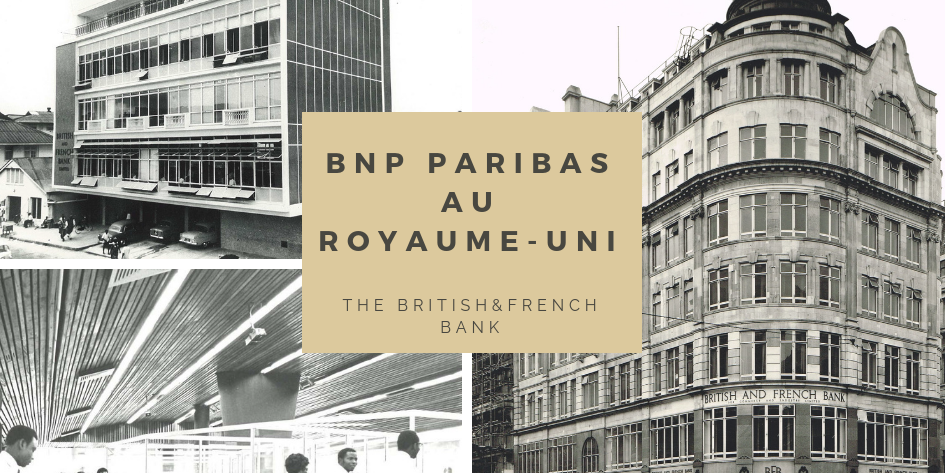
This was not a break from the past but a reorientation—transitioning from a colonial network to a structured international presence focused on emerging growth regions.
This geographic adaptability laid the foundation for the French bank’s enduring global footprint.
Available soon :
BNP Paribas in a Reconfiguring World (1955–1970)
European Integration, Growth, and Banking Modernization
In Western Europe, cooperation became a driver of economic stabilization and expansion. The establishment of the European Coal and Steel Community (ECSC, 1951) and later the European Economic Community (EEC, 1957) created an integrated market fueled by the strong growth of the Trente Glorieuses (postwar boom). Intra-European trade intensified, businesses expanded continentally, and financing needs diversified.
Banks supported this momentum by facilitating cross-border trade, adapting monetary tools, and modernizing practices. Paribas, BNCI, and CNEP assisted companies engaged in this deepening integration.
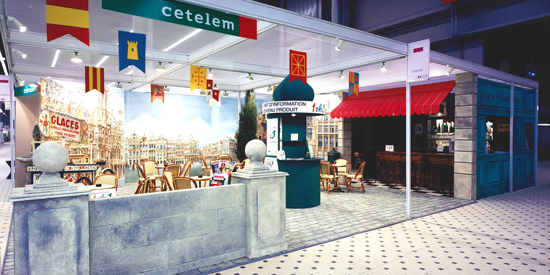
This period also coincided with profound societal changes—urbanization, rising living standards, and the spread of mass consumption—reshaping the relationship with banking. Financial inclusion advanced rapidly, and services diversified: housing loans, equipment financing, and the expansion of consumer credit through entities like Cetelem and Compagnie Bancaire.

Available soon
BNP Paribas in a Europe under construction (1958–1973)
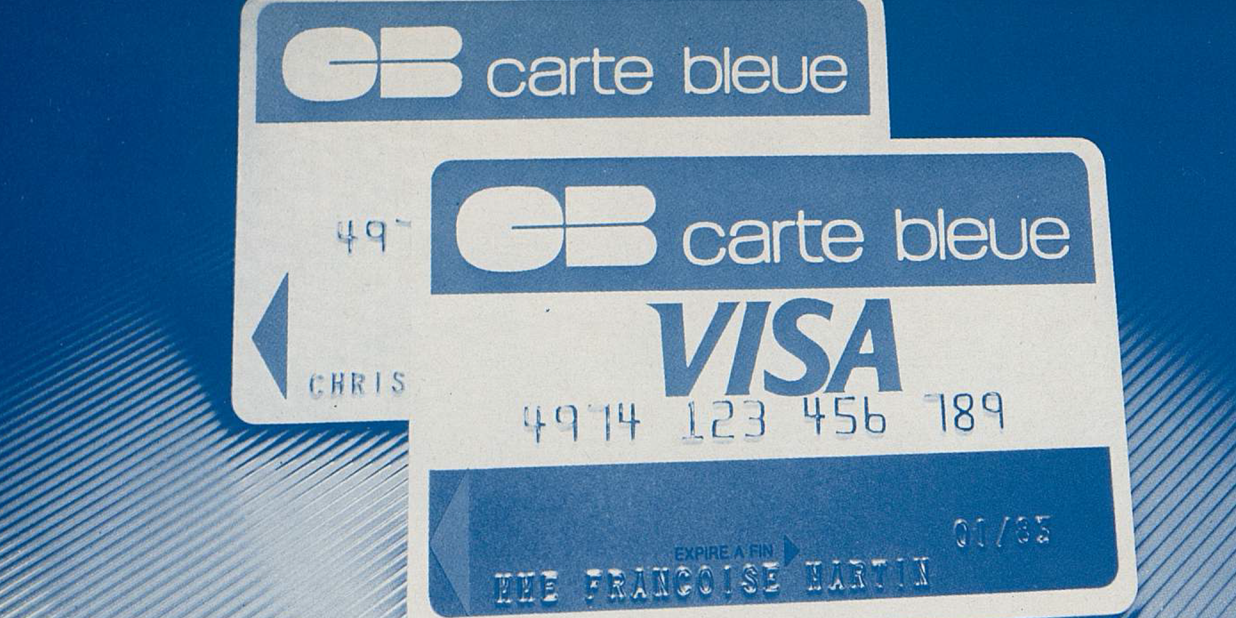
Technological innovations transformed the industry: the widespread adoption of checks, the launch of the Carte Bleue (debit card), the mechanization and gradual digitization of operations, and the modernization of branches. Banking became a localized service.

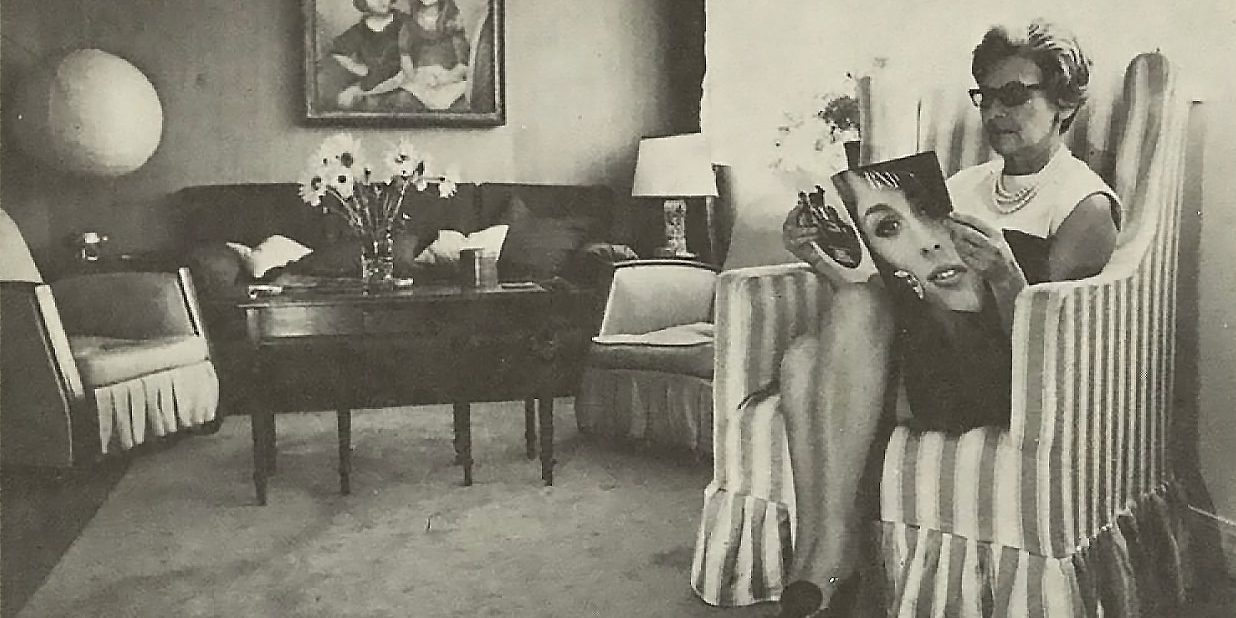
The law of July 13, 1965, granting married women full control over their accounts, marked a pivotal shift—durably altering the bank-customer relationship and significantly broadening the autonomous client base.
Banking is now fully integrated into daily life.
The Group’s Strategic Adaptation: Toward BNP and a Global Presence
In response to these transformations, BNCI and CNEP merged in 1966 to form Banque Nationale de Paris (BNP), while Paribas continued its international expansion.
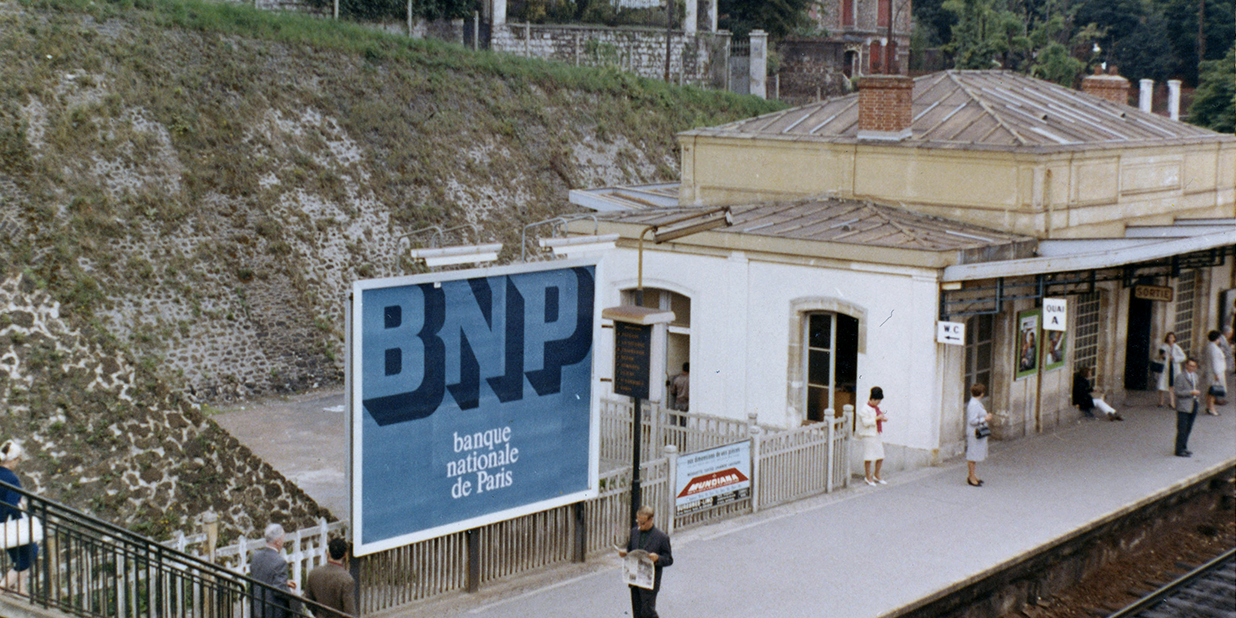
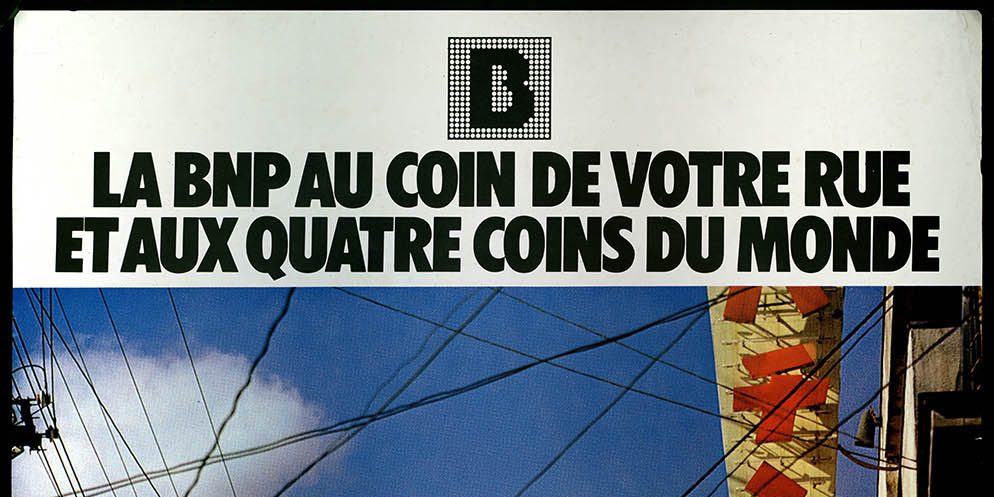
The strategy of these two predecessor banks rested on three complementary pillars:
1. Supporting France’s economic modernization through corporate financing and participation in public development policies.
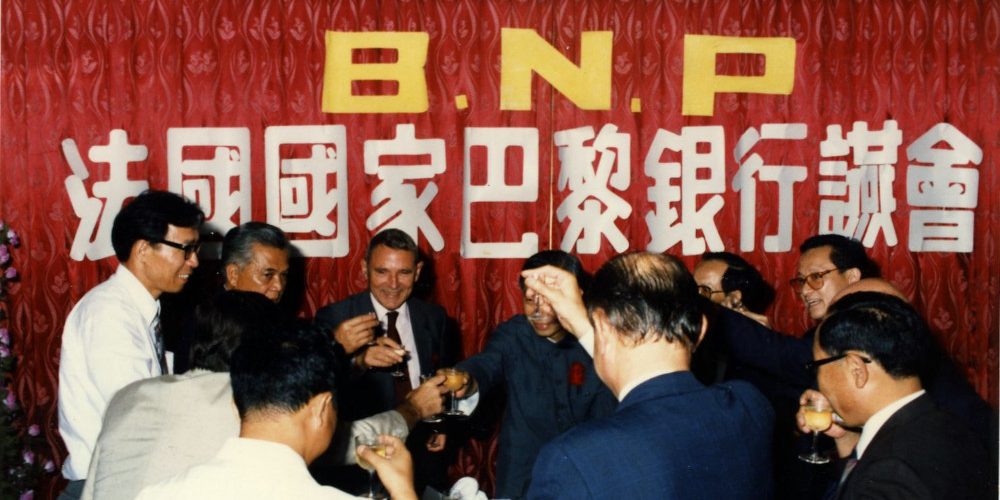
2. International redeployment, with expanded or strengthened operations in Europe, the United States, Latin America, the Middle East, and Southeast Asia.
3. Accelerated internal modernization, marked by business specialization, the growth of consumer credit, the rise of structured international financing, and the digitization of operations.
The financing of major international projects in the late 1960s exemplified this growing influence. The French bank became a fully integrated global player, capable of executing complex transactions.
This evolution was driven by continuous adaptation, led by executives who reimagined banking on an international scale. Strategic continuity and geographic reorientation combined to lay the groundwork for the Group’s future stature.



1971–1973: The Limits of the Postwar Model
By the late 1960s, tensions mounted: rigidity in the international monetary system, rising inflation, social unrest, and energy vulnerabilities. The end of dollar-gold convertibility in 1971 marked the collapse of the Bretton Woods system, while the 1973 oil shock ushered in a period of global economic instability.
Banks had to adapt their models to a more uncertain environment—diversifying activities, enhancing risk management, and establishing new financial equilibria. A new era had begun.
A Legacy That Still Shapes the Present
The period from 1945 to 1973 was foundational for the contemporary banking landscape. The structures, practices, and strategies developed during this time continue to define the role of banks in today’s world, now facing new geopolitical, monetary, and economic uncertainties.
Revisiting these decades offers insight into how the frameworks shaping today’s economic landscape were forged.


