Floating Hotels on the Rhine
In the 1960s, Banque de Paris et des Pays-Bas (Paribas) discovered an original investment project: building floating hotels to sail along the Rhine. River cruises were then experiencing a meteoric rise, and the Rhine Valley was attracting many tourists. However, no cruise ship was operating under the French flag. Paribas therefore took the helm of the project and studied its financing. Would the allure of floating hotels win over the investment bank?
What if the Rhine became a luxury cruise destination?
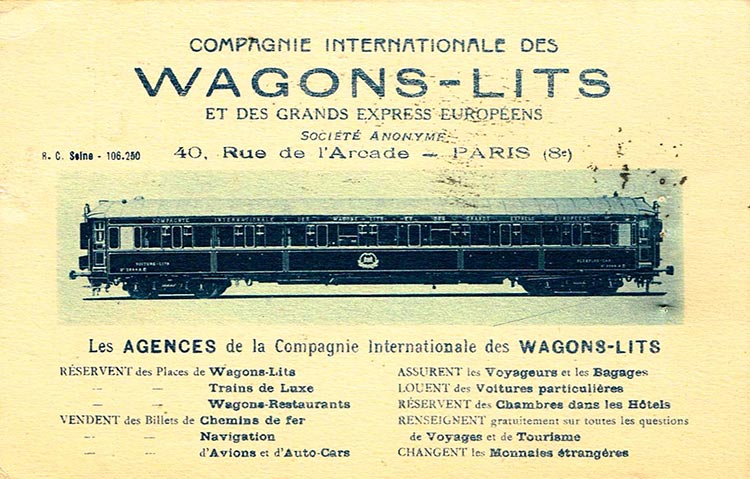
Paribas financed numerous real estate projects worldwide through BPPB IMMO, its dedicated subsidiary. Between the 1950s and 1970s, the bank examined hundreds of projects. In 1962, it received a proposal from Compagnie Internationale des Wagons-Lits, one of its historical partners. In collaboration with regional stakeholders (the Autonomous Port of Strasbourg, the French Rhine Navigation Community, and the General Tourism Commission), the company indeed wanted to launch a luxury cruise on the Rhine. Dutch shipowner De Biesbosch was chosen to build the cruise ships. Together, they invited Paribas to join this bold adventure.
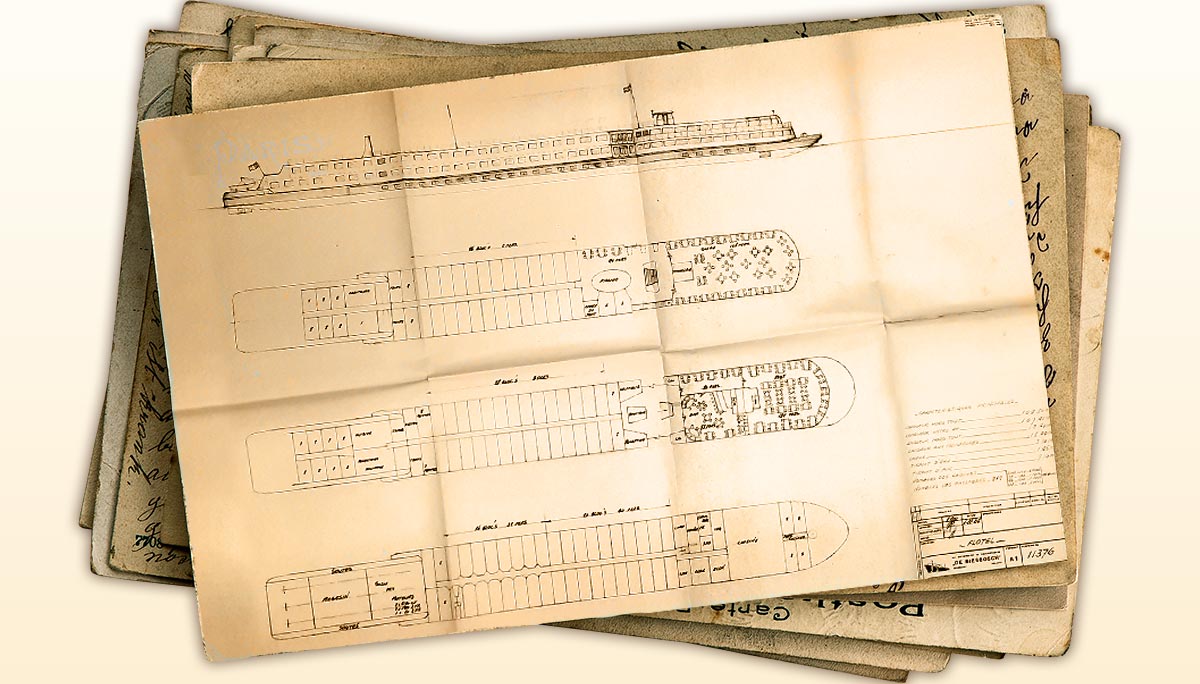
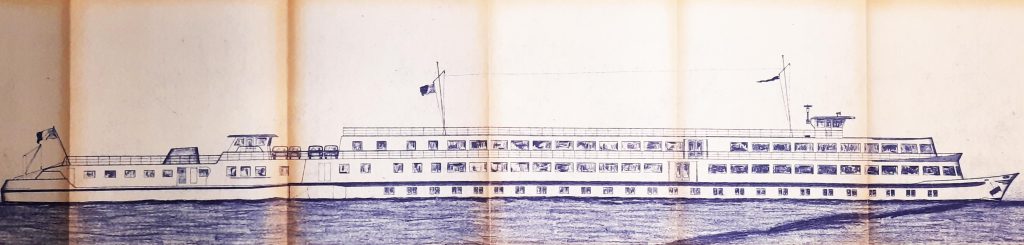
Why was this floating hotel project unique? Imagine a cruise ship… on a river… pushed by another boat! Indeed, this cruise took place on a “pusher hotel ship” 140 meters long, traveling the Rhine. It was a true luxury hotel offering entertainment, relaxation, and discovery to its passengers.
However, challenges abounded. Between technical constraints, logistics, and economic viability, many questions arose: Which port could accommodate it? What quay length would allow it to dock? What tourist outings should be organized? What fare should be charged for a luxury cruise in a highly competitive environment? And above all: did a clientele exist for this type of travel?
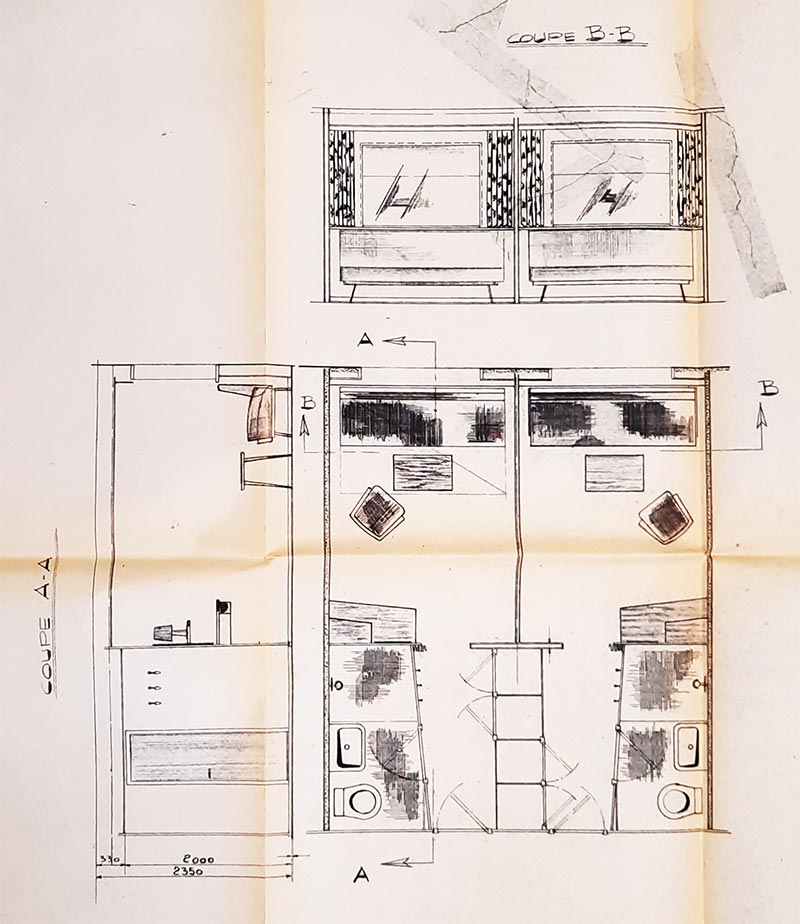
The goal was to launch the ship in spring 1965 after 15 months of construction. The amenities included a restaurant seating 160 to 170, large passenger cabins, a library, a bar, a kitchen, and a swimming pool. Soundproofing the engine room was essential to ensure passenger comfort. Another innovation for the time: each cabin would have a telephone, thanks to Wireless Telegraphy (TSF), which was then booming.
To design this ship, the shipowner drew inspiration from its existing 88 and 110-meter models. And to verify the compatibility of its unusual dimensions with the river’s constraints, it even built a full-scale mockup. But was this project still viable?
Paribas’ analysis: between ambition and pragmatism
To study this project, Paribas formed a banking group with Crédit Lyonnais, Société financière de gestion et d’investissements immobiliers et hôteliers (SOFITEL), Banque fédérale rurale, Société générale alsacienne de banque, and Crédit industriel d’Alsace et de Lorraine. Société alsacienne de développement et d’expansion and Continental Trailway joined them, and together, as early as 1963, they created the Société d’études pour le développement du tourisme fluvial (Flotel).
Flotel then launched a major market study and surveyed a panel of clients. The results revealed a niche clientele, established competition, a concept that needed promotion, and therefore high advertising costs. Comparing this data with the shipowner’s 46-page estimate, the conclusion was clear: the project seemed too ambitious.
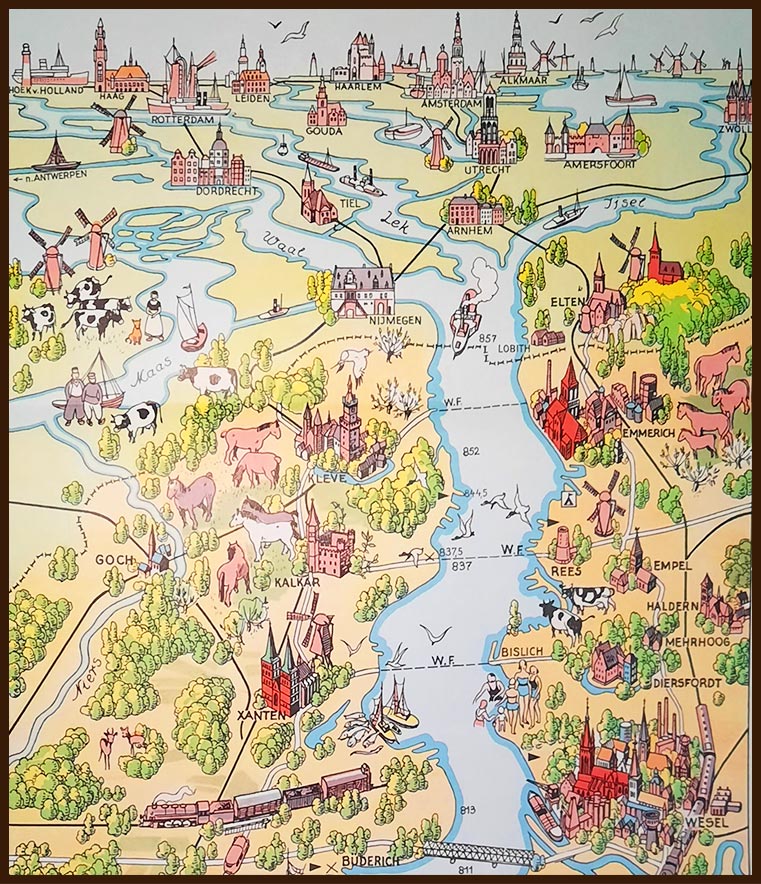
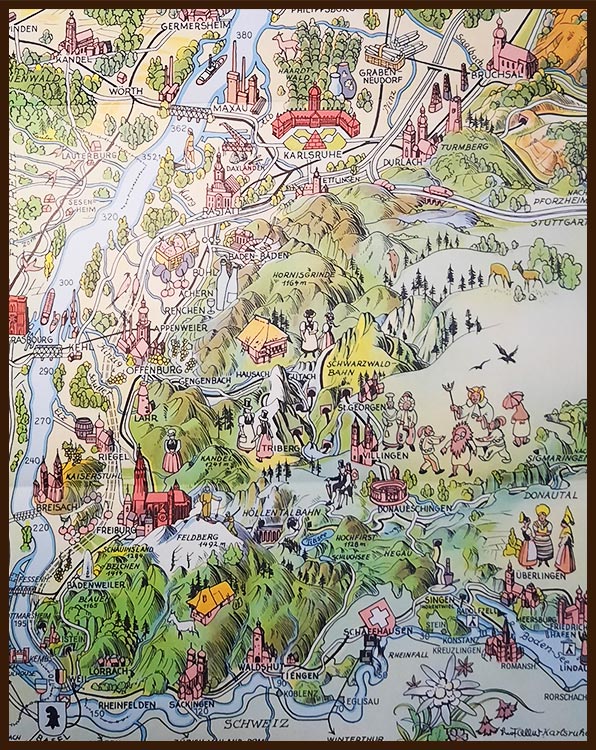
In 1964, the shipowner and Flotel collaborated on a scaled-down version. The shipowner reduced the ship’s size by 20 meters and revisited the materials used. Flotel also adjusted the amenities: French bidets replaced showers to save space in the cabins. The pool would only be heated to 18°C when the outdoor temperature reached 12°C. The study company also rethought the travel offer with a Rotterdam-Basel route of 5 days outbound and 4 days return, at a fare of 993 francs per person (excluding drinks, excursions, and tips).
Although the concept of a Rhine cruise seemed attractive, Paribas had to decide quickly. The second project was presented to organizations likely to grant subsidies. Flotel approached Caisse des Dépôts et Consignations for financial participation. Paribas, for its part, consulted Dutch investors experienced in financing this type of cruise. The latter simply advised against operating a floating hotel, as the competition was already struggling to survive.
In April 1965, the decision was made: the project had to be reconsidered on “more modest bases.” Perhaps even by removing the pusher, whose cost weighed too heavily in the budget. After all, other projects, far more audacious than floating hotels, had eventually succeeded.


Did you enjoy this story ?
This selection of articles might also interest you!