France vs England Match: When BNCI Played Against Midland Bank
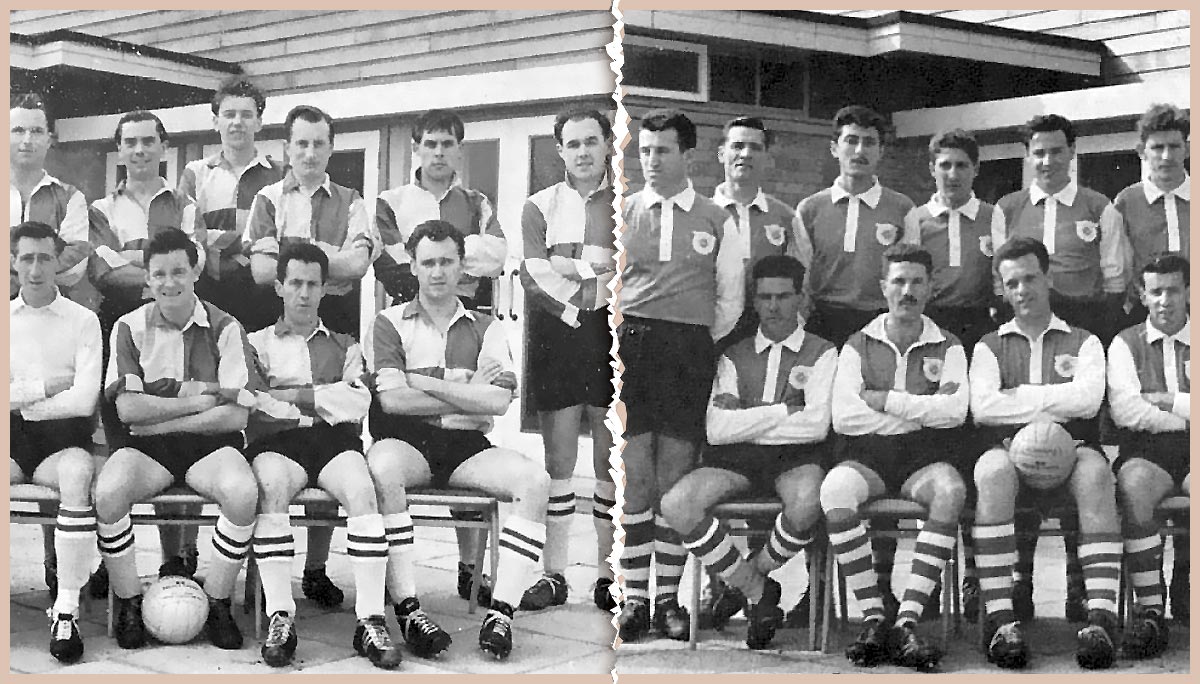
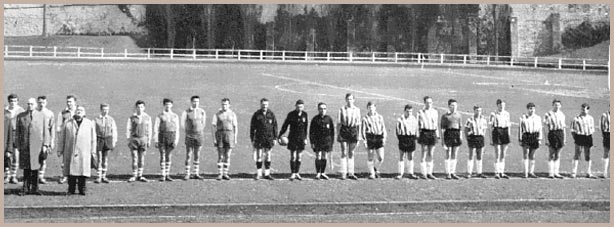
In 1950, employees of BNCI and Midland Bank faced each other on the fields of Louveciennes and New Beckenham. Behind these sporting encounters, organised by their respective clubs, lies a much greater story: that of the presence of French banks in London, of the British & French Bank – a symbol of Franco-British ties – and of a tradition where sport, since the 1920s, has strengthened cohesion and the image of financial institutions.
The Kick-Off: Sports Clubs in the Service of Franco-British Relations
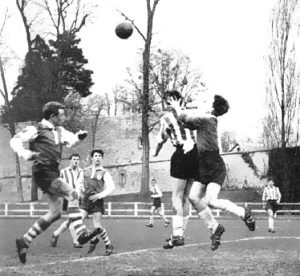
Louveciennes, spring 1950. The brand-new Parc des Sports echoes with the first whistle of a friendly match pitting the football and tennis teams of the Club Amical et Sportif (CAS) of the Banque nationale pour le commerce et l’industrie (BNCI) against those of the Sports Association of Midland Bank. A tradition was born: every year, these clubs organise interbank championships, blending sporting rivalry with a spirit of camaraderie.
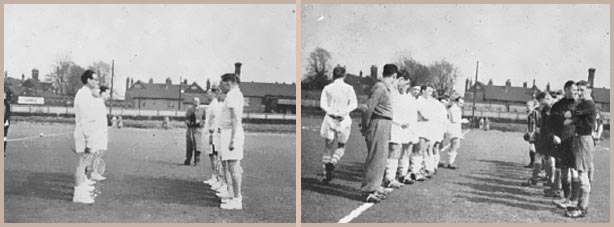
As the Marquis of Linlithgow, Chairman of Midland Bank in 1951, noted: “Each side is torn between the desire to see its teams win and the equally strong desire not to see its guests defeated.” Under the watchful eyes of directors and figures from the City – including representatives of the British & French Bank – supporters vibrate to the rhythm of the ball, united by fair play.
But beyond the pitches of Louveciennes or New Beckenham, these sporting exchanges reflect a much broader history: that of the presence of BNP Paribas’ ancestor banks in the United Kingdom.
The British & French Bank: The Franco-British Financial Standard-Bearer
As early as 1938, BNCI opened its first branch in London. In 1947, it transformed its branch into a subsidiary: the British & French Bank (for Commerce and Industry) Limited. The goal: to develop exchanges between the sterling and franc zones, and to offer services to French companies wishing to establish themselves in the United Kingdom.
This subsidiary quickly became a key player in economic relations between the two countries, facilitating international trade and foreign exchange operations. In 1960, during a match in London against Martin’s Bank, the stands welcomed figures from the City and the British & French Bank – proof that sport and finance have always been linked in this history.
Sport and Finance: A Tradition Still Alive Today
The matches between the CAS of BNCI and the Sports Association of Midland Bank were not isolated cases. As early as the 1920s and 1930s, BNP Paribas’ ancestor banks made sport a lever for cohesion and representation. The Paribas Athletic Club (PAC), founded in 1921, offered its employees a variety of activities: football, tennis, athletics. A tradition taken up by the CAS of BNCI, created in 1925, which organised Inter-CAS Challenges to stimulate emulation between teams.
Beyond leisure, these clubs embodied a corporate culture where sporting competition reflected values of self-improvement and performance. After the merger of BNCI and CNEP in 1966, the Amicale Sportive et Culturelle (ASC) of BNP continued this spirit, organising internal competitions and matches with foreign banks.
Also read :
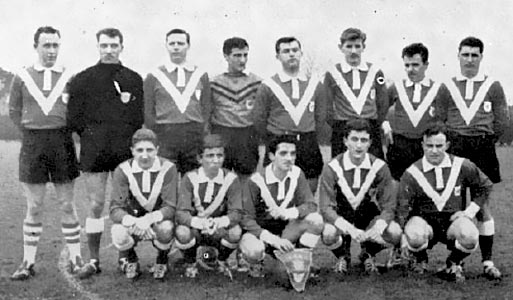
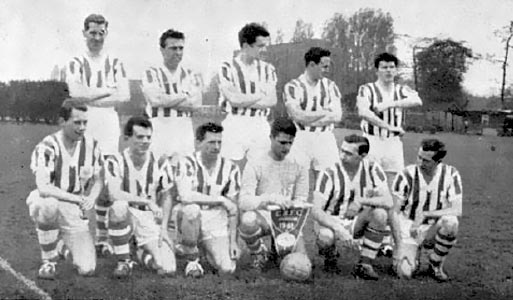
Today, BNP Paribas perpetuates this history, notably through internal sporting events or its involvement in international tournaments. London, where nearly 6,000 employees work, remains a second headquarters for the Group. A presence that continues the legacy of its financial heritage, while sporting exchanges, like those of the 1950s, have helped strengthen human ties between France and the United Kingdom.


Did you enjoy this story ?
This selection of articles might also interest you!