How can we preserve our photographic heritage?
The BNP Paribas Archives and History Department, responsible for collecting, organizing, disseminating, and promoting the Group’s historical archives, preserves approximately 7 linear kilometers of records, including a photographic collection of around 24,000 images. Over time, some of these visual materials have begun to deteriorate at an accelerated pace, jeopardizing decades of visual history. How is the department addressing this challenge to safeguard this invaluable heritage?
In response to the deterioration of part of its photographic collections, the BNP Paribas Archives and History Department commissioned an expert assessment in 2024 to better understand the causes and obtain guidance on preserving these materials. This led to the involvement of Gwenola Furic, an expert in the conservation and restoration of photographic heritage.
Her study of the Group’s photographic archives provided both a diagnosis of the issues and a comprehensive action plan to safeguard this endangered heritage.
Endangered images
Among the most fragile materials in the collection are flexible-base negatives and slides—thin plastic film strips that, beginning in the 1880s, replaced glass plates as a support medium, largely due to advancements in chemistry.
The issue: the materials used, such as cellulose nitrate and cellulose acetate, are inherently unstable.
Cellulose nitrate: an inevitable self-destruction

Cellulose nitrate negatives, used between 1890 and 1950, are highly flammable and can release toxic gases.
The fumes released by severely degraded negatives are so corrosive that they can destroy nearby photographic materials, their containers, and even damage storage furniture!

« Nitrate is such an unstable material that storing large quantities in unsecured locations can be hazardous. Its decomposition is inevitable: it must either be treated or safely destroyed in a controlled manner. »
— Gwenola Furic, photographic conservation expert
Cellulose acetate: this invisible enemy
Cellulose acetates, used in supports from the 1930s onward, also cause deterioration phenomena. They can be identified once they have entered the degradation phase by a pungent vinegar-like odor, deformations, and sometimes a bluish tint that spreads across the images. In total, around sixty negatives exhibit this type of degradation. Within the same batch, some appear to deteriorate more rapidly than others. It is only a matter of time before the entire collection is affected!

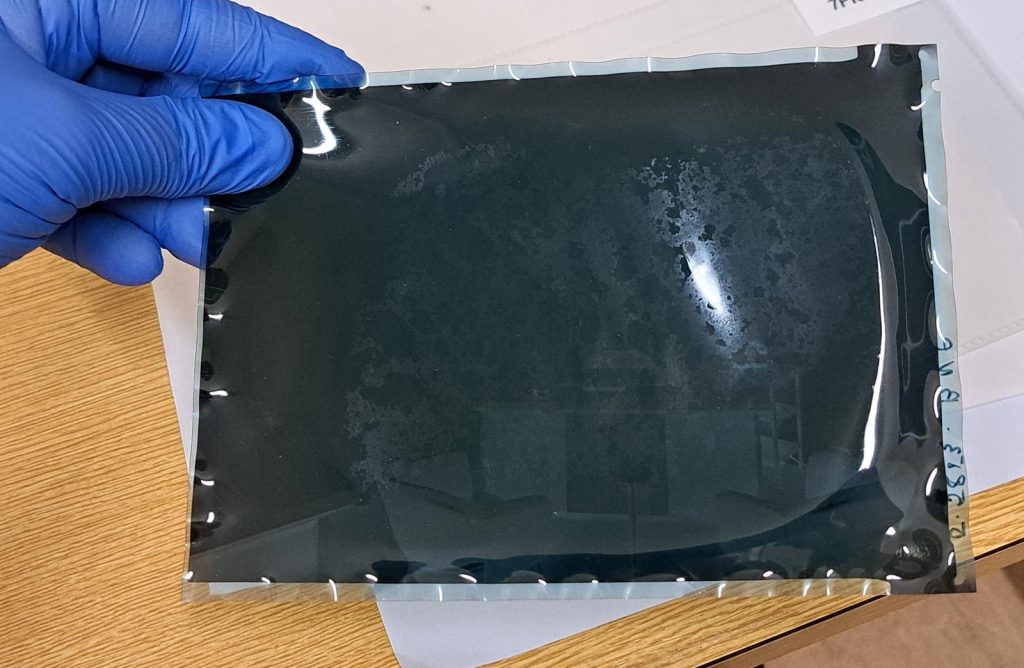
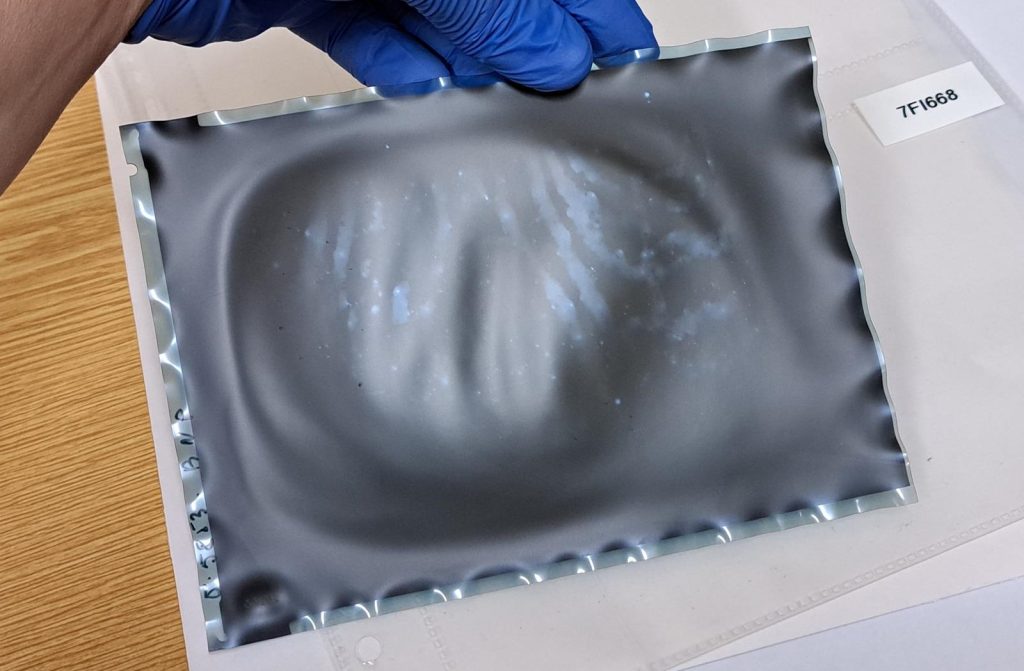
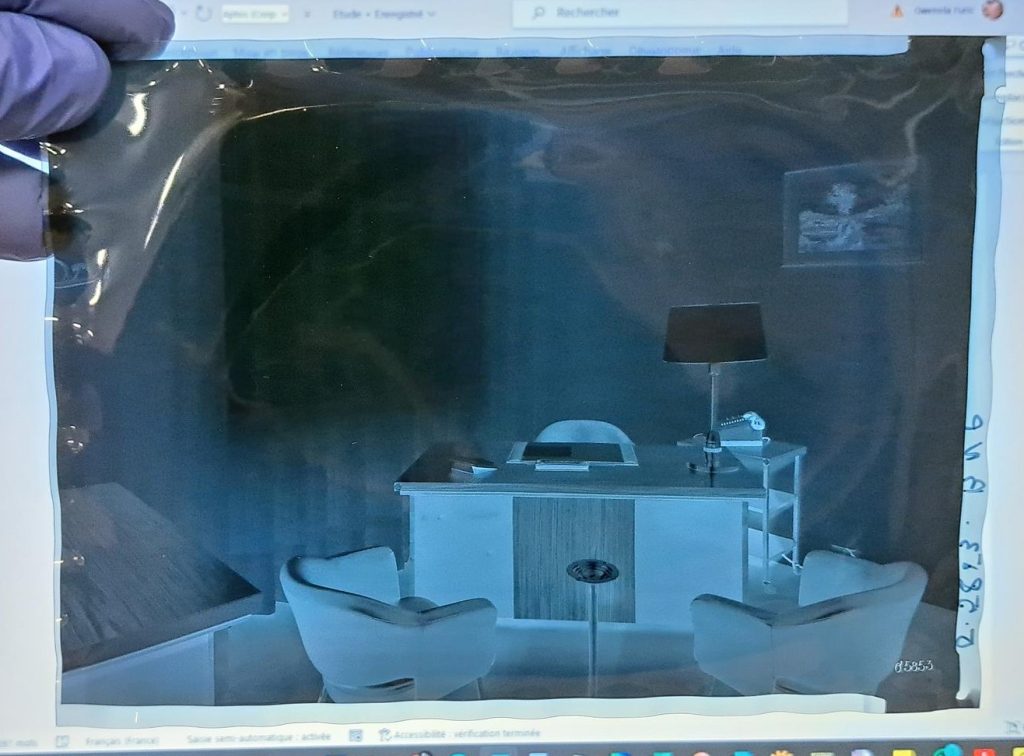
Equally concerning: these phototypes contaminate their surroundings. The acidic emissions they release can degrade—and even destroy—neighboring images, corrode containers, and even damage storage furniture. A vicious cycle that threatens the integrity of entire collections.
But also light, heat, or simply the passage of time

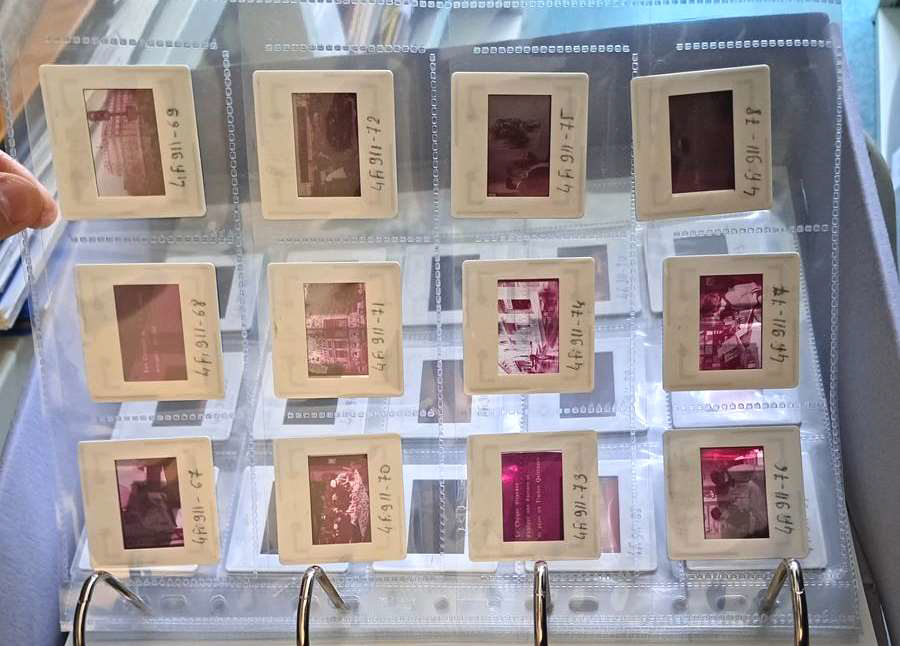
Color slides suffer from another plague: discoloration.
Even when shielded from light, their dyes can weaken over time, distorting the colors until the images become unrecognizable.
Solutions to preserve this heritage
In response to these threats—and guided by the expertise of Gwenola Furic—the Department has launched an active preservation initiative. Here are the priority actions it has chosen to implement:
✔️ Repackaging to safeguard
- Replace plastic sleeves (which worsen degradation—even when using archival supplies—due to confinement) with permanent, neutral, and stable paper envelopes.
- Isolate degraded phototypes in suitable, labeled containers for precise monitoring.
- Clean and stabilize glass plate negatives, which are vulnerable to dust and mold.
✔️ Digitize to preserve and share
High-resolution digitization (TIFF format) is a key tool for:
- Preserving images before they deteriorate beyond recovery;
- Sharing this heritage with the public without risking damage to the originals;
- Restoring lost colors using retouching software (for faded slides).
Digitizing gives these archives a second life while enabling their study and promotion. However, this does not eliminate the need to preserve the originals whenever possible.
✔️ Cold storage to slow down deterioration
For the most fragile materials, a radical solution: low-temperature storage (between 2°C and 5°C, or even freezing). This method, adopted by leading museums, slows down the chemical reactions responsible for degradation.
✔️ Train and raise awareness
Preserving this heritage also depends on training teams in best handling practices (wearing gloves, identifying signs of degradation).
The case of photographic albums
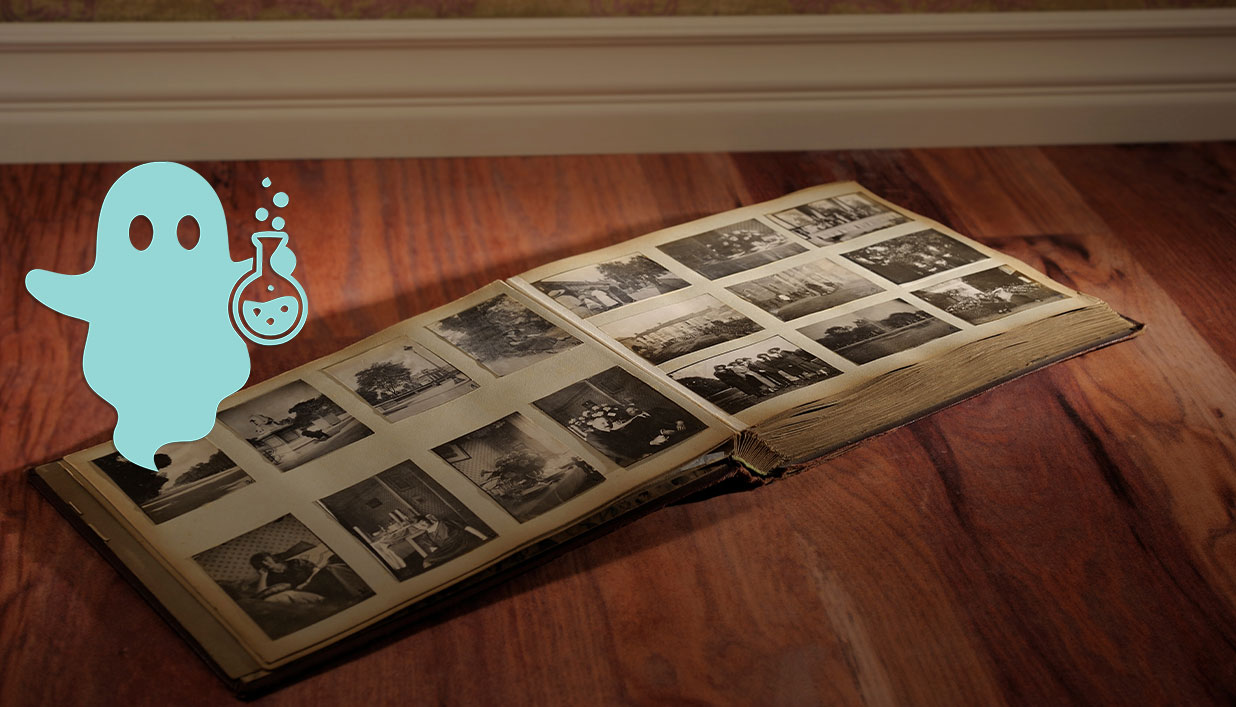
Among the “treasures” of the BNP Paribas archives, photographic albums hold a special place. Some, such as the one documenting the development of the Oued El Abid in Morocco in 1949, are true heritage assets, where the sequence of images and annotations carry valuable information.
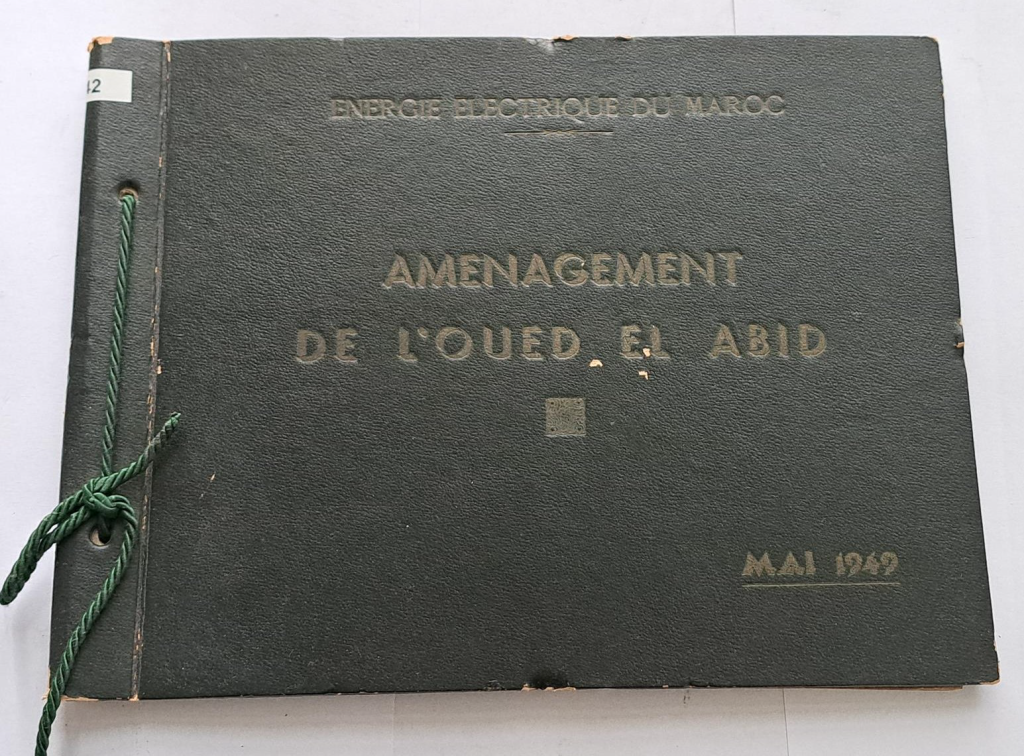
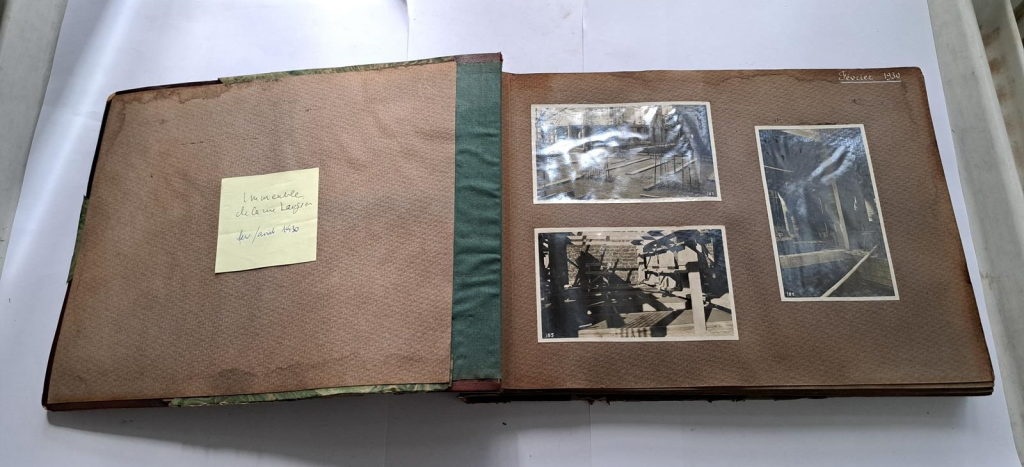
Others, more recent, present a different challenge: poor-quality materials (acidic adhesives, unstable plastics) that accelerate their deterioration. For these, a key question arises: should they be disassembled to save the images, or preserved intact despite the risks?
« Each album is a unique case. Some warrant meticulous restoration; others require disassembly to preserve the photographs individually. »
— Gwenola Furic
The photographic collections of BNP Paribas are fragile, but not beyond saving. Through the expertise of professionals, innovative conservation techniques, and a strong commitment to preservation, these images stand a chance of enduring for centuries to come.
To go further:
Gwenola Furic – Conservation-restauration et recherches sur le patrimoine photographique (in French)