2 Opéra: A bank at the heart of Paris and its history
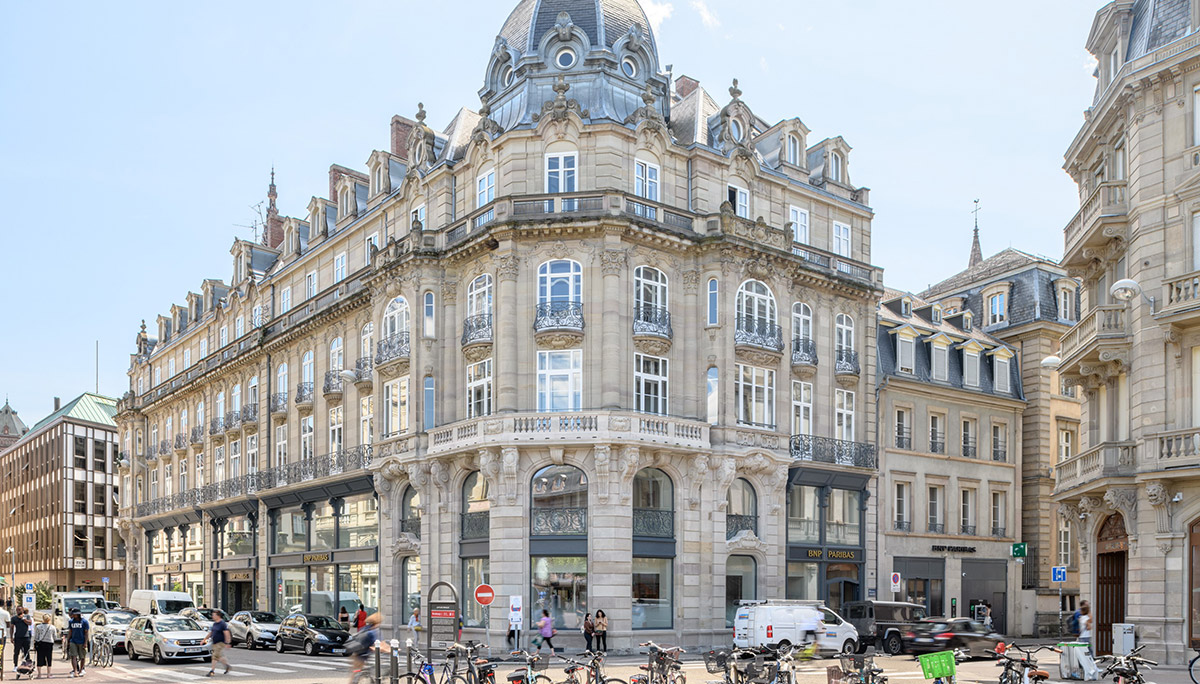
At the corner of Place de l’Opéra, Avenue de l’Opéra, and Rue du Quatre-Septembre, 2 Opéra stands as a landmark in the Parisian landscape. Behind its ordered façade and corner rotunda, the building is steeped in a long history, shaped by the urban, economic, and political transformations that have marked Paris and France since the 19th century.
From the headquarters of a 19th-century deposit bank to BNP Paribas Wealth Management’s Centre Opéra, 2 Opéra has evolved in form, function, and branding. It has endured crises, wars, banking reorganizations, and shifts in customer relations. For over 150 years, this address has remained a banking hub at the heart of Paris, connected to the city and its clients.
A Building Born from Haussmann’s Paris
The building emerged during the great Haussmannian transformation. The decree of September 29, 1860, established the new Opéra district, designed as one of the centers of modern Paris.
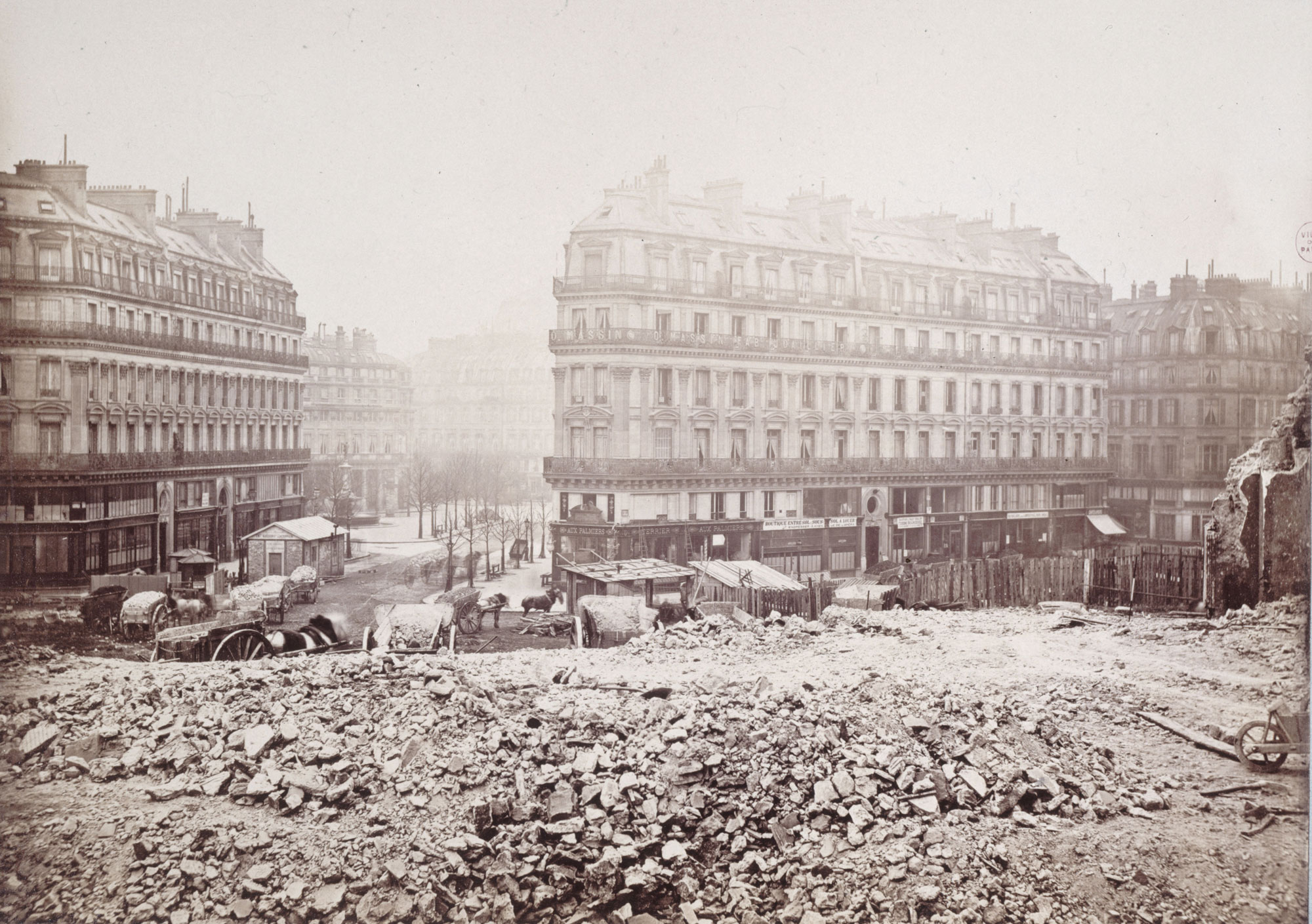
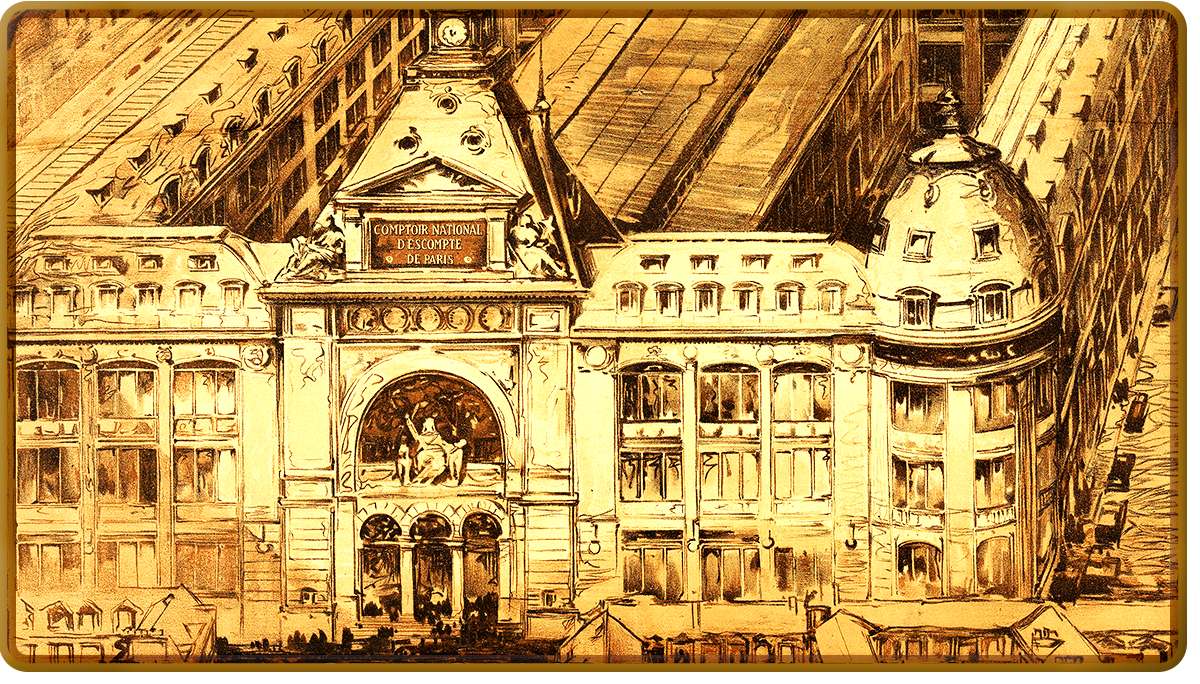
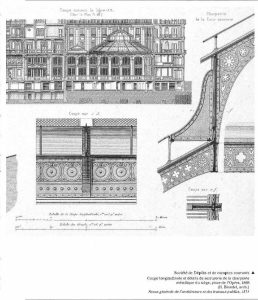
In 1868, banker Armand Donon commissioned architect Henri Blondel to construct the headquarters of the Société de Dépôts et de Comptes Courants at 2 Place de l’Opéra. The project adhered to the urban constraints of the district: strict height limits, precise alignment, and harmonious integration with the square and avenue.
Blondel designed a building that was both functional and prestigious, featuring a monumental entrance hall, a large central hall covered by a glass roof, teller counters, offices, and apartments for executives. From the outset, 2 Opéra was conceived as a visible banking space, organized to welcome the public and embody the bank’s presence in the city.
The Société de Dépôts et de Comptes Courants : An Early Banking History
In September 1869, the Société de Dépôts et de Comptes Courants moved into its new premises. Founded in 1863 by Armand Donon, this bank specialized in deposit collection, current accounts, and banking services for both individuals and businesses, contributing to the modernization of credit under the Second Empire. The choice of location was strategic. Situated at the heart of the new Opéra district, the building showcased a modern, visible banking institution directly engaged in the country’s economic dynamism.
This first chapter ended abruptly in the early 1890s. The Société de Dépôts et de Comptes Courants, involved in risky operations, collapsed in the economic crisis of 1891.
1892: The Takeover by CNEP
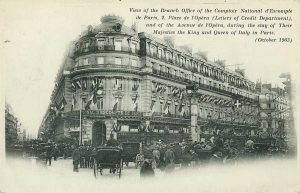
In 1892, the Comptoir National d’Escompte de Paris (CNEP) took over the building and established its Paris branch there.
Founded in 1848 to support trade and industry, CNEP was by then firmly established in national and international economic networks. By settling at 2 Opéra, it gained exceptional visibility in one of Paris’s most active business centers.
The change in branding did not disrupt the building’s function. It remained a leading banking location, now part of the network of a major Parisian financial institution.
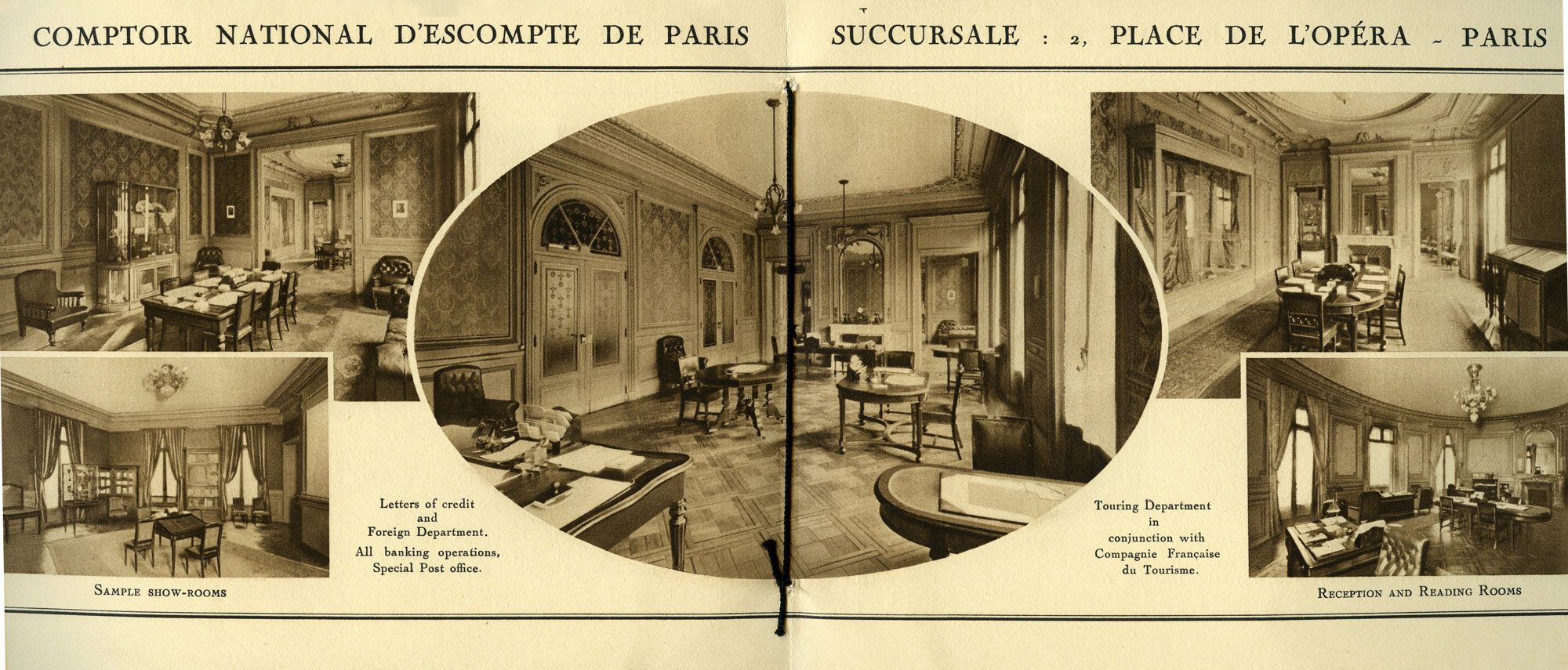
During the Belle Époque, the branch became a showcase for the bank, offering services to a diverse clientele, including foreigners: international client accounts, a documentation and sample exhibition lounge, an integrated post office, and a travel agency.
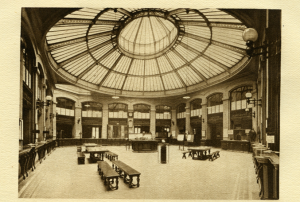
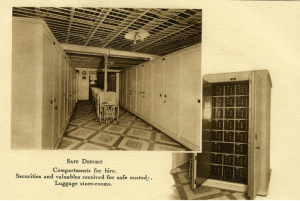
2 Opéra was both a banking branch and a service hub, adapted to the economic and social life of the district.
1918: A Patriotic Façade in the Aftermath of the Great War
In 1918, as World War I drew to a close, the façade of 2 Opéra took on new significance: CNEP displayed a monumental poster titled Alsace-Lorraine, created by Auguste Leroux and enlarged to 6 by 4 meters.
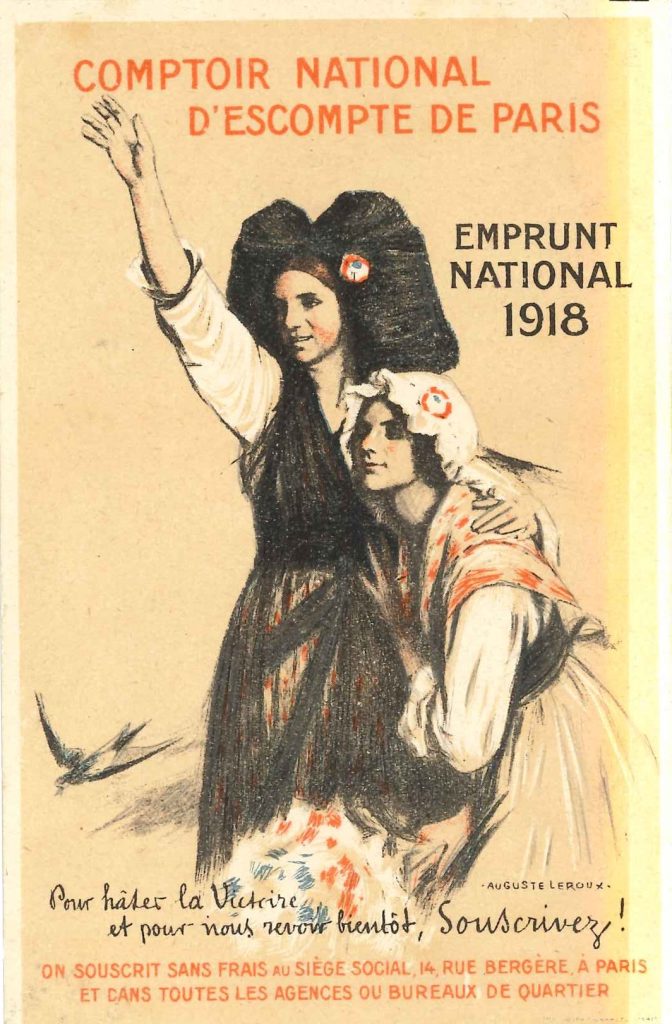
The poster was installed on the rotunda, spanning the first and second floors, alongside a banner calling for subscriptions to the National Loan.
The press praised the initiative. Le Monde Illustré of November 2, 1918, noted that “the Comptoir d’Escompte, at the corner of Place de l’Opéra, proclaims to all, through its posters, the patriotic duty of the moment.”
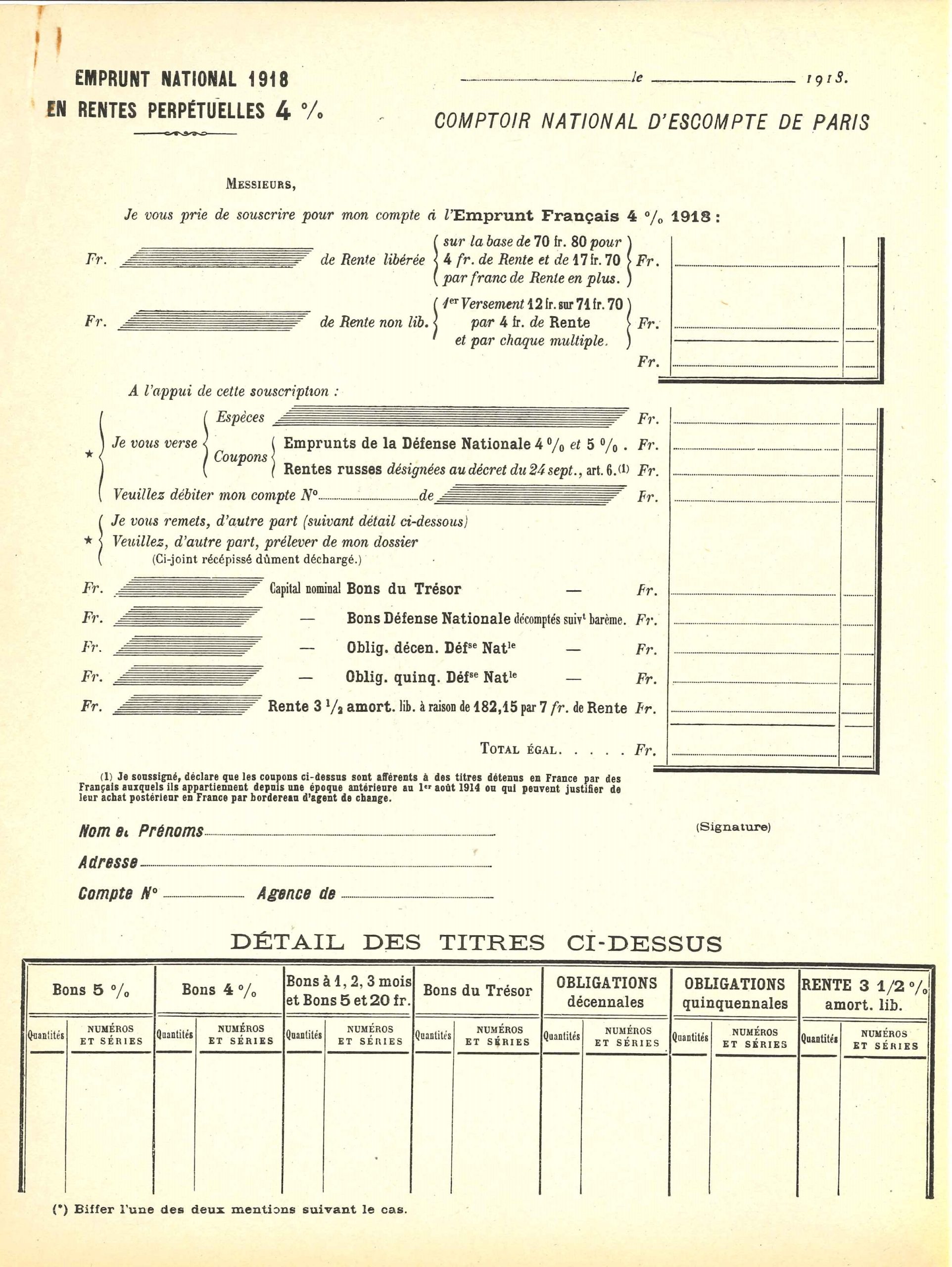
This display was part of subscription campaigns to fund the war effort and reconstruction. Banks were mobilized to gather savings. In 1918, nearly 4,000 people visited the 2 Opéra branch to subscribe to the loan.
See also :
Subscription application for the 1918 Loan (1IMP2_45)
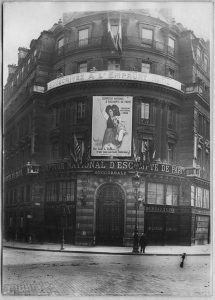
The façade thus became a visible extension of the bank’s economic role: collecting savings and transforming them into financing.
1940–1944: From the Kommandantur to Liberation
During World War II, the building’s function and symbolism shifted. From June 1940 to August 25, 1944, the 2 Opéra branch was requisitioned by the German occupiers and became the headquarters of the Paris Kommandantur.
Its central and highly exposed location made it a visible command post. The former banking space became a symbol of occupying power in the capital.
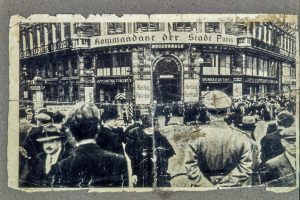
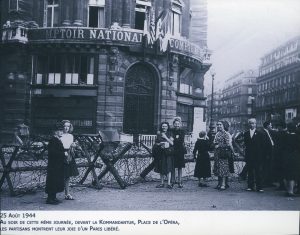
On August 25, 1944, during the Liberation of Paris, French forces attacked the Kommandantur at Place de l’Opéra.
Fighting continued until the German troops surrendered. Images from the event—prisoners, gathered crowds, views from the balconies—bear witness to this pivotal day. 2 Opéra transitioned from an Occupation command center to a reclaimed space.
Post-war : Return to Banking
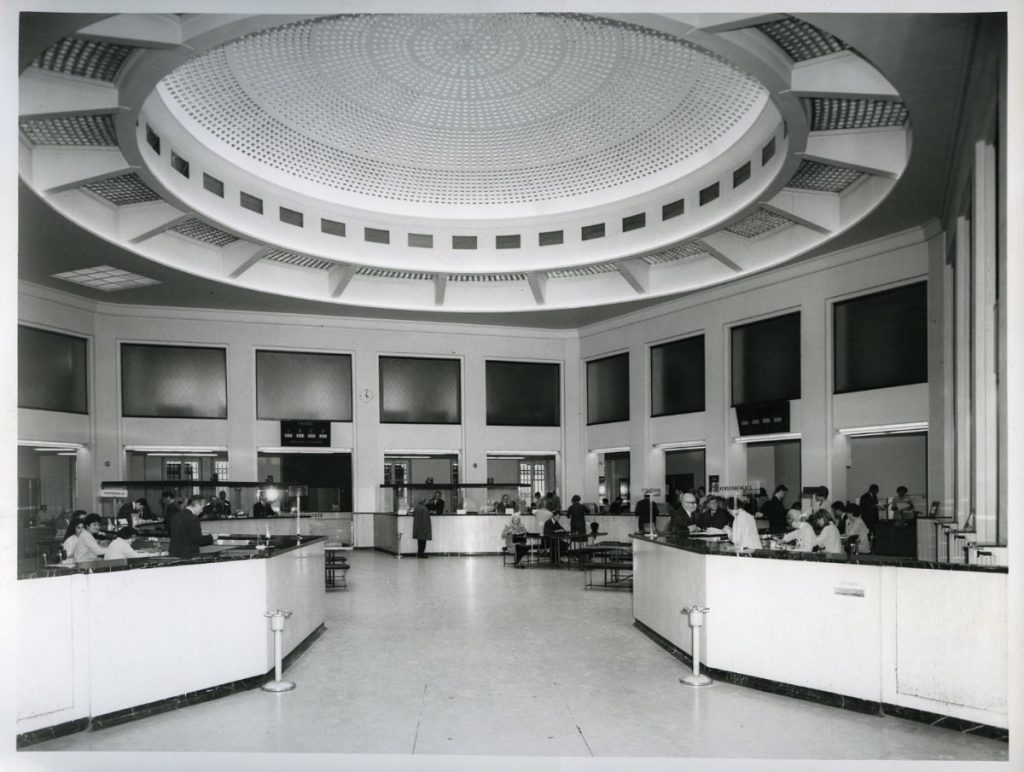
After the war, 2 Opéra resumed its banking role, remaining an active branch — a place for public reception and banking operations at the heart of Paris.
In 1954, major modernization work was carried out: the original glass roof was removed and replaced with a perforated concrete dome, allowing more abundant light.
The old furniture and counters gave way to contemporary fittings.
From CNEP to BNP Paribas: Banking Continuity
In 1966, the merger of CNEP with the Banque Nationale pour le Commerce et l’Industrie (BNCI) created Banque Nationale de Paris (BNP). This reform aimed to strengthen the solidity and operational capacity of France’s major banks. 2 Opéra became an emblematic branch — a point of contact with customers and a local relay for a now large-scale banking group.
In 2000, the merger of BNP with Paribas marked a new phase, giving rise to BNP Paribas. Through these institutional transformations, 2 Opéra retained its function: an active banking hub at the heart of the city, in direct contact with its clients.
The Concept Store: Reinventing an Old Intuition
In 2010, BNP Paribas inaugurated the “2 Opéra Concept Store” in the former branch. The space opened up to new uses: reception, information, exchanges, events, service discovery, and experimentation with new forms of public engagement.
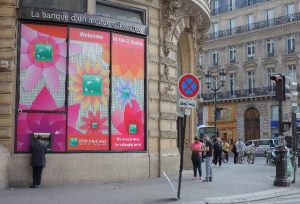
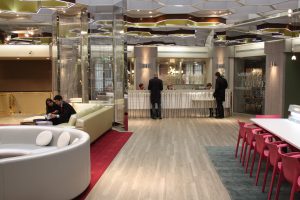
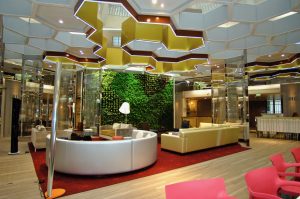
This approach built on an intuition from the 1970s, with the Champs-Élysées branch, designed as an information and banking education space. The goal was already to move beyond the counter logic and offer a place where people could come to understand, exchange, and learn. The 2 Opéra Concept Store revived this ambition in a contemporary context, adapting the branch to new customer expectations and the evolving banking profession.
Today, the site is home to BNP Paribas Wealth Management’s Centre Opéra, serving clients seeking high-value services in a space that blends architectural heritage with modern demands.


Did you enjoy this story ?
This selection of articles might also interest you!