BNP Paribas’ predecessor banks during the Cold War
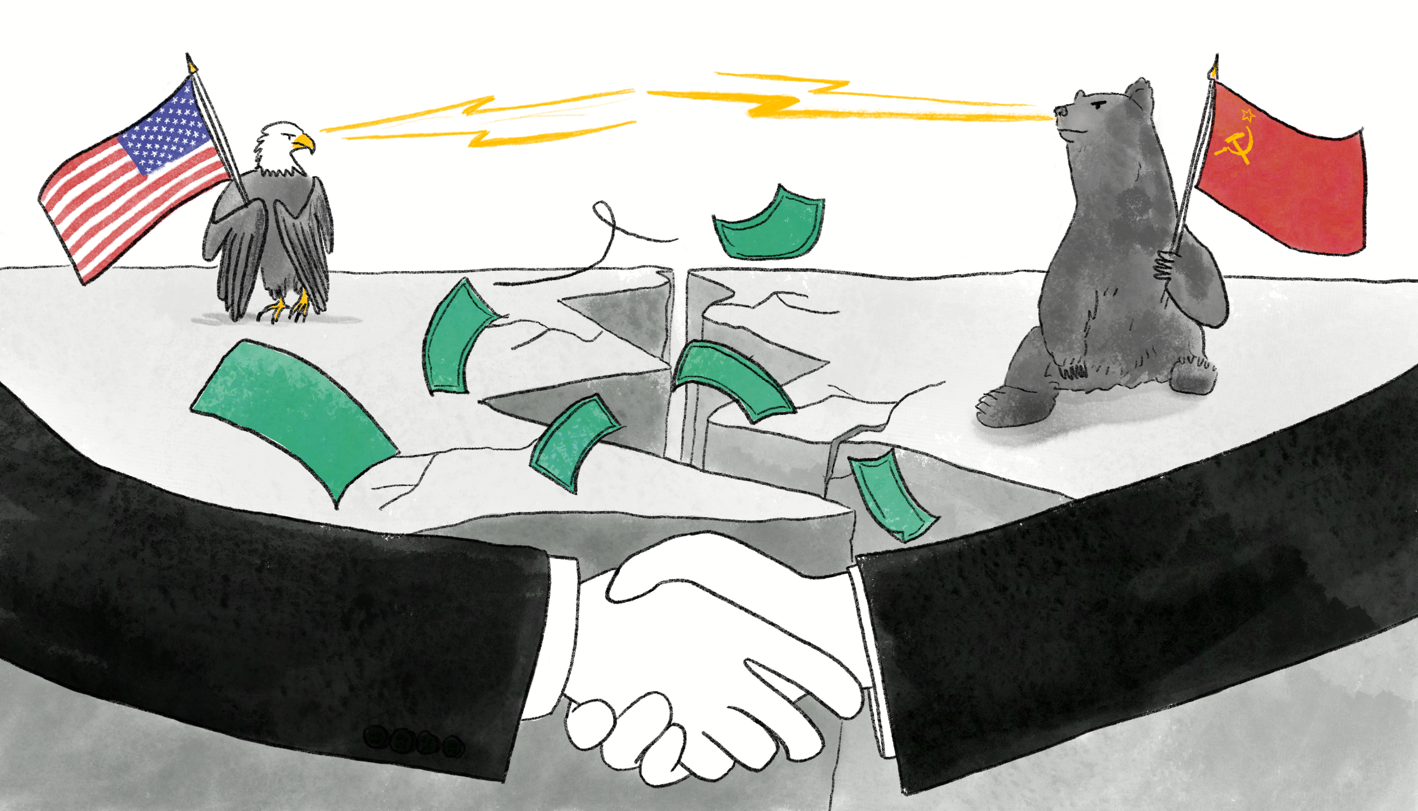
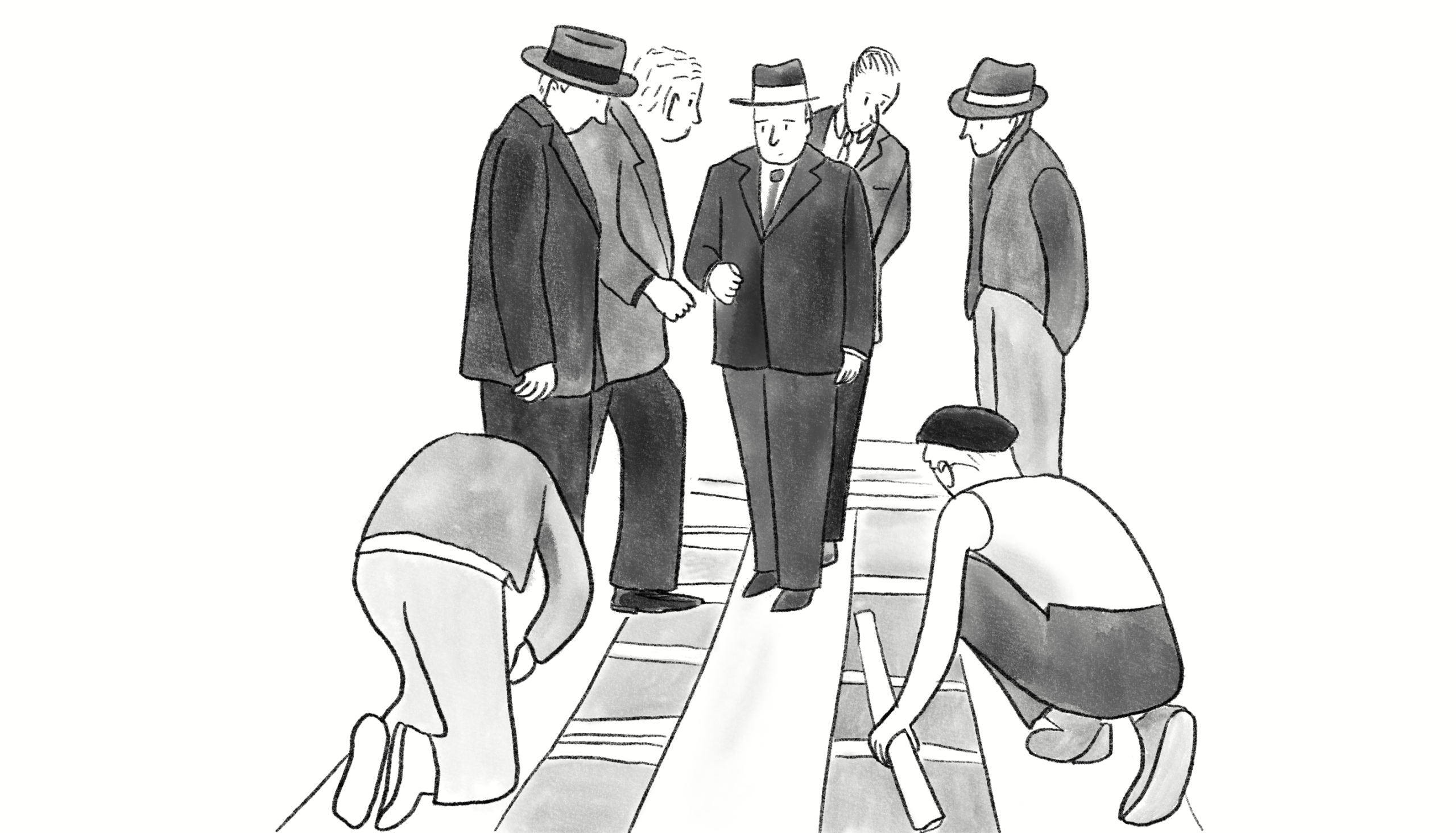
After 1945, the reconstruction of the international order did not lead to a peaceful world but instead divided it into two opposing blocs: the United States and its allies on one side, and the Soviet Union and socialist countries on the other. Europe became a primary battleground for this political, military, and ideological confrontation known as the Cold War. However, this division did not halt economic exchanges between East and West. While regulated and negotiated, these exchanges remained very real.
A closed world, but not a static one
The historical archives of BNP Paribas’ predecessor banks reveal a different story of the Cold War—not just one of diplomatic crises, but also of trade agreements, credit arrangements, guarantees, exhibitions, professional missions, and international payments.
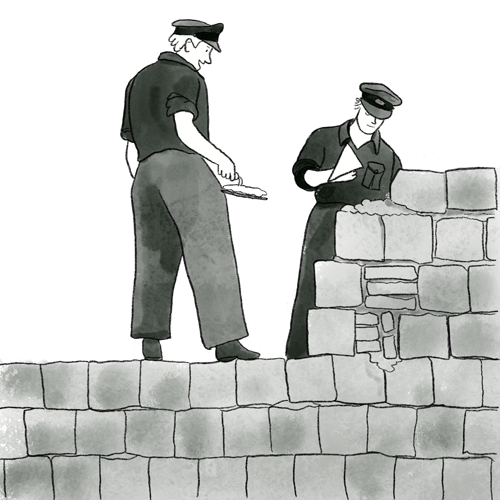
From 1947 onward, the rivalry between the two blocs shaped international relations for decades. In the West, European economies aligned with the American model through Bretton Woods institutions and emerging European cooperation. In the East, the USSR consolidated a planned economic and political system around the Council for Mutual Economic Assistance (COMECON), followed by the Warsaw Pact in 1955.
The period’s defining crises leave a lasting impression: the Berlin blockade, the Korean War, the 1956 Hungarian uprising, the building of the Berlin Wall in 1961, and the 1962 Cuban crisis—which pushes the world to the edge of nuclear war.
Yet behind these tensions, economic relations persisted.
Franco-Soviet trade operated within a long-term negotiated framework.
A bilateral trade agreement was first signed between France and the USSR in 1953, renewed in 1958 for 1960–1962, and supplemented by additional protocols from 1962 onward.
-
Russian Purchases Note, 1962
/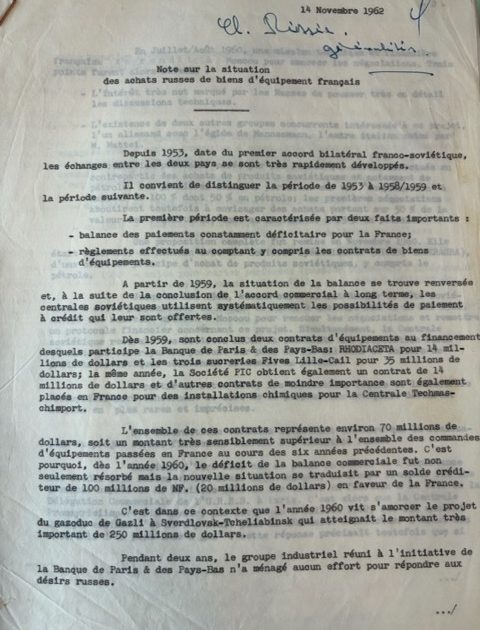
Russian Purchases Note, 1962
/ -
BNP Paribas (BPPB) and Soviet Union Financing Protocol,
/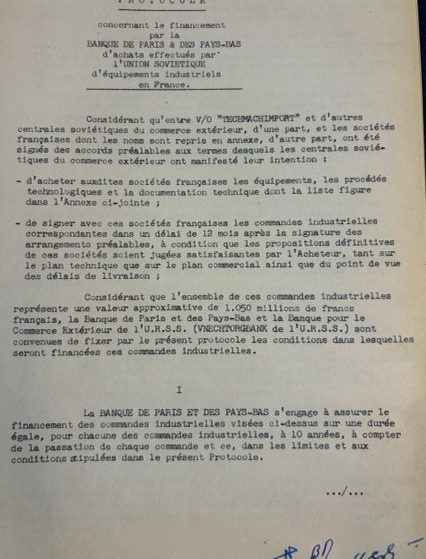
BNP Paribas (BPPB) and Soviet Union Financing Protocol,
/ -
Franco-Russian Trade Agreement, 1962
/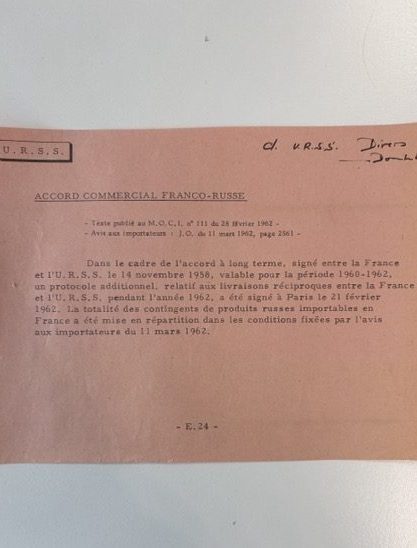
Franco-Russian Trade Agreement, 1962
/
This continuity was essential. It showed that trade relations did not resume sporadically despite crises but were based on sustained, managed agreements. Even after the Berlin Wall was built in 1961, just months before the Cuban Missile Crisis, Soviet purchases of French capital goods remained a subject of negotiation.
The Cold War did not eliminate trade with the East; it transformed it into political, administrative, and financial operations.
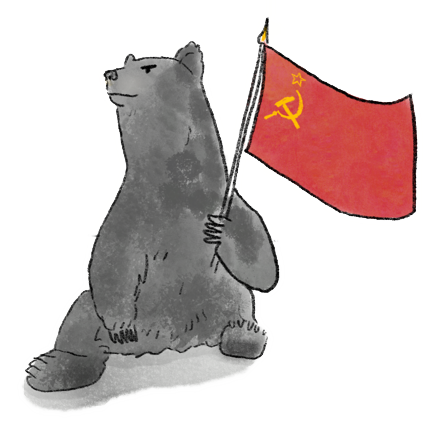
Why trade with the adversary?
Maintaining contact
These relations served mutual interests. Socialist economies gained access to Western technologies, equipment, and expertise crucial for industrial development. For French companies, Eastern markets offered significant opportunities, particularly in sectors with large, costly contracts.

(World Affairs, “France joins the East-West credit race,” August 7, 1964, BNP Paribas Historical Archives, 12AH534)
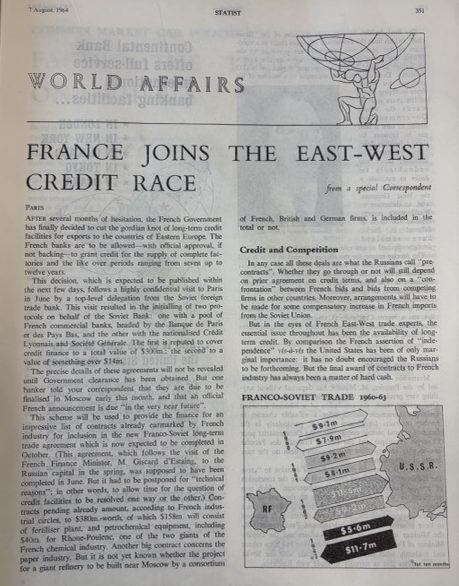
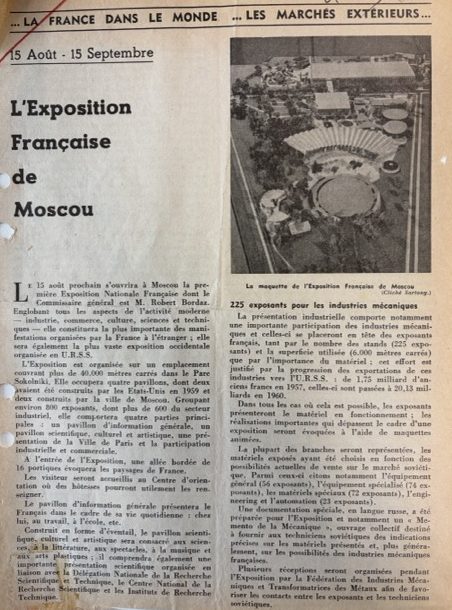
Selling to the East also requires maintaining regular contact. Connections extended beyond trade agreements and major contracts to include exhibitions, technical missions, trading companies, engineering firms, industrial representatives, and banking intermediaries.
The French Exhibition in Moscow in the summer of 1961 exemplified this commercial diplomacy. It presented France as modern, industrial, technical, and scientific. The event served as both a showcase and a prospecting platform: companies displayed products, Soviet officials identified suppliers, and intermediaries strengthened relationships.
(Press clipping, July 27, 1961, The French Exhibition in Moscow, BNP Paribas Historical Archives, 12AH546)
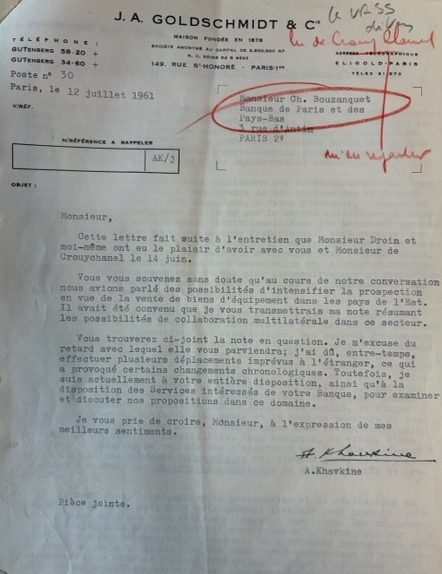
Business circles organized this prospecting methodically. In July 1961, a memo from J. A. Goldshmidt & Cie to Banque de Paris et des Pays-Bas stressed the need for multilateral collaboration in selling capital goods. It highlighted the importance of coordinating industrial firms, commercial organizations, and banks to meet Eastern market needs.
(J. A. Goldschmidt & Co, Letter dated July 12 1961, BNP Paribas Historical Archives, 12AH532)
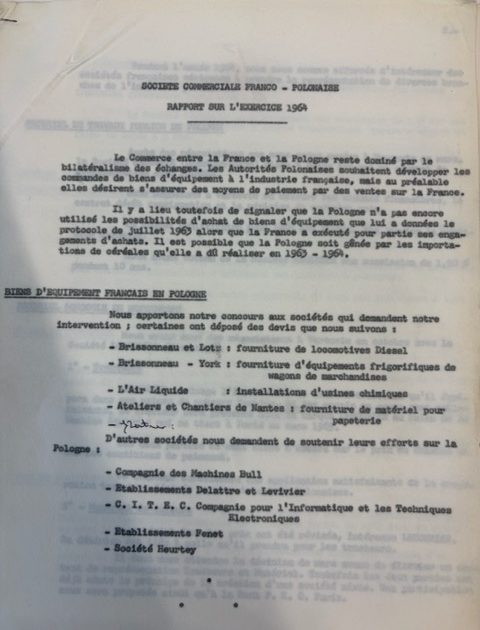
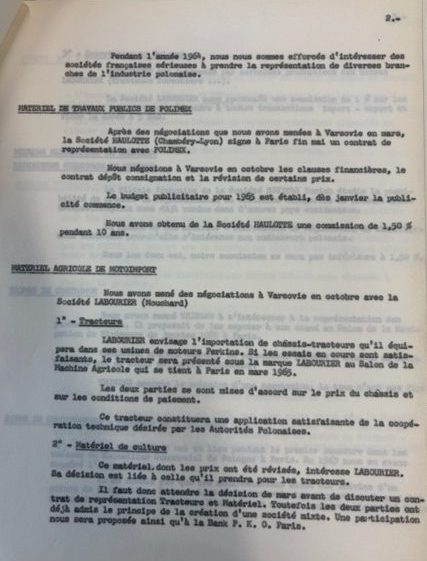
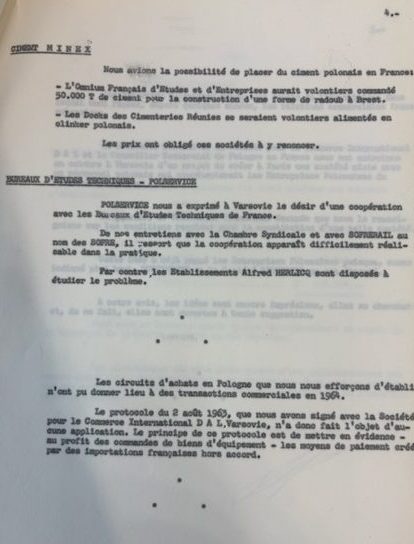
Poland provided another example: documents on Franco-Polish trading companies mentioned projects involving locomotives, bridges, industrial installations, agricultural equipment, and engineering offices. Behind these operations are engineers, sales representatives, technicians, and bankers — a whole professional world that maintains working relationships between the two blocs.
-
Franco-Polish Commercial Company, 1964 financial year
/
Franco-Polish Commercial Company, 1964 financial year
/ -
Franco-Polish Commercial Company, 1964 financial year
/
Franco-Polish Commercial Company, 1964 financial year
/ -
Franco-Polish Commercial Company, 1964 financial year
/
Franco-Polish Commercial Company, 1964 financial year
/
These contacts sustained continuity in a divided world, but they needed to be translated into concrete operations.
Credit : a key driver for sales
In these exchanges, financing was decisive. Competitiveness depends not only on product quality but also on financial terms: credit durations, payment deadlines, guarantees, credit insurance, and settlement methods.
Selling a factory or heavy equipment to the USSR or Eastern Europe often requires extended payment terms. Credit became an instrument of foreign trade and influence.
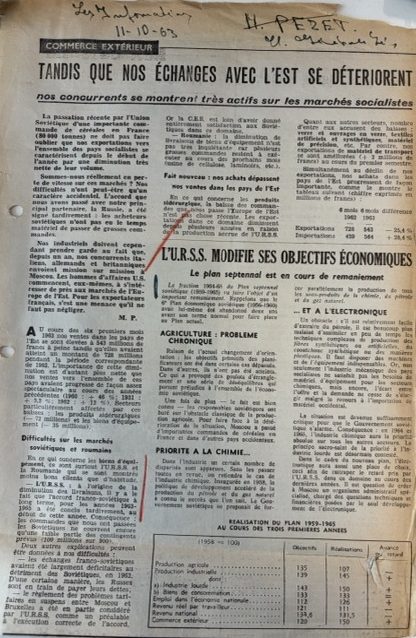
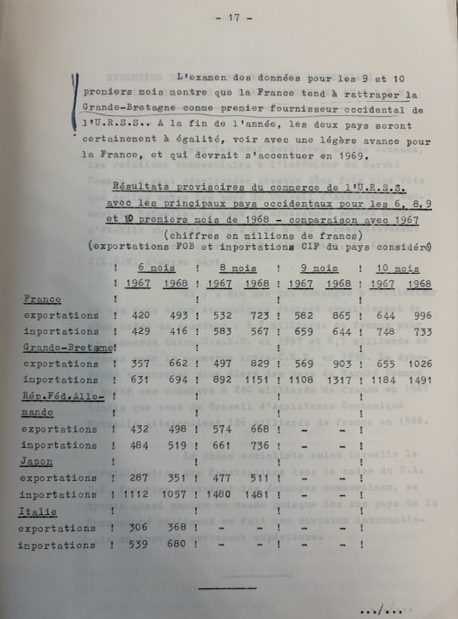
A May 1965 document on credits to Eastern countries compared French practices with those of Germany, the UK, Italy, and the Netherlands. This comparison showed that competition existed not only between East and West but also among Western partners, each seeking to offer the most attractive conditions.
(Credits granted to Eastern countries by Western countries, BNP Paribas Historical Archives, 12AH546)
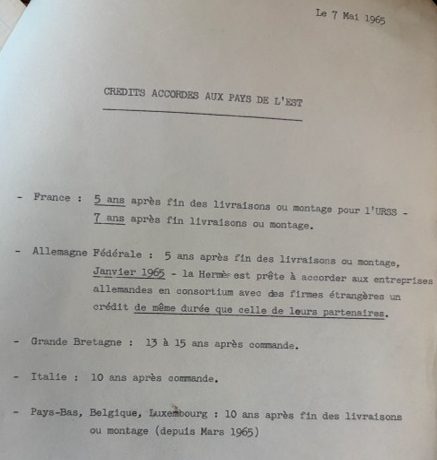
BNP Paribas’ predecessor banks played a central role by structuring loans, organizing payments, supporting companies, and assessing risks. They balanced multiple objectives: supporting exports, maintaining prudence, considering political contexts, and securing repayment.
Guaranteeing operations in an uncertain world
Financing an operation with an Eastern country involved more than lending money. Banks had to ensure payments could be transferred, currencies would remain convertible, and political conditions would allow contract execution.
Investment guarantee files highlighted concerns like transfer risk, exchange risk, and foreign investment coverage. Banking prudence expanded beyond individual clients or projects to include countries, currencies, and diplomatic frameworks.
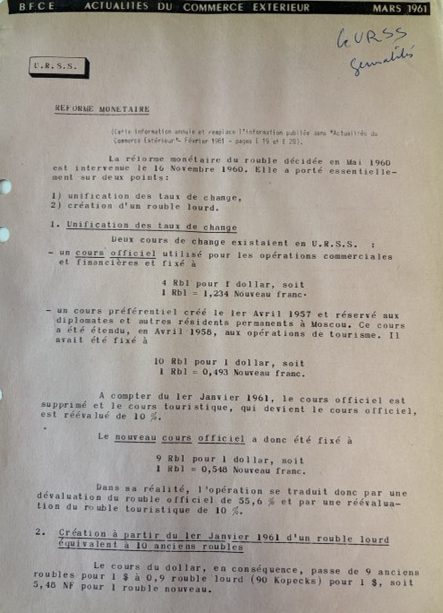
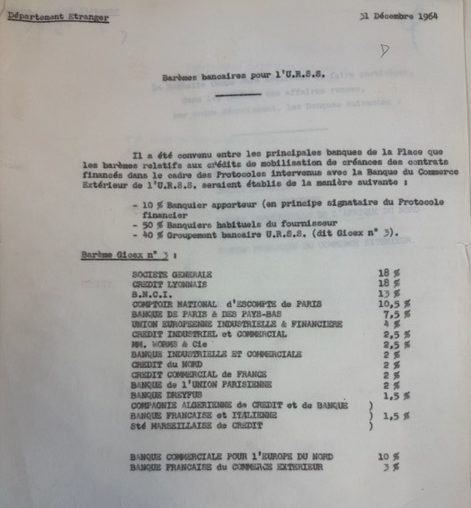
Archives show the analytical work of BNP Paribas forerunner banks, with East-West exchanges documented through notes, tables, statistics, and reports. These were not mere administrative records but tools to understand markets, measure risks, and inform decisions.
A March 12, 1963, report analyzed the USSR, Poland, East Germany, Yugoslavia, and China based on their specific characteristics.
This approach showed the Eastern Bloc was not uniform—each country, sector, and operation required distinct analysis.
-
Report on agreements with Eastern countries, 1963
/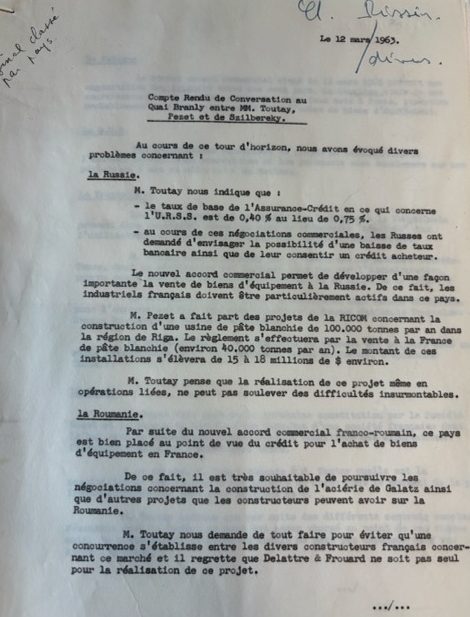
Report on agreements with Eastern countries, 1963
/ -
Report on agreements with Eastern countries, 1963
/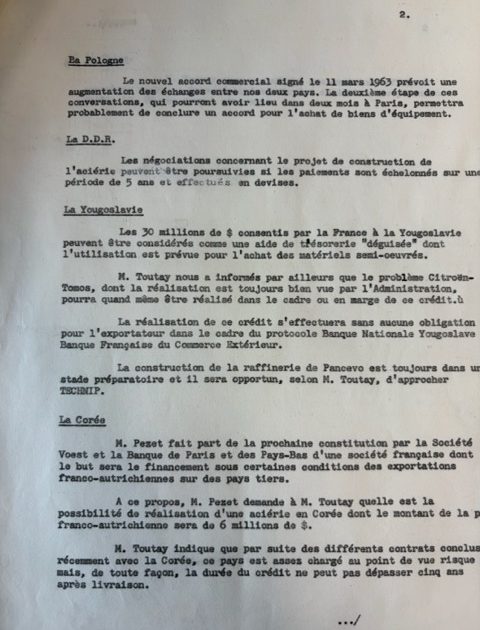
Report on agreements with Eastern countries, 1963
/ -
Report on agreements with Eastern countries, 1963
/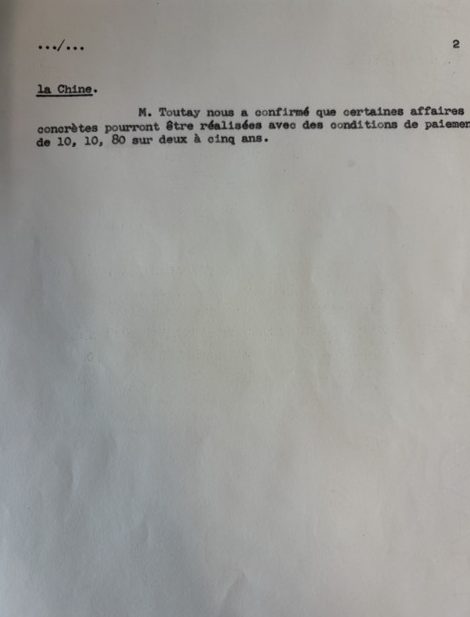
Report on agreements with Eastern countries, 1963
/
In an uncertain world, information became strategic. Banks and companies needed to understand industrial needs, credit conditions, regulatory frameworks, and political balances to act prudently.
BNP Paribas predecessor banks became key players in securing operations, financing, guaranteeing, informing, and supporting—though they did not single-handedly determine commercial policy.
Continuity under constraint
From a banking perspective, the Cold War was less an absolute rupture than a regime of controlled circulation. Political tensions did not eliminate exchanges but transformed their conditions.
These interactions showed the East-West divide was never total. It created a world of monitored exchanges where relationships persisted when negotiated, structured, and secured.
This constrained continuity foreshadowed later developments: major contracts, commercial détente, and the gradual intensification of East-West economic relations.
Aller plus loin
- BADEL Laurence, Diplomatie et grands contrats, 2020.
- KOTT Sandrine, Organiser le monde : une autre histoire de la guerre froide, 2021.
- REY Marie-Pierre, La détente franco-soviétique et les relations économiques et financières, 1993.
- VINOGRADOV B., Les entreprises françaises en Union soviétique, Histoire, économie & société, 2023.


Did you enjoy this story ?
This selection of articles might also interest you!