The Remarkable Story of the Cetelem Mascot
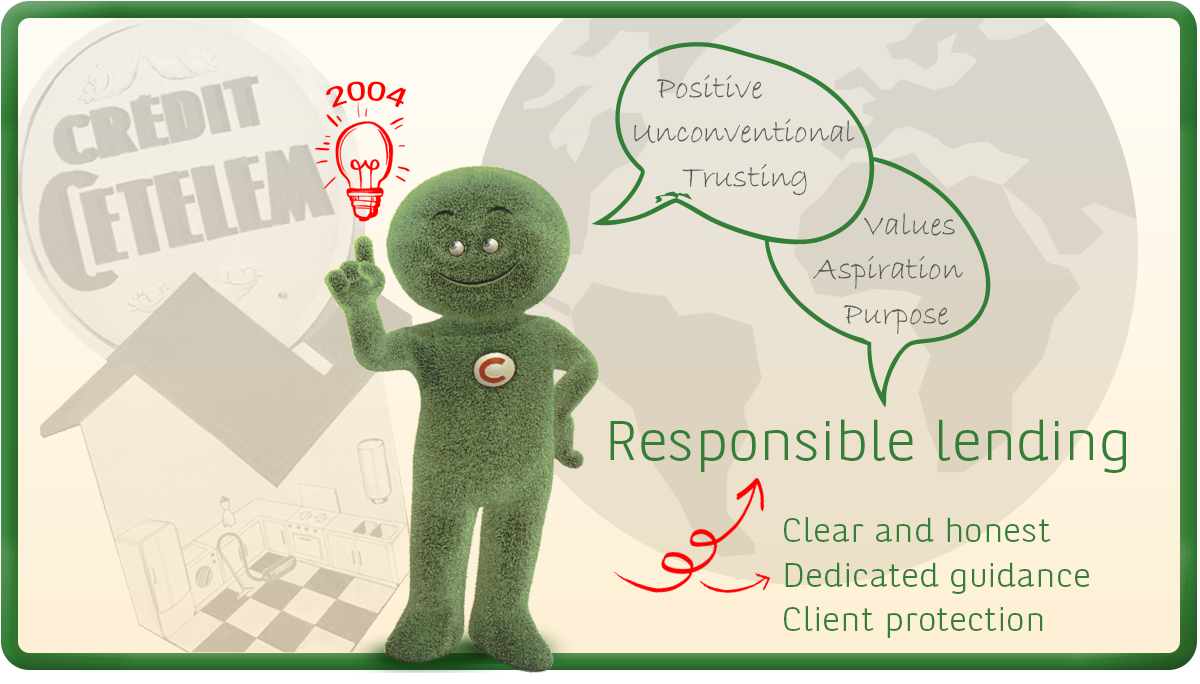
Since 2004, the Cetelem mascot has captured the public’s affection by embodying the values of responsible lending. A symbol of a pioneering approach in the financial sector, it has become far more than just a character: a recognizable icon for 94% of French people, a reassuring landmark for customers, and a source of pride for BNP Paribas Personal Finance employees. Here’s a look back at the history of this round, green figure, now the ambassador of a brand with worldwide reach.
A Mascot to Embody Responsible Lending
After World War II, France was rebuilding. Initially, public authorities restricted consumer credit, favoring savings to finance reconstruction and major industrial projects. Yet, after years of deprivation, French households aspired to acquire household appliances, furniture, and cars. It was in this context that Compagnie pour le financement des équipements électroménagers (Cetelem) was founded in 1953 by Jacques de Fouchier, introducing France’s first consumer credit solution.
Over half a century, Cetelem established itself as a key player in the sector. But by the late 1970s, economic challenges intensified: rising unemployment and household over-indebtedness risks called for stricter regulation. Cetelem anticipated these issues by laying the groundwork for a new approach: responsible lending. To embody its core values—transparency, customer support, and protection—one key element was missing: a face, a strong visual identity capable of creating an emotional connection with the public.


Thus, in 2004, the idea of a mascot was born.
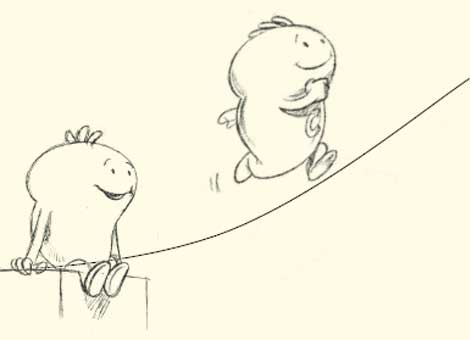
Before becoming the beloved character we know today, several concepts were explored and tested with the public.
The design brief required the mascot to be:
- Neutral: ageless and genderless for universal appeal.
- Green, echoing BNP Paribas Personal Finance’s brand identity (of which Cetelem is a subsidiary).
- Simple: a clean, memorable design adaptable across all media.
-
Over 250 unique characters are brought to life
/
Over 250 unique characters are brought to life
/ -
Every one has a unique style!
/
Every one has a unique style!
/ -
Sometimes childlike
/
Sometimes childlike
/ -
Sometimes minimalist
/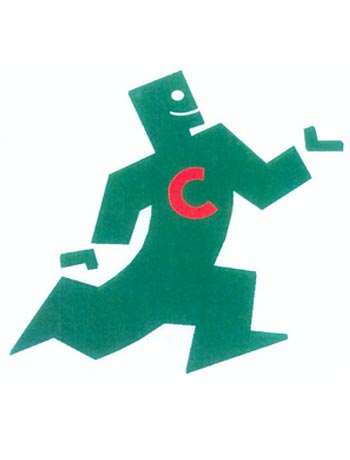
Sometimes minimalist
/ -
Multiple versions were put to the test
/
Multiple versions were put to the test
/ -
Across the workforce
/
Across the workforce
/ -
As well as with customers
/
As well as with customers
/ -
The first selection emerges
/
The first selection emerges
/ -
Two approaches are subsequently discussed
/
Two approaches are subsequently discussed
/ -
First choice
/
First choice
/ -
Second choice
/
Second choice
/ -
The final silhouette is selected
/
The final silhouette is selected
/ -
The red ‘C’ finds its place
/
The red ‘C’ finds its place
/ -
And meet the final mascot!
/
And meet the final mascot!
/
After months of development, a round, kind, and dynamic silhouette emerged—a character with unique expressiveness, capable of conveying empathy and professionalism in an instant.

On August 23, 2004, the mascot made its debut in a TV campaign: “Giving You Confidence in Credit.“
Three ads showcased its role as a trusted guide, breaking from industry norms by emphasizing that Cetelem could also say “no” in the best interest of its customers.
By 2006, the mascot crossed French borders to become the ambassador of BNP Paribas Personal Finance in over 20 countries, including Spain, Italy, and Belgium.
The Rise of an Icon
Just years after its creation, the Cetelem mascot became a staple of advertising campaigns.
Partnering with agency TBWA\Paris, it starred in the bold series “The Unmatchables.” With a humorous, offbeat tone, these ads featured colorful, eccentric characters trying (and failing) to imitate the mascot. The message was clear and impactful: “Looking like Cetelem isn’t enough to be Cetelem.”
This campaign marked a turning point: the mascot was so iconic that it could be referenced without even appearing.

Beyond advertising, the mascot became omnipresent in daily life:

- Among partners: its image united an entire ecosystem, from retailers to automotive professionals.
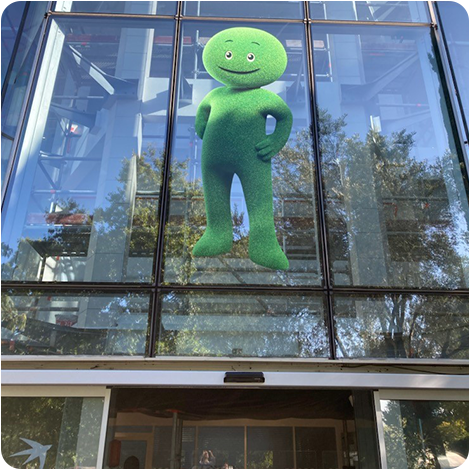
- In retail spaces: appliance stores, car dealerships, and bank branches—always visible and reassuring, guiding customers in their projects.
- Online and on social media: adapting to digital trends, it became a familiar landmark for users.
Its ubiquity paid off: in 2010, an OpinionWay survey revealed a record 94% recognition rate among the French public.
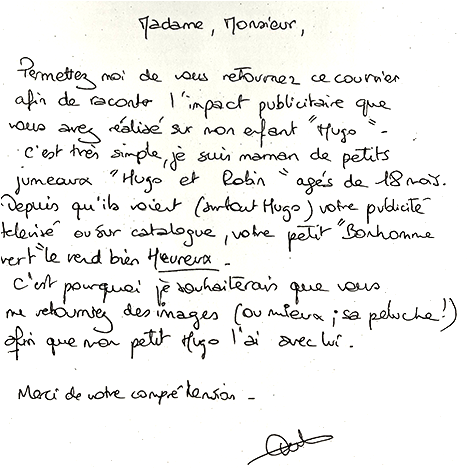
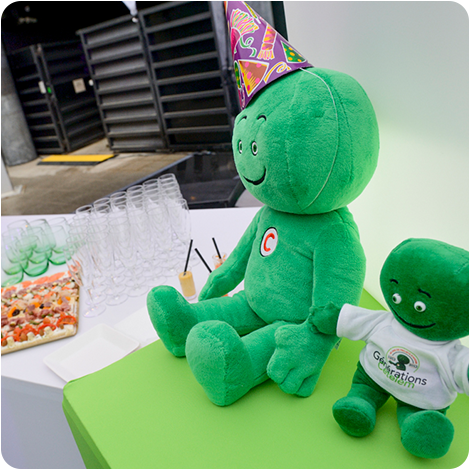
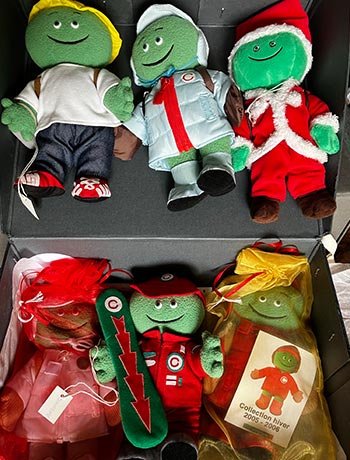
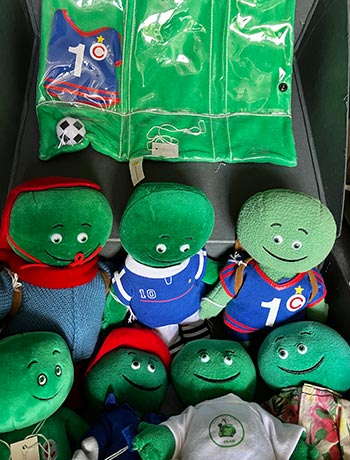
Its success was such that Cetelem’s customer service was flooded with requests for plush toys and keychains featuring the mascot.
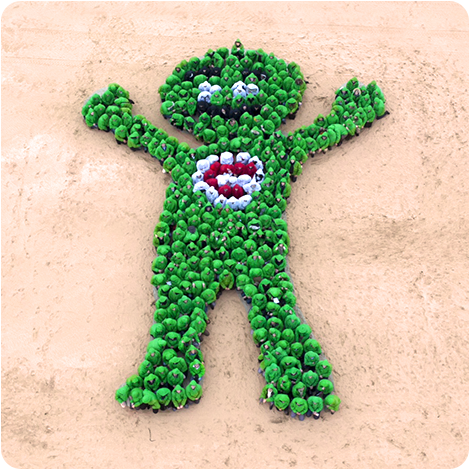
Internally, its influence was just as strong. Across BNP Paribas Personal Finance offices and workspaces, it was everywhere:
- As a symbol of pride for employees.
- At internal events.
- In work tools: training materials, email signatures, and collaborative space decor.
A Graphic Modernization
In 2018, the mascot evolved with the times. With the removal of the “C” from its design, it reaffirmed its versatile, international dimension, representing all geographies and activities.
Spot the 5 Differences game: Can you identify the visual changes in the mascot over time?


The Mascot Joins BNP Paribas’ Historical Archives
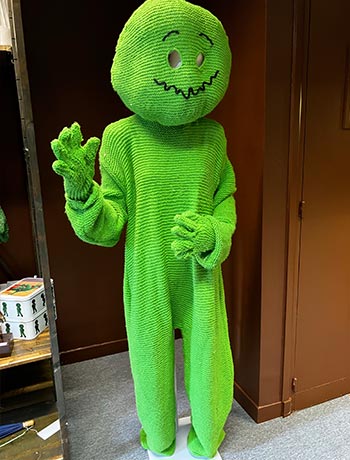
In 2025, the BNP Paribas Historical Archives Conservation Center in Dinan received an unusual yet symbolic donation: 11 costumes created for Cetelem’s advertising campaigns. These unique pieces, testaments to the brand’s creative boldness and humor, offer a journey through its most memorable campaigns. They now enrich the center’s visitable collections.
Among these treasures are:
- The knitted hat (2010-2011), a signature accessory from the mascot’s early quirky appearances.
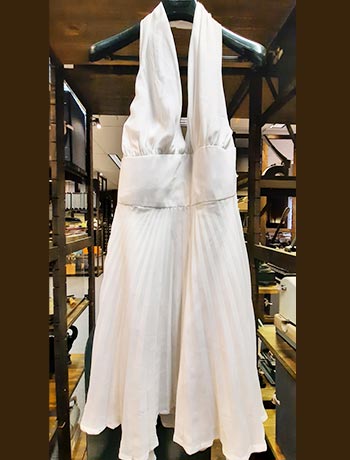
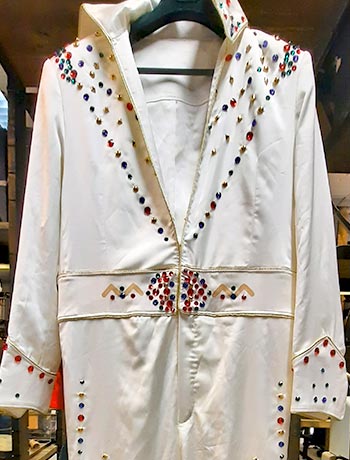
- Costumes from “The Unmatchables” campaign, including Marilyn Monroe and Elvis Presley impersonators (2010 onward), humorously reinforcing Cetelem’s uniqueness.
- The Post-it Man (2010-2019), a recurring figure in ads, symbolizing creativity and lightheartedness.
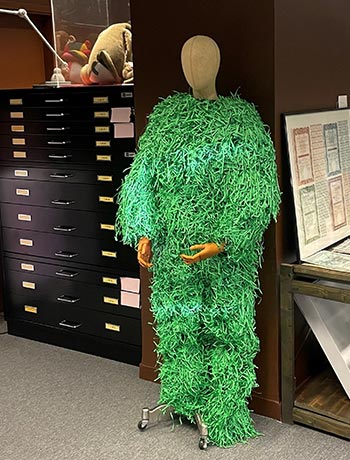
- Eccentric plant-based costumes: the Lawn Man, Boxwood Man, Palm Tree Man, Bush Man, and Paper Man (circa 2019-2020).
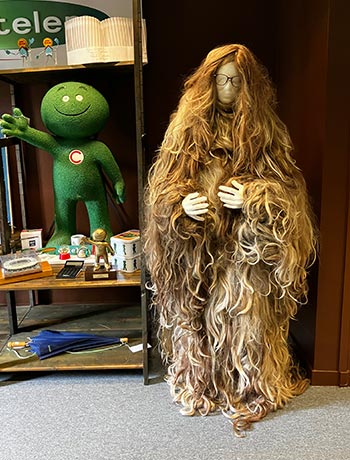
- The Post-Climate Change Man (2023), a committed creation reflecting contemporary challenges.
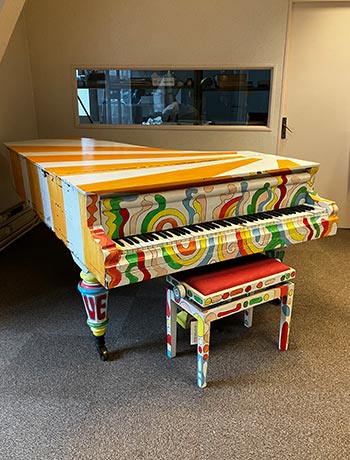
This exceptional donation was complemented in the summer of 2025 by an emotionally charged object: the piano used in the very first 2005 ad featuring the mascot, marking the start of its adventure.
These archives—both playful and historic—attest to the cultural impact of the Cetelem mascot, a bold and creative chapter in the brand’s history.

-
The advertising campaign costumes
The Knitted Man
/
The advertising campaign costumes
The Knitted Man
/ -
The advertising campaign costumes
Post-it Man
/
The advertising campaign costumes
Post-it Man
/ -
The advertising campaign costumes
Paper Man
/
The advertising campaign costumes
Paper Man
/ -
The advertising campaign costumes
Palm Tree Man
/
The advertising campaign costumes
Palm Tree Man
/ -
The advertising campaign costumes
Post-Climate Change Man
/
The advertising campaign costumes
Post-Climate Change Man
/ -
The advertising campaign costumes
The iconic Marilyn dress
/
The advertising campaign costumes
The iconic Marilyn dress
/ -
The advertising campaign costumes
And the Elvis outfit
/
The advertising campaign costumes
And the Elvis outfit
/ -
The Personal Finance-branded area
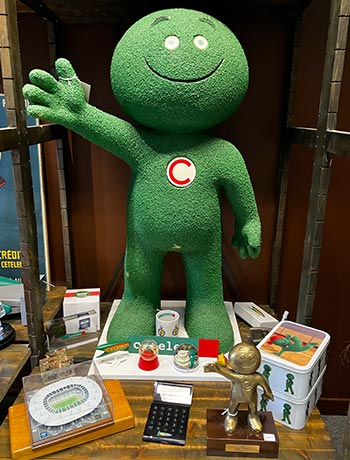
Featuring the mascot
/
The Personal Finance-branded area
Featuring the mascot
/ -
The Personal Finance-branded area
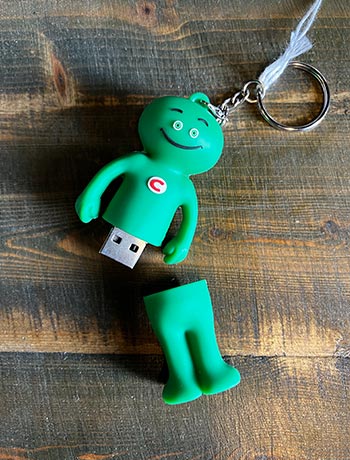
And a variety of branded gifts, including this USB drive
/
The Personal Finance-branded area
And a variety of branded gifts, including this USB drive
/ -
The Personal Finance-branded area
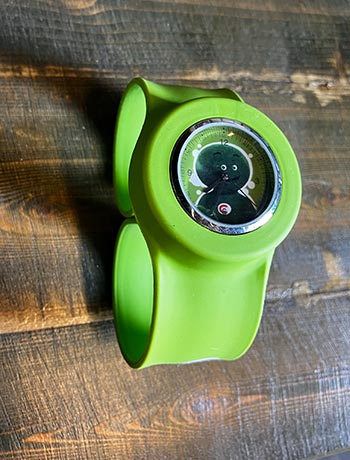
A watch
/
The Personal Finance-branded area
A watch
/ -
The Personal Finance-branded area
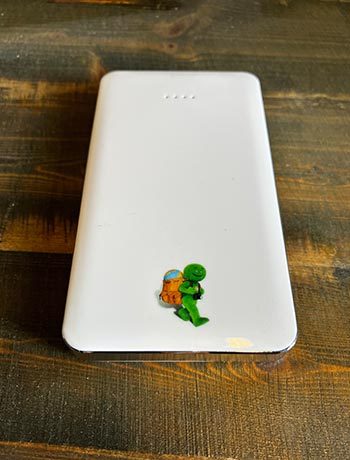
An external hard drive
/
The Personal Finance-branded area
An external hard drive
/ -
The Personal Finance-branded area
The BNP Paribas trophy from the 2010 Innovation Awards
/
The Personal Finance-branded area
The BNP Paribas trophy from the 2010 Innovation Awards
/ -
The Personal Finance-branded area
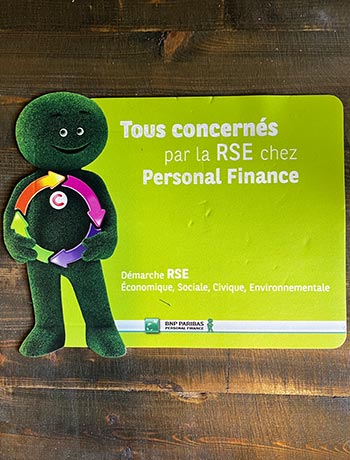
A mouse pad
/
The Personal Finance-branded area
A mouse pad
/ -
The Personal Finance-branded area
The piano featured in our first-ever advertisement
/
The Personal Finance-branded area
The piano featured in our first-ever advertisement
/ -
The Personal Finance-branded area
And the iconic plush toys of our mascot
/
The Personal Finance-branded area
And the iconic plush toys of our mascot
/ -
The Personal Finance-branded area
Complete with their accessories
/
The Personal Finance-branded area
Complete with their accessories
/


Did you enjoy this story ?
This selection of articles might also interest you!